Kidney stones, often considered an issue for older adults, are becoming increasingly common among young
people. While they may seem like a rare concern for younger individuals, kidney stones are affecting a
growing number of young adults each year.
If you’ve ever wondered whether your lifestyle habits could put you at risk, this blog will break down
the key causes, prevention strategies, and steps you can take to protect your kidney health. By making a
few simple adjustments, you can reduce your chances of developing kidney stones. Consulting a Urologist in Mumbai can provide further insights into kidney
stone prevention and treatment.
What Are Kidney Stones and Why Should You Care?
Kidney stones are hard deposits made of minerals and salts that form inside your kidneys. They
can range from small, sand-like particles to large stones that obstruct the urinary tract. The
most common type of kidney stone is made of calcium oxalate, but they can also be formed from
other substances like uric acid or struvite.
While kidney stones can affect people of all ages, the frequency of diagnosis in young adults is
on the rise. This makes it crucial for younger individuals, especially those between the ages of
18 and 40, to understand the risks and adopt preventive measures. Seeking guidance from a Urology
specialist can provide valuable insights into maintaining kidney health.
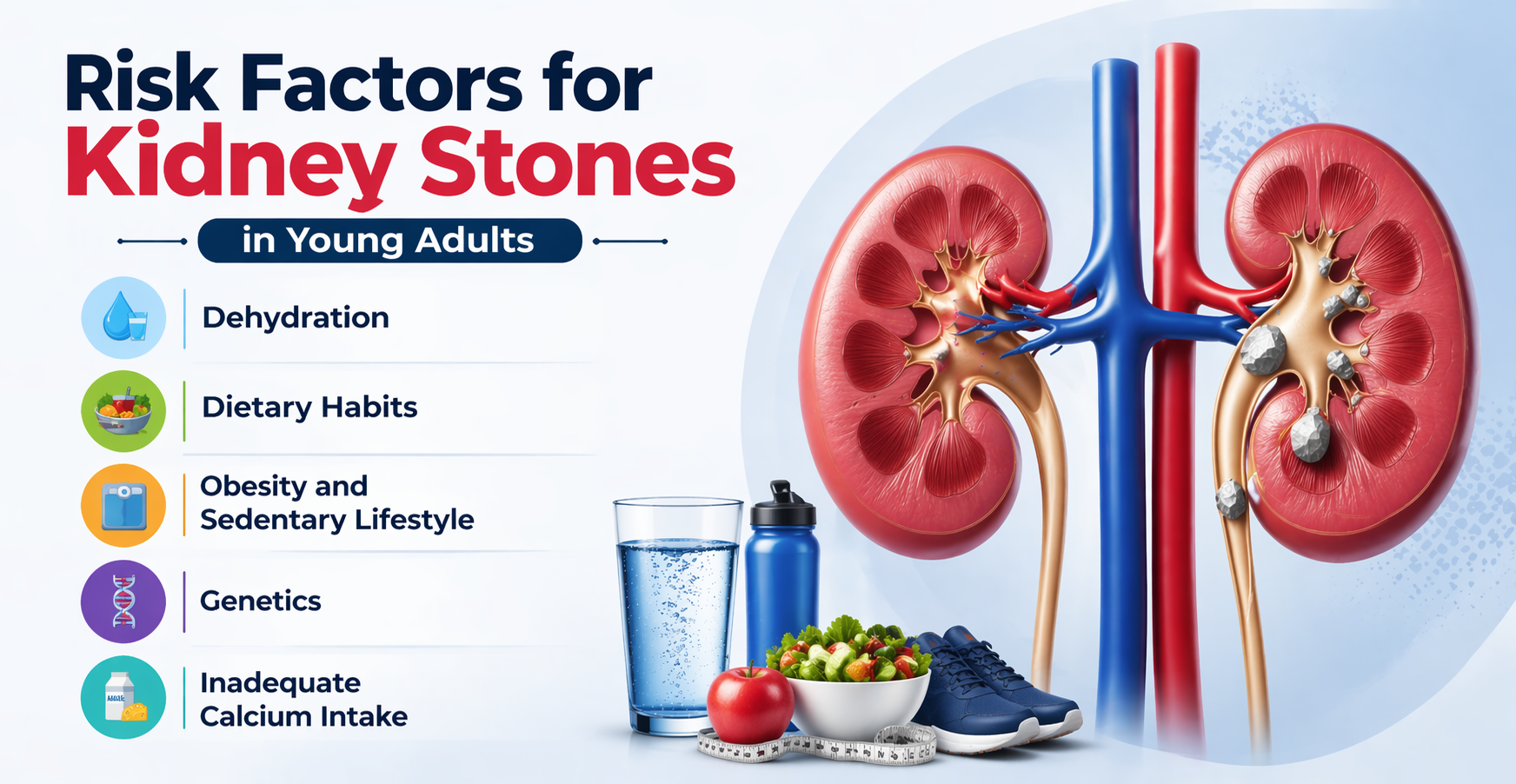
Risk Factors for Kidney Stones in Young Adults
Many factors contribute to the formation of kidney stones, especially in young adults.
Let’s dive into some of the most common causes:
Dehydration:
One of the biggest contributors to kidney stones is dehydration. When you don’t drink
enough water, your urine becomes concentrated, making it easier for minerals and salts
to form into crystals.
Dietary Habits:
Your diet plays a significant role in the development of kidney stones. A high-salt
diet, excessive animal protein, and foods rich in oxalates (like spinach, chocolate, and
nuts) can increase the likelihood of stone formation.
Obesity and Sedentary Lifestyle:
Being overweight or obese increases the levels of certain substances in your urine, such
as calcium and oxalate, which contribute to kidney stones. Additionally, a lack of
exercise can exacerbate these issues, leading to poor kidney function.
Genetics:
Family history is another factor that contributes to kidney stone formation. If a close
family member has had kidney stones, your risk increases. Certain genetic conditions,
such as cystinuria, can also make you more susceptible.
Inadequate Calcium Intake:
It may seem counterintuitive, but not getting enough calcium can actually increase the
likelihood of kidney stones. Calcium binds with oxalates in your digestive system,
preventing them from being absorbed into your bloodstream.
How to Prevent Kidney Stones: Simple Lifestyle Changes
Preventing kidney stones often involves simple yet effective lifestyle adjustments.
- Stay Hydrated: The most effective way to prevent kidney stones is to drink
plenty of water. Aim for 8-10 glasses daily. Staying well-hydrated ensures your urine
remains dilute.
- Eat a Balanced Diet: Focus on eating fruits, vegetables, whole grains, and
low-fat dairy products. Limit your intake of high-oxalate foods, processed foods, and high
animal proteins.
- Exercise Regularly: Physical activity helps prevent obesity, improves
kidney function, and reduces the risk of kidney stones. Aim for 30 minutes of activity most
days.
- Limit Sugary Drinks: Sugary beverages, especially soda, can contribute to
kidney stone formation by promoting dehydration and increasing sugar intake.
- Reduce Salt Intake: High sodium levels can cause calcium to be excreted in
your urine, increasing the risk of stones. Opt for fresh foods and season with herbs instead
of salt.
When to Consult a Specialist
If you’re experiencing symptoms like severe back or abdominal pain, blood in your urine, or
frequent urination, it’s essential to consult a healthcare provider. Delaying treatment could
result in complications, including kidney damage. Kidney stones that cause blockages or
infections may require more intensive medical treatment, such as shock wave lithotripsy or
surgical removal.
Bombay Hospital, one of Mumbai's most trusted healthcare
institutions, specializes in a
wide
range of medical services, including nephrology and urology,
with
a dedicated team of
specialists ready to assist you. Whether you’re seeking treatment for kidney stones or just
looking for preventative care, the hospital’s world-class facilities and expert doctors are here
to guide you.
FAQs About Kidney Stones
Symptoms include severe pain in the side or lower back, blood in the urine, frequent
urination, and nausea. If you experience any of these symptoms, seek medical attention
immediately.
Yes, staying hydrated is crucial, but other factors like diet, obesity, and genetic
predisposition can also contribute to stone formation. Drinking water alone may not be
enough if other lifestyle habits aren’t healthy.
Yes, kidney stones can cause severe pain, especially when they move through the urinary
tract. The pain can be sharp and sudden, often described as one of the worst types of
pain.
High-oxalate foods like spinach, chocolate, and nuts, as well as high-sodium foods,
should be limited. A diet rich in fruits, vegetables, and low-fat dairy can help prevent
stones.
Regular physical activity helps maintain a healthy weight, improves kidney function, and
reduces the risk of kidney stone formation by promoting good circulation and hydration.
Conclusion
Kidney stones are a common yet preventable health issue for young adults. By staying hydrated,
eating a balanced diet, exercising regularly, and making small changes in your daily habits, you can
significantly reduce your risk.
If you suspect you have kidney stones or want to take preventive measures, consult with a healthcare
provider to ensure your kidneys stay healthy. Prioritize your kidney health now to avoid future
complications.