Angioplasty at Bombay Hospital

Coronary angioplasty, also known as percutaneous coronary intervention (PCI), is a minimally invasive procedure used to open narrowed or blocked coronary arteries and improve blood flow to the heart. At Bombay Hospital in Mumbai, our interventional cardiology team evaluates patients with coronary artery disease, persistent chest pain (angina), and certain types of heart attacks to determine whether angioplasty is an appropriate treatment. The decision depends on the severity and location of the blockage, symptoms, and overall heart health.
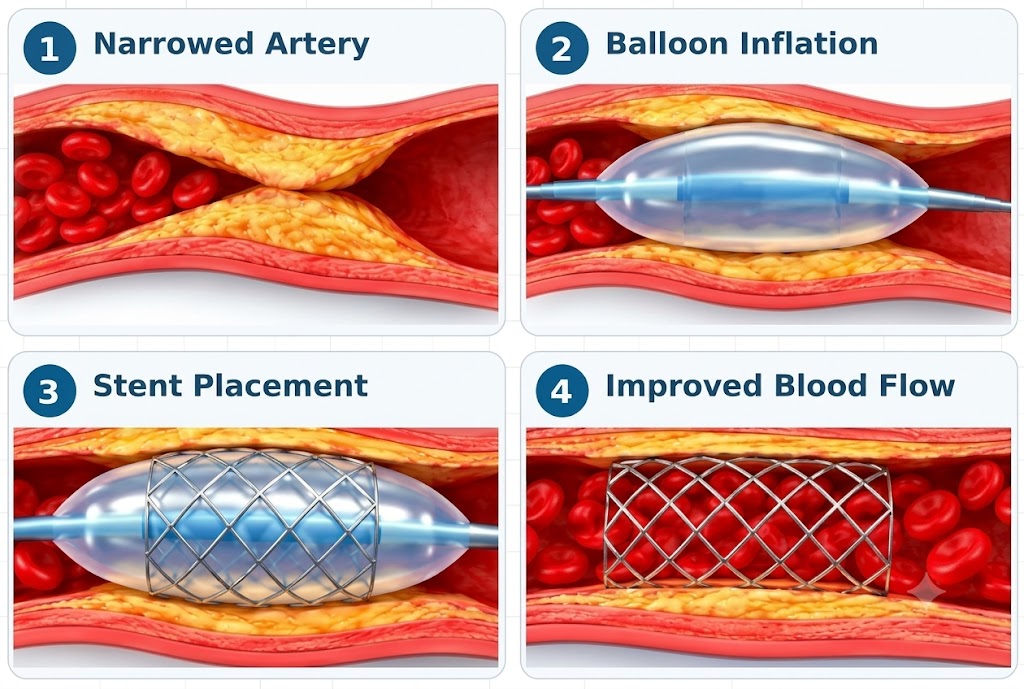
Coronary angioplasty procedure showing balloon and stent placement to open blocked heart arteries in Mumbai

Coronary angioplasty is a catheter-based procedure that helps restore blood flow through narrowed or blocked coronary arteries. During the procedure, a cardiologist guides a thin catheter through a blood vessel, usually in the wrist or groin, to reach the affected artery. A small balloon is inflated to widen the narrowed area, and a stent is commonly placed to help keep the artery open.
Angioplasty does not require open-heart surgery. It may help relieve angina symptoms and can be lifesaving when performed promptly for certain types of heart attack. However, not every coronary artery blockage requires angioplasty. Treatment is selected according to the patient's clinical condition and coronary artery findings.

  • Preparation: Your heart team conducts tests such as an ECG, blood tests, and a coronary angiogram to assess the location and severity of the blockage.
  • Procedure: A small incision is made in your wrist or groin. A catheter is inserted to reach the blocked artery. A balloon is inflated to open the blockage. A stent is placed to support the artery and maintain blood flow. Many patients choose our centre because we are known as a trusted angioplasty surgery hospital in Mumbai.
  • Recovery: After the procedure, you are monitored in the ICU for stability. Most patients are shifted to a regular room soon after. Many are discharged within 1–2 days with clear post-procedure instructions. Recovery after angioplasty varies depending on whether the procedure was planned or performed during a heart attack, the access site used, and the patient's overall condition. Some patients return home the same day or the following day after uncomplicated elective angioplasty, while others require longer monitoring. Patients should follow medical advice regarding physical activity, wound care, cardiac rehabilitation, and prescribed medicines. Antiplatelet medicines must not be stopped without consulting the treating cardiologist.

  • Our cardiac team provides instructions on diet, medications, and activity levels.
  • Follow-up appointments are scheduled to monitor stent health and heart function.
  • Regular check-ups help detect any concerns early and support long-term recovery.

  • Improved Blood Flow: Opens narrowed coronary arteries and improves blood supply to the heart muscle.
  • Relief from Angina: May reduce chest pain and improve exercise tolerance in patients with coronary artery disease.
  • Less Invasive: Angioplasty avoids the need for open-heart surgery and uses a small puncture site.
  • Faster Recovery: Patients experience quicker healing and minimal discomfort following the procedure.
  • Emergency Heart Attack Treatment: Primary angioplasty can restore blood flow rapidly during certain heart attacks, helping limit heart muscle damage when performed promptly. Our outcomes make us one of the top 5 angioplasty hospitals in Mumbai for long-term cardiac results.

Factor Angioplasty Bypass surgery (CABG)
Approach Catheter-based Open or minimally invasive surgery
Hospital stay Usually shorter Usually longer
Recovery Often faster Generally takes longer
Best suited for Selected coronary artery blockages Often preferred for certain complex or extensive disease
Repeat treatment May be needed May also be needed over time

Angioplasty is not automatically better than bypass surgery. The most appropriate treatment depends on coronary anatomy, disease complexity, diabetes status, heart function, other medical conditions, and the assessment of the treating heart team.

  • Individuals with coronary artery blockages diagnosed through angiography.
  • Patients experiencing chest pain, breathlessness, or heart attack symptoms.
  • People with reduced blood flow to the heart muscle.
  • Individuals who are advised angioplasty based on medical evaluation. Many patients consult our experienced team when searching for an experienced angioplasty surgeon in Mumbai for treatment guidance.

The cost of coronary angioplasty in Mumbai depends on the complexity of the artery blockage, the number and type of stents required, diagnostic tests, hospital stay, and additional treatment needs.
At Bombay Hospital, coronary angioplasty charges are calculated according to the actual treatment provided. Patients can contact the hospital billing team for an estimate based on their clinical requirements and applicable hospital charges.
For more information, visit the Bombay Hospital billing information page.

Advanced Technology

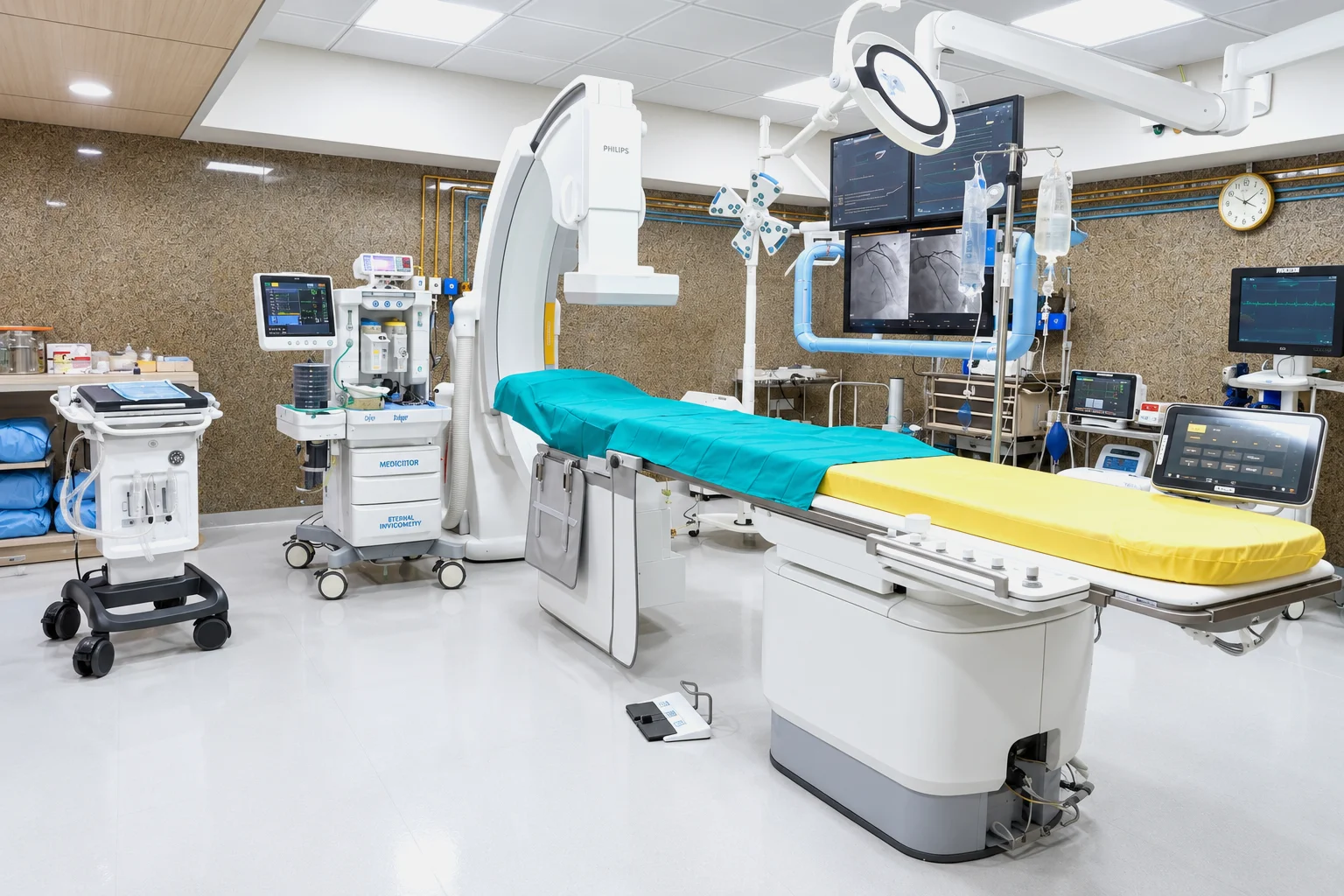
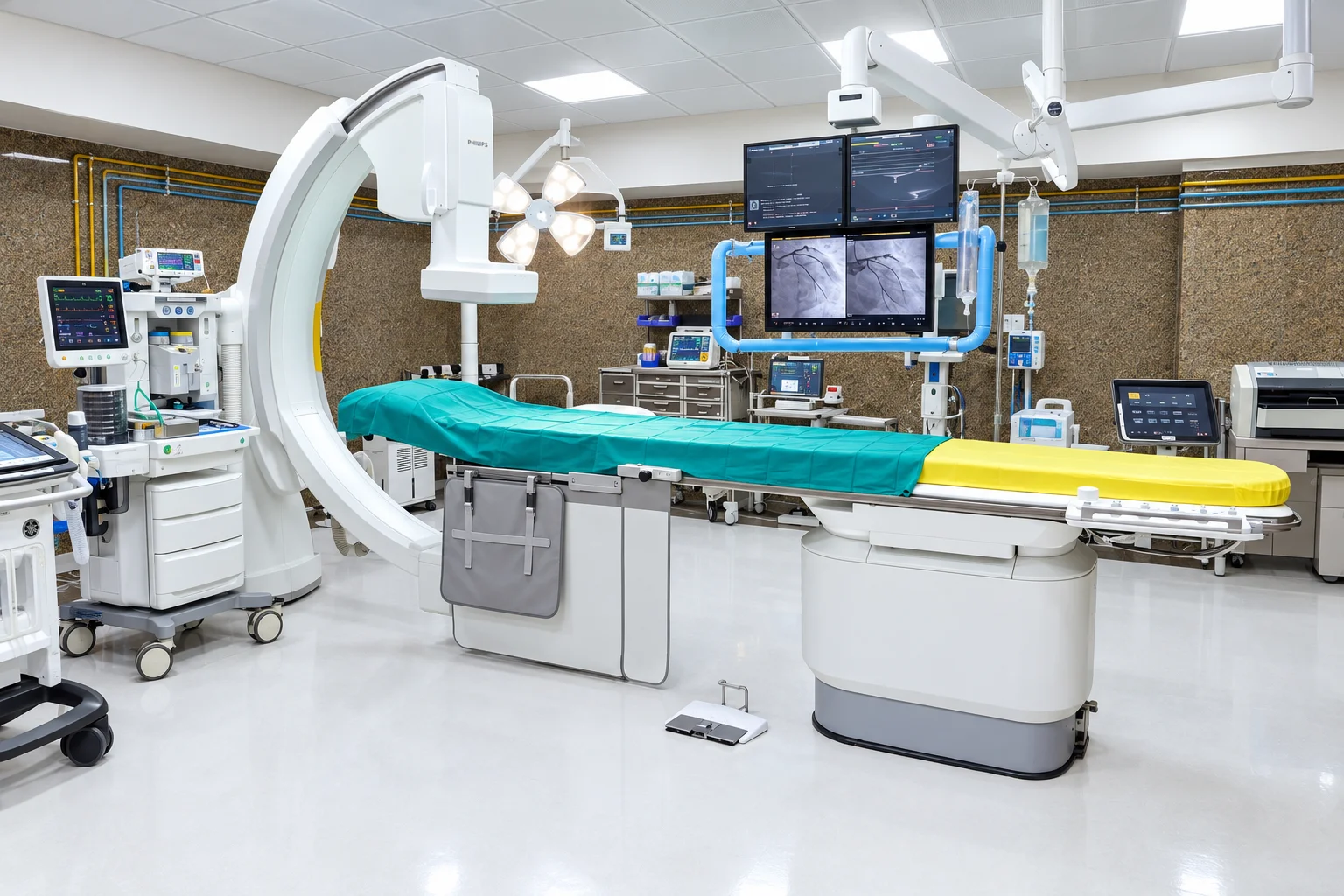
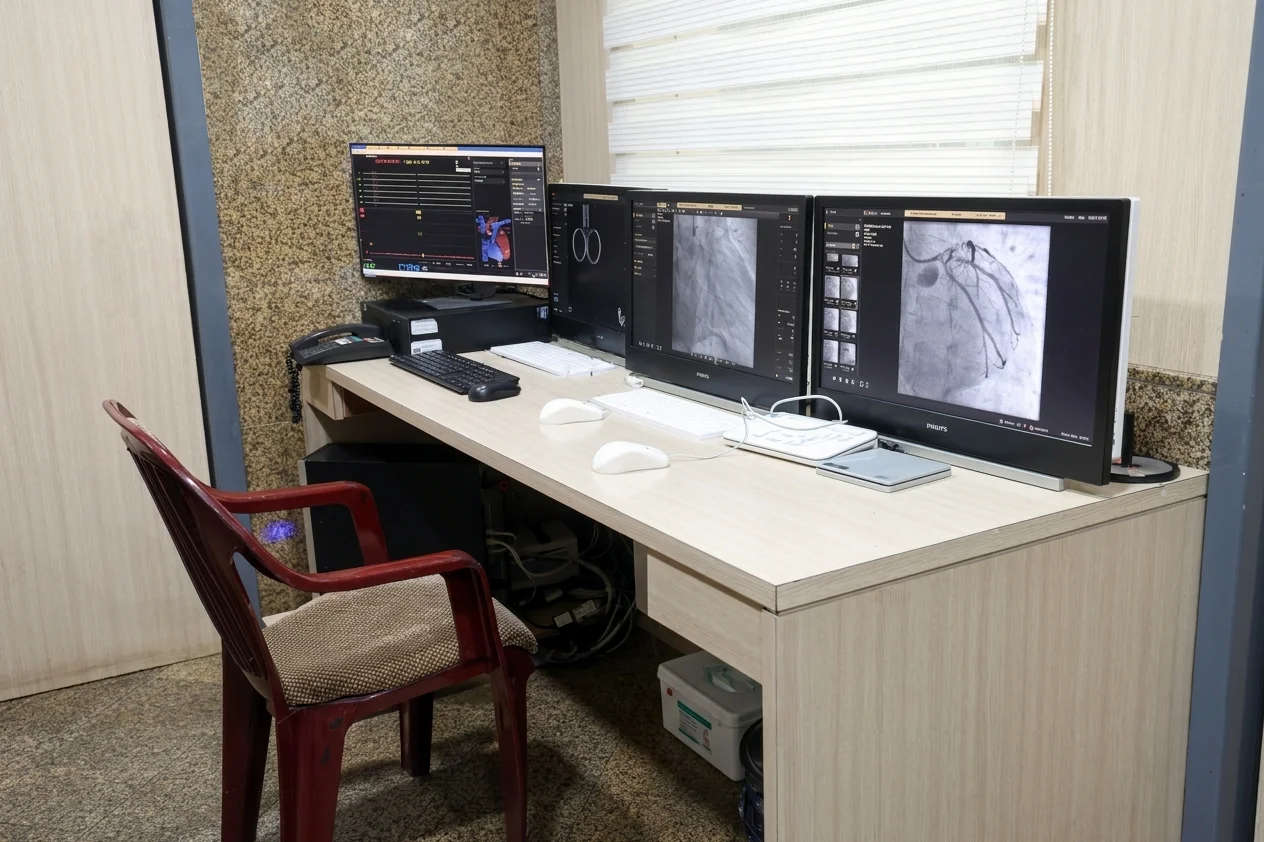
Bombay Hospital in Mumbai offers advanced cardiac imaging and interventional facilities to support accurate diagnosis and precise coronary angioplasty procedures. Our experienced cardiology team uses modern techniques to assess coronary artery blockages, guide treatment decisions, and provide personalized cardiac care.

Experienced Interventional Cardiologists

The hospital's cardiology department includes specialists who evaluate coronary artery disease and provide treatment recommendations based on individual patient needs.

Minimally Invasive Approach

Angioplasty is performed through a small entry point. Patients experience less pain and quicker return to activity.

Quicker Recovery

Most patients recover in a short time due to the minimally invasive nature of the procedure. Our success rate makes us known for delivering dependable and advanced angioplasty surgery in Mumbai.

If you're dealing with chest pain, artery blockage, or symptoms related to coronary artery disease, our interventional cardiology team at Bombay Hospital is here to provide dedicated, expert care.
Contact us today to schedule your consultation for Angioplasty and take a step toward better heart health.

Frequently Asked Questions about Angioplasty Procedure in Mumbai at Bombay Hospital

Angioplasty opens narrowed arteries quickly and restores blood flow to the heart.
The procedure usually takes 30 minutes to 1 hour, depending on the severity of the blockage.
Patients with coronary artery blockages confirmed through angiography.
Yes, our interventional team is available 24×7 to treat emergency cardiac conditions.
Yes, modern stents are designed to support the artery long-term and prevent re-narrowing.
Coronary angiography is a diagnostic test that uses contrast dye and X-ray imaging to identify narrowing or blockages in coronary arteries. Angioplasty is a treatment procedure that uses a catheter and balloon, often with a stent, to improve blood flow through a narrowed artery.

List of Consultants

Satyavan Sharma

Dr. Satyavan Sharma

MD, D.M (Cardiology), MNAMS

Cardiologist

Anil Sharma

Dr. Anil Sharma

MD, DM (Card.), FACC (USA)

Cardiologist

Nagesh Waghmare

Dr. Nagesh Waghmare

Dm - Cardiology, Dnb - General Medicine, Associate Fesc Interventional Cardiologist

Cardiologist
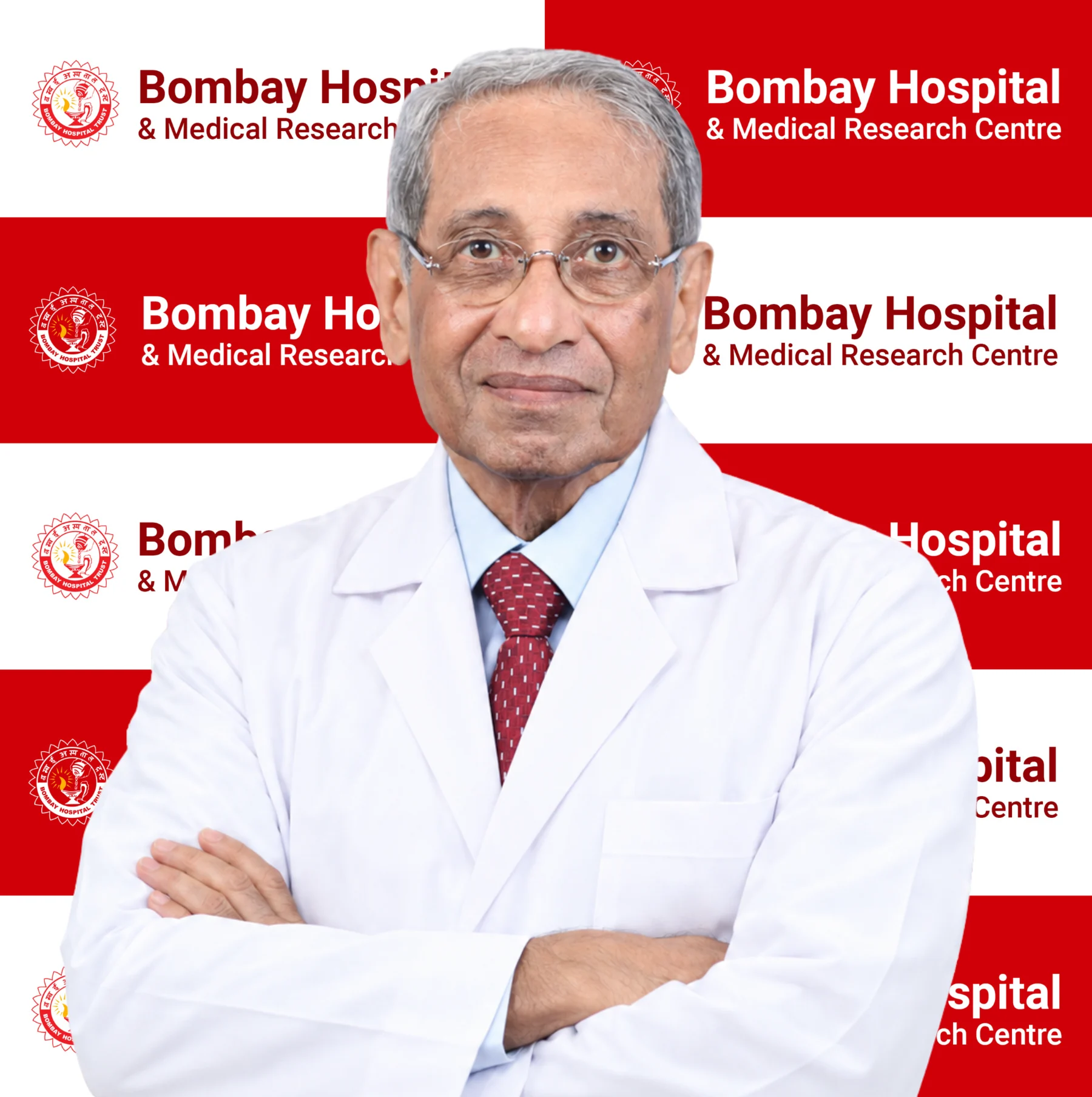
A.C. Pereira

Dr. A.C. Pereira

MBBS, MD - General Medicine, DM - Cardiology

Cardiologist

E.D. Borges

Dr. E.D. Borges

MBBS, MD - General Medicine, DM - Cardiology

Cardiologist

K.H. Ayyer

Dr. K.H. Ayyer

M.D (Gen. Medicine), DM (Cardiology)

Cardiologist

B.C. Kalmath

Dr. B.C. Kalmath

MD - Medicine, DM - Cardiology Interventional Cardiologist

Cardiologist

Ramesh Kawar

Dr. Ramesh Kawar

MBBS, MD - General Medicine, DM - Cardiology

Cardiologist
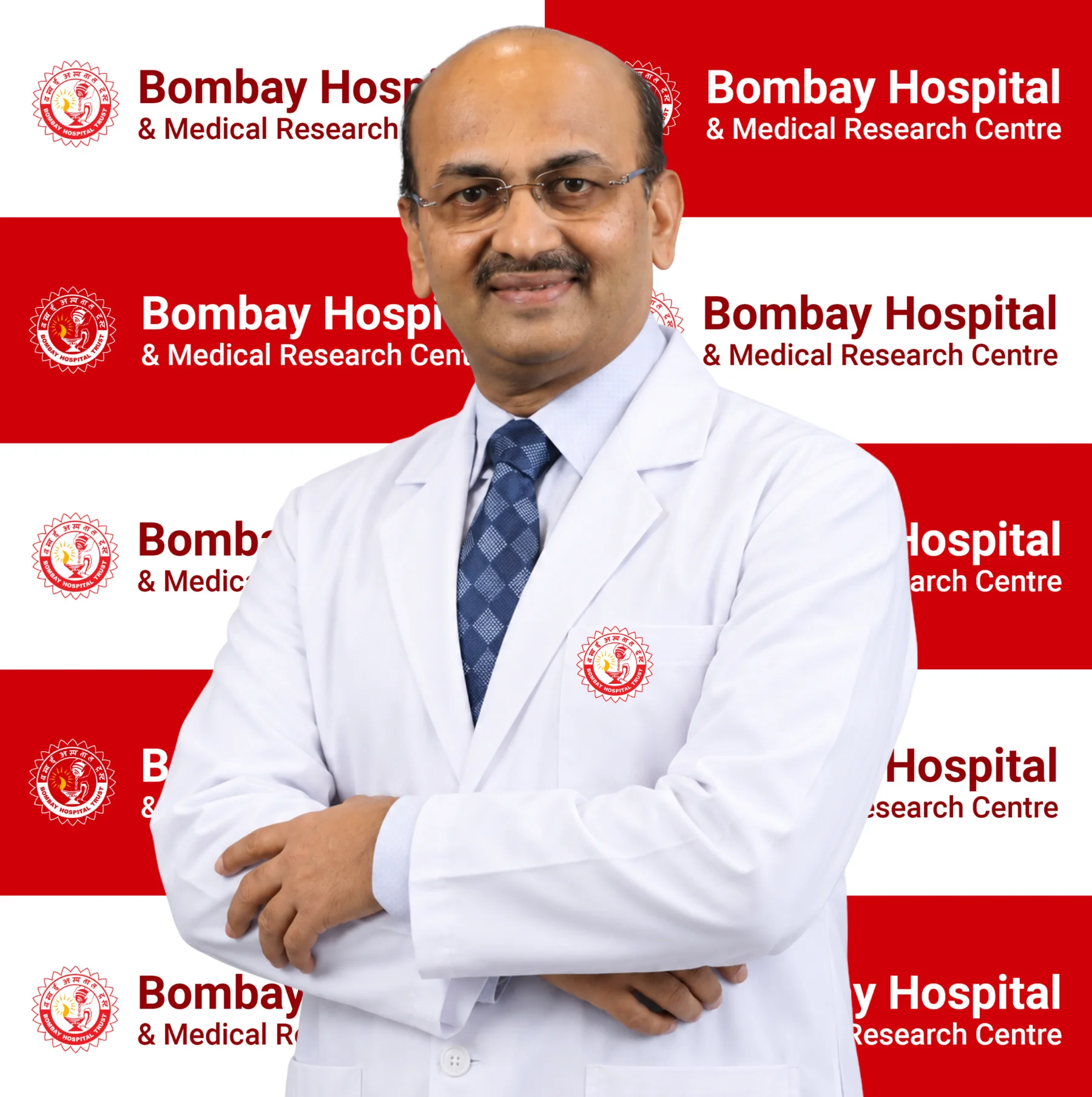
Anil Kumar

Dr. Anil Kumar

MBBS, DM (Cardiology)

Cardiologist

Ajay Chaurasia

Dr. Ajay Chaurasia

MBBS, MD, DM

Cardiologist

Book Appointment Book Appointment