Passing a kidney stone or having it removed does not mean another stone cannot form. Studies suggest that around 30–50% of patients may experience recurrence within 10 years, depending on their risk factors. The good news is that you can often reduce this risk through hydration, dietary changes, and appropriate medical care. Understanding your stone type, recognising possible causes, and following a personalised prevention plan can help protect your kidneys.
Kidney stones form when minerals and other substances become concentrated in urine and develop into crystals. These crystals can gradually grow into stones.
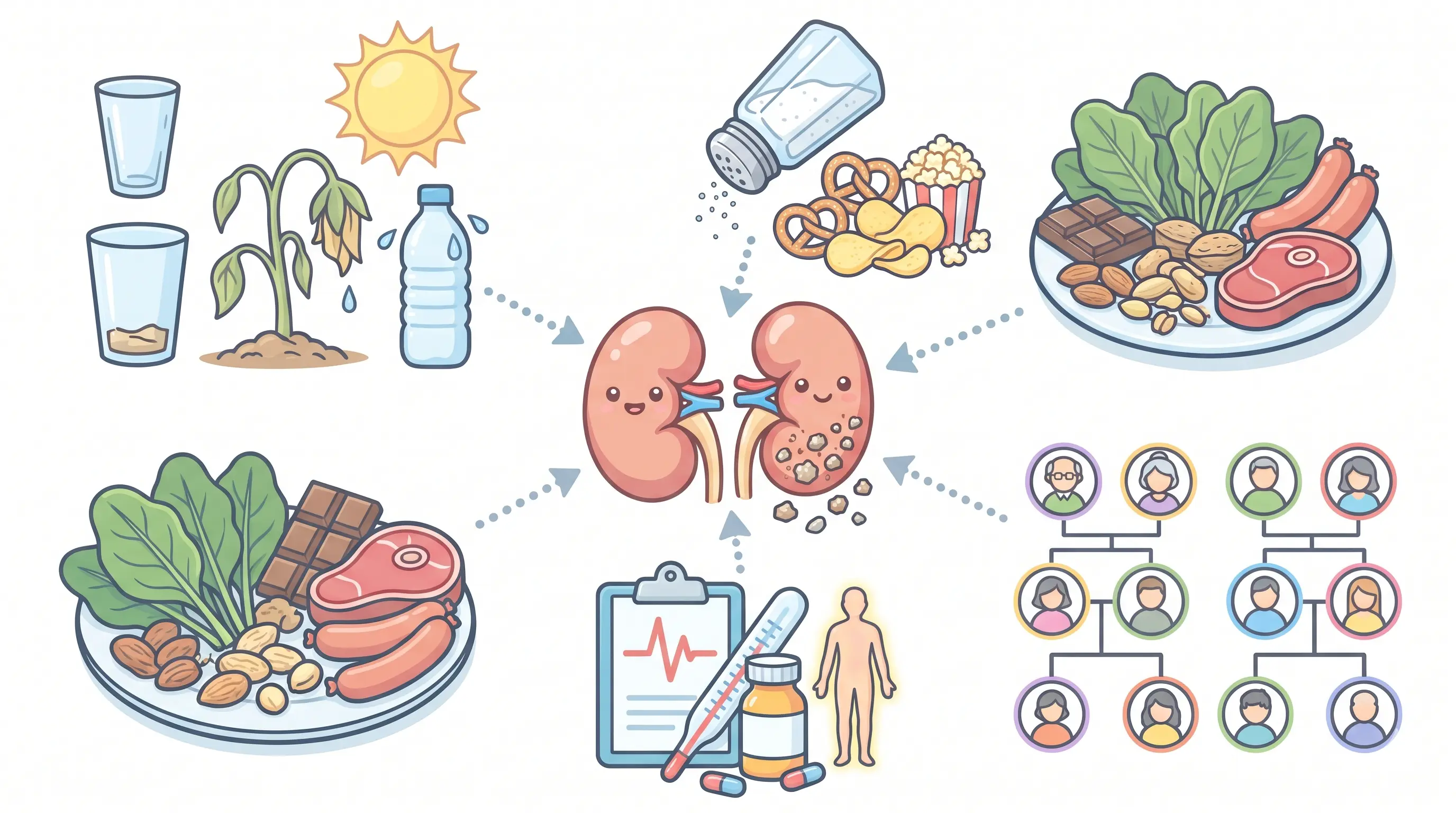
Several factors increase the likelihood of recurrence:
Identifying your risk factors is the first step towards effective prevention.
Drinking enough fluid is one of the most effective ways to reduce kidney stone recurrence. Water dilutes substances in urine that can form crystals.
For many adults with recurrent stones, the goal is to produce more than 2.5 litres of urine daily.
Practical hydration tips:
Your fluid needs may differ if you have heart disease, kidney failure, or a prescribed fluid restriction.
Your food choices can influence urine composition and stone formation. A balanced diet can help lower your risk without unnecessary food restrictions.
Excess sodium increases calcium levels in urine, raising the risk of calcium stones.
Aim for less than 2,300 mg of sodium daily, unless your doctor advises otherwise.
Limit packaged snacks, pickles, papad, processed foods, and excess added salt.
Avoiding calcium does not usually prevent calcium stones. In fact, consuming too little calcium may increase oxalate absorption.
Most adults with calcium stones should aim for approximately 1,000–1,200 mg of dietary calcium daily.
Include milk, curd, or other suitable calcium-rich foods with meals.
People with calcium oxalate stones and high urinary oxalate may need to limit spinach, nuts, and other high-oxalate foods.
Those with uric acid stones may benefit from reducing excess red meat and organ meat.
A Urology specialist can recommend dietary changes based on your stone analysis and urine test results.

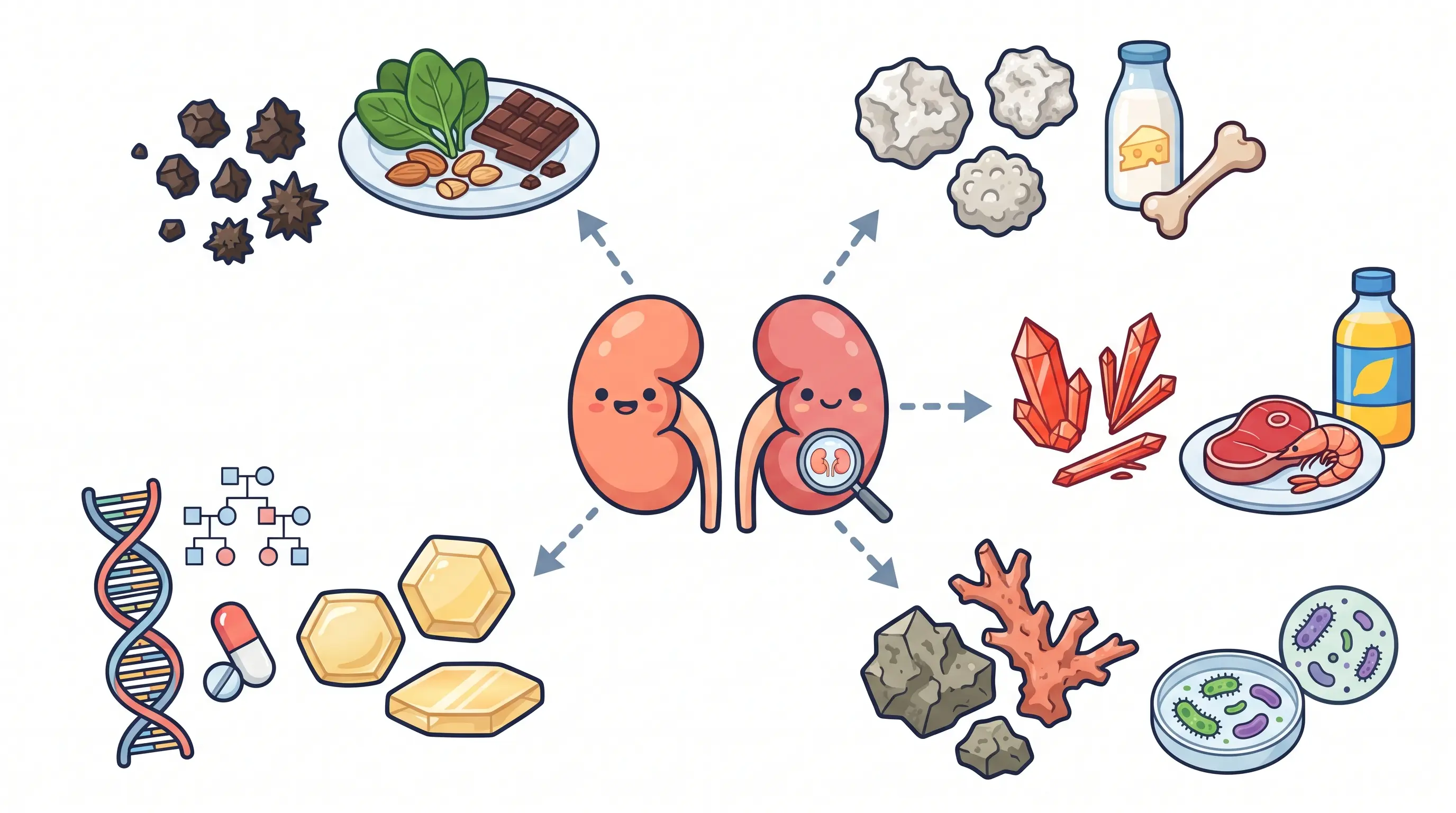
Different kidney stones require different prevention strategies. Knowing your stone composition helps your doctor recommend suitable treatment.
| Kidney Stone Type | Prevention Approach |
|---|---|
| Calcium oxalate | Adequate hydration, normal dietary calcium, less sodium, and targeted oxalate reduction |
| Calcium phosphate | Hydration, sodium reduction, and evaluation of urine calcium and pH |
| Uric acid | Hydration, dietary changes, and medically supervised urine alkalinisation |
| Struvite | Treatment of infection and removal of stone material when required |
| Cystine | Higher urine volume and specialist-guided treatment |
If you pass a stone or undergo surgery, ask whether the stone can be analysed.
A urologist in Mumbai can review your stone composition and recommend appropriate preventive measures.
Kidney stone prevention should not depend on guesswork. Medical tests can identify factors that increase recurrence risk.
Your doctor may recommend:
People with repeated stones or high-risk conditions may benefit from a detailed metabolic evaluation.
A Urology doctor can determine which investigations are appropriate for your medical history.
Some patients continue developing stones despite improving their hydration and diet. Preventive medicines may help when specific metabolic abnormalities are present.
Depending on your test results, your doctor may consider:
These medicines require medical supervision and monitoring.
Maintaining a healthy weight, staying physically active, and attending follow-up appointments also support long-term prevention.
After a kidney stone episode, taking the following steps can help reduce future problems:
Even if you drink enough water, metabolic conditions or inherited factors may still cause stones to return.
If you experience repeated kidney stones, persistent flank pain, or urinary symptoms, consult a qualified Urology specialist in Mumbai for evaluation. When choosing a urology hospital in Mumbai, consider specialist qualifications, diagnostic facilities, and follow-up care. Focus on appropriate medical expertise and personalised treatment rather than promotional claims. Seek urgent medical attention if you develop fever with severe flank pain, cannot urinate, or experience persistent vomiting.
Preventing kidney stones from returning starts with understanding why they formed. Adequate hydration, reduced salt intake, normal dietary calcium, and stone-specific dietary changes can lower recurrence risk. If you experience repeated stones, consult a qualified Urology specialist to discuss stone analysis, metabolic testing, and preventive treatment. With consistent habits and appropriate medical guidance, you can take meaningful steps towards protecting your kidney health.
Have any questions? We are ready to help.