Introduction
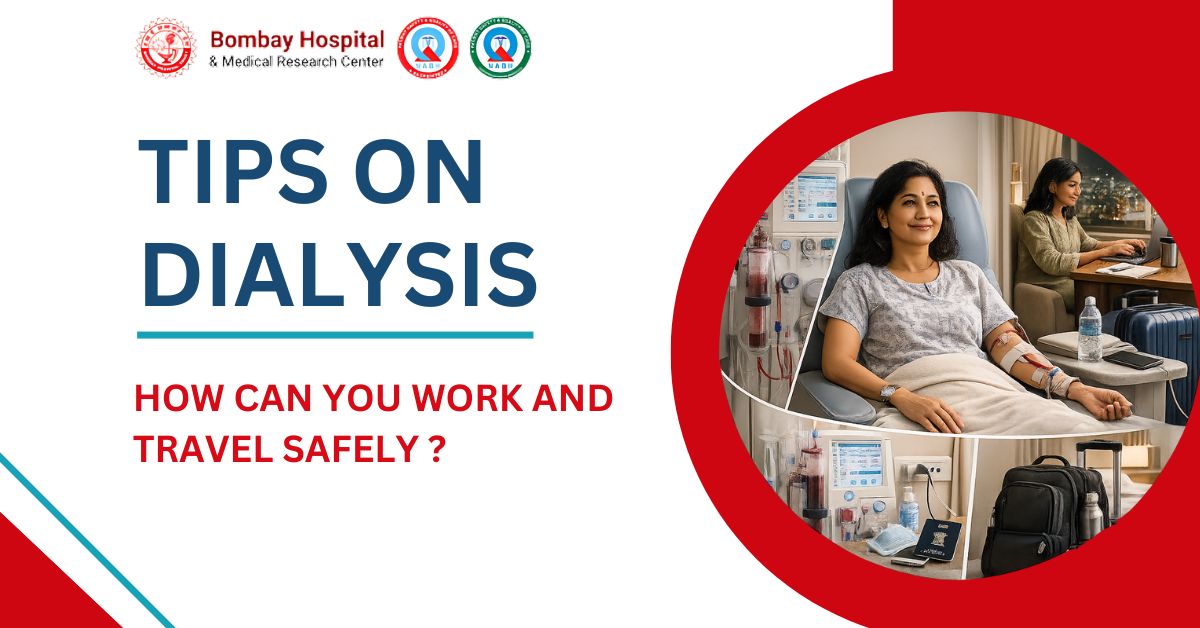
Many people believe dialysis means giving up work, canceling travel plans, and staying close to home
forever. That is not true. Thousands of dialysis patients continue working, attend business meetings,
travel with family, and even take international trips safely.
The challenge is not dialysis itself. The challenge is planning your routine carefully. Missed dialysis
sessions, poor food choices, long travel hours, and fatigue can create serious health problems if you
are unprepared.
If you are on dialysis and want to continue living independently, this guide can help. You will learn
how to manage work schedules, prepare for travel, stay safe during flights, handle emergencies, and
protect your health while maintaining an active lifestyle with proper nephrology care and medical guidance.
Can You Work While on Dialysis?
Yes, many dialysis patients continue working successfully. Your ability to work depends
on your
overall health, energy levels, type of dialysis, and job demands.
Some people work full-time, while others shift to flexible schedules or remote roles.
The goal
is to create a routine that supports both your treatment and your physical well-being.
Consulting
an
experienced Nephrologist can help
you manage dialysis schedules, work stress, and
travel plans more safely and effectively.
Best Work Options for Dialysis Patients
Jobs with flexible timing and low physical strain are often easier to manage during dialysis
treatment.
Common work options include:
- Office-based jobs
- Remote work or work-from-home roles
- Consulting and freelance work
- Teaching and administrative jobs
- Customer support and computer-based work
If your job involves heavy lifting, long outdoor hours, or physically demanding tasks, speak
with your doctor about possible adjustments.
How to Balance Dialysis and Work
Schedule Dialysis Around Your Working Hours
Many patients choose dialysis sessions early in the morning or after office hours. This allows
them to continue their regular work routine with fewer interruptions.
Ask your dialysis center about:
- Evening dialysis shifts
- Weekend dialysis options
- Flexible appointment timings
A consistent schedule helps your body adjust better.
Inform Your Employer Early
Many dialysis patients avoid discussing their condition at work because they fear judgment or
job loss. This often creates more stress.
Informing your employer or HR department can help you:
- Request flexible timings
- Take short medical breaks
- Reduce physically demanding tasks
- Work remotely during recovery days
Simple adjustments can improve your productivity and reduce
exhaustion.
Manage Fatigue During Work
Tiredness is one of the most common dialysis-related concerns. You may feel weak after treatment
sessions.
To manage energy levels:
- Sleep for 7 to 8 hours daily
- Eat meals recommended by your renal dietitian
- Avoid skipping meals during work
- Take short breaks between tasks
- Stay physically active within safe limits
Do not ignore persistent weakness or dizziness. Speak with your nephrologist if fatigue affects
daily activities.
Can Dialysis Patients Travel Safely?
Yes, dialysis patients can travel safely within India and internationally. Planning ahead is the
most important step.
Travel becomes risky when patients:
- Miss dialysis appointments
- Ignore food restrictions
- Forget medications
- Travel without medical records
Good preparation reduces these risks significantly.
How to Plan Travel While on Dialysis
Book Dialysis Sessions Before Traveling
Never wait until you arrive at your destination to arrange dialysis treatment.
Before your trip:
- Contact dialysis centers in the destination city
- Confirm appointment dates and timings
- Share your medical reports in advance
- Ask about treatment costs and insurance
Popular tourist cities often have dialysis facilities for
visiting patients.
Carry Essential Medical Documents
Always travel with:
- Doctor’s prescription
- Recent blood reports
- Dialysis schedule details
- Medication list
- Emergency contact numbers
Keep digital copies on your phone and email for backup access.
Pack Extra Medicines and Supplies
Travel delays can happen unexpectedly. Carry extra supplies for
safety.
Pack:
- Additional medicines for at least one week
- Sanitizers and masks
- Dialysis access care items
- Kidney-friendly snacks
- Reusable water measurement bottle
Keep medicines in cabin baggage while flying.
Air Travel Tips for Dialysis Patients
Many patients worry about flying during dialysis treatment. Air travel is usually safe when
planned carefully.
Inform the Airline Before Flying
Airlines often assist passengers with medical conditions.
You may request:
- Wheelchair assistance
- Extra baggage allowance for medicines
- Early boarding support
- Special meals
Carry a medical certificate if you use medical equipment or
injectable medicines.
Protect Your Dialysis Access During Flights
Your fistula or catheter needs protection during travel.
Avoid:
- Tight clothing around the access area
- Carrying heavy bags on the fistula arm
- Sleeping in positions that put pressure on the access site
If you notice swelling, redness, bleeding, or pain, seek medical
help immediately.
Reduce Swelling During Long Flights
Sitting for long hours can increase discomfort.
During flights:
- Walk every one to two hours
- Stretch your legs regularly
- Wear comfortable footwear
- Avoid salty airport food
These small steps improve blood circulation and reduce swelling.
Train and Road Travel Tips for Dialysis Patients
Long train and road journeys need planning because access to clean food, washrooms, and medical
support may be limited.
During Train Travel
- Carry home-cooked meals when possible
- Avoid packaged salty snacks
- Keep medicines easily accessible
- Maintain hygiene while using public washrooms
During Road Trips
- Stop regularly for movement and stretching
- Avoid dehydration
- Do not delay meals or medications
- Save nearby hospital locations on your phone
If you feel breathless, dizzy, or severely fatigued, seek
medical care immediately.
Foods to Avoid While Traveling on Dialysis
Travel often leads to unhealthy eating habits. Dialysis patients need stricter food control
during trips.
Avoid:
- Processed foods
- Instant noodles
- Chips and salty snacks
- Cola drinks
- Excess dairy products
- Processed meats
- High-potassium fruit juices
Choose:
- Freshly cooked meals
- Low-sodium foods
- Controlled fluid intake
- Fresh fruits allowed by your doctor
Your diet plays a major role in preventing complications during
travel.
Emergency Signs Dialysis Patients Should Never Ignore
Seek urgent medical attention if you experience:
- Severe shortness of breath
- Chest pain
- Sudden swelling
- High fever
- Bleeding from dialysis access
- Confusion or fainting
- Missed dialysis symptoms such as nausea and extreme weakness
Knowing these warning signs can prevent medical emergencies
during work or travel.
Emotional Challenges of Working and Traveling on Dialysis
Many dialysis patients stop traveling because of fear. Some worry about becoming dependent on
others. Others avoid work meetings or social gatherings because they feel exhausted or
embarrassed.
These emotions are common.
Staying socially active can improve mental health and confidence. Start with shorter trips or
flexible work schedules. Over time, you may feel more comfortable handling larger
responsibilities and longer travel plans.
Support groups and counseling may also help you manage stress related to chronic kidney disease
and dialysis.
Bombay Hospital and Medical Research Centre offers
treatment across several specialties
including Cardiology, Cardiovascular Thoracic Surgery, Endocrinology, Gastroenterology, Nephrology, Neurology, Neurosurgery,
Paediatric Surgery, Plastic
Surgery, Pulmonary Medicine, Rheumatology, Urology, Oncology, and
other specialty services.
Patients can contact the hospital directly to schedule
consultations and discuss dialysis management, kidney care, and travel-related treatment
planning.
FAQs
Yes, many dialysis patients travel internationally safely. You should arrange dialysis
sessions in advance, carry medical records, and discuss travel plans with your
nephrologist before departure.
Many patients continue working full-time. Flexible schedules, proper nutrition, adequate
rest, and treatment planning help maintain work-life balance during dialysis.
Missing dialysis can lead to fluid buildup, breathing difficulty, weakness, swelling,
and dangerous electrolyte imbalance. Contact a nearby dialysis center or hospital
immediately.
Most dialysis patients can fly safely with proper planning. Carry medicines in cabin
baggage, protect your dialysis access site, and stay connected with your doctor during
long trips.
Choose freshly prepared low-sodium meals and avoid processed foods, salty snacks, and
sugary drinks. Follow your renal diet plan even while traveling.
Conclusion
Dialysis may change your routine, but it does not mean your professional or personal life must stop.
Many patients continue working, traveling, attending social events, and living independently with
proper planning and medical support.
Preparing ahead, following your treatment schedule, eating carefully, and staying connected with
your healthcare team can make work and travel much safer. Small precautions often prevent major
health complications.
With the right guidance and confidence, you can continue exploring opportunities, visiting new
places, and maintaining a fulfilling lifestyle while managing dialysis responsibly.