Tuberculosis (TB) is a serious infectious disease that primarily affects the lungs but can also impact
other parts of the body. Despite advancements in medicine, TB remains a major global health issue,
especially in developing countries. It’s important to understand the impact TB can have on your health
and the steps you can take to prevent or treat it. In this blog, we will discuss what TB is, how it
spreads, its symptoms, and available treatment options. We will also highlight the significance of early
detection and the role of healthcare providers in managing TB.
What is Tuberculosis?
Tuberculosis is caused by the Mycobacterium tuberculosis bacteria and primarily affects the
lungs. It can be contracted when an infected person coughs, sneezes, or speaks,
releasing tiny droplets containing the bacteria into the air. These droplets can be
inhaled by others, leading to new infections.
TB is typically categorized into two forms: latent TB and active TB. In latent TB, the
bacteria remain in the body but do not cause symptoms, and the person is not contagious.
However, latent TB can progress to active TB if the immune system weakens, which can
lead to serious complications if left untreated. If you experience symptoms of TB, it is
essential to consult with specialists in Pulmonary Medicine to
ensure proper diagnosis and treatment, as untreated TB can cause irreversible damage to
the lungs and respiratory system.
Symptoms of Tuberculosis
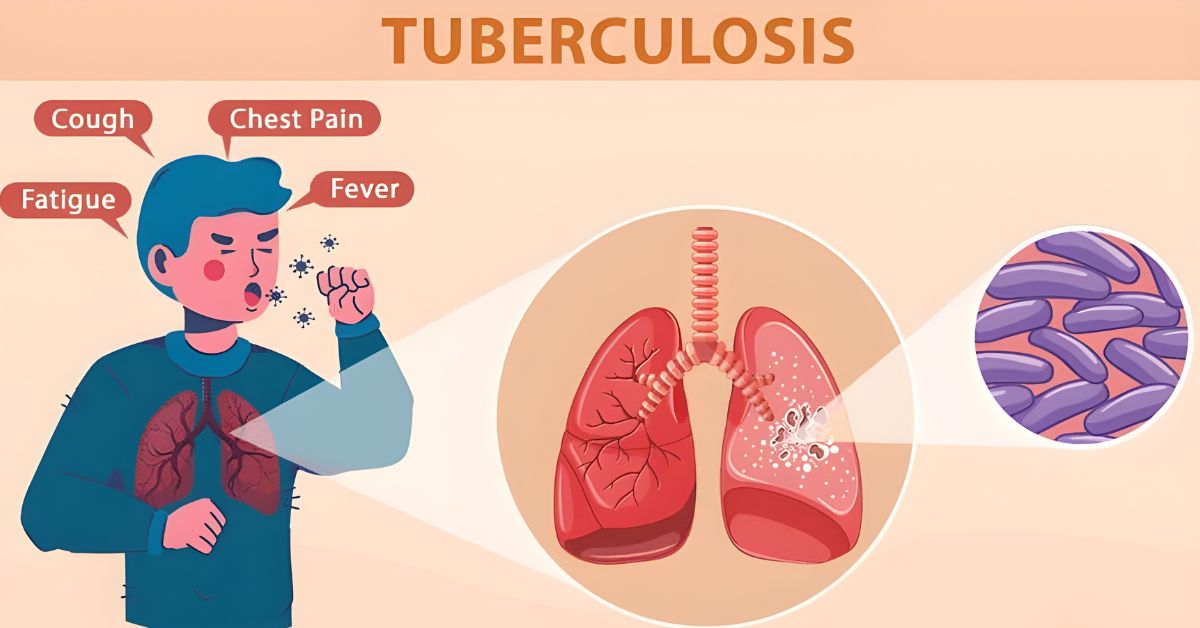
The symptoms of active TB can vary depending on the part of the body affected, but the most
common signs include:
- Persistent cough lasting more than three weeks
- Blood in sputum (mucus coughed up from the lungs)
- Chest pain
- Fatigue
- Night sweats
- Unexplained weight loss
- Fever
- Loss of appetite
In some cases, TB can affect other organs such as the kidneys, spine, or brain, leading to
additional symptoms like back pain or headaches. If you experience such symptoms, it is crucial
to consult a Pulmonologist in
Mumbai for proper diagnosis.
How Tuberculosis Affects Your Health
If not treated in a timely manner, TB can lead to severe health complications. The disease can
cause permanent lung damage and may lead to respiratory failure, especially if it is not
detected early. Furthermore, TB can also spread to other parts of the body, causing
complications in the kidneys, spine, or brain. The spread of the infection can increase the
difficulty of treatment and the risk of developing multi-drug-resistant TB (MDR-TB), a form of
the disease that does not respond to standard TB medications.
For people with compromised immune systems, such as those with HIV or diabetes, the risk of
developing active TB is higher. Early intervention and treatment are essential to prevent the
progression of the disease and to protect other parts of the body from further damage. If you or
a loved one are at higher risk, consulting a Pulmonologist in
Mumbai can help ensure timely diagnosis.
Treatment Options for Tuberculosis
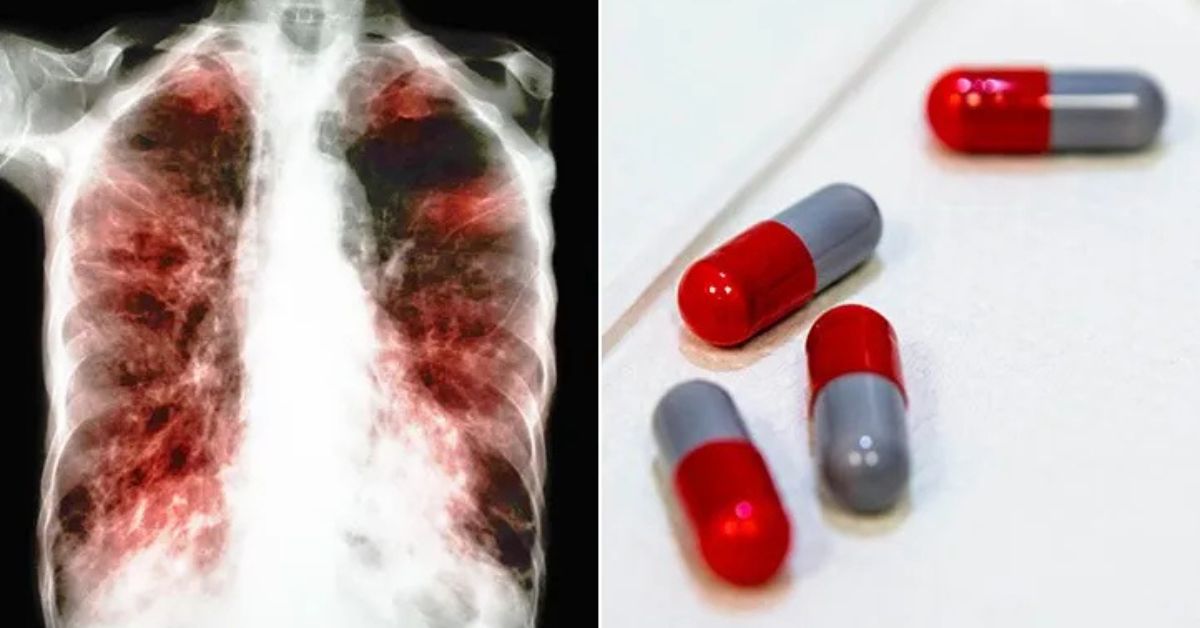
Fortunately, TB is treatable with antibiotics. The standard treatment for active TB
involves a combination of drugs taken for a period of six to nine months. It is crucial
to complete the entire course of treatment, even if symptoms improve, to ensure the
bacteria are fully eradicated and to prevent the development of drug resistance.
The treatment for MDR-TB may involve more potent medications and a longer treatment
duration, which can be challenging for patients. It’s essential to follow the treatment
plan strictly under the supervision of a healthcare professional.
The Importance of Early Diagnosis and Regular Monitoring
Early diagnosis and treatment of tuberculosis are key to preventing severe health complications.
TB is diagnosed through tests like chest X-rays, sputum tests, and blood tests. If you
experience any symptoms of TB, it is crucial to visit a healthcare provider for testing.
Regular monitoring is also important to ensure that the treatment is working and to prevent
relapse. Your healthcare provider may recommend regular follow-up appointments to track progress
and make any necessary adjustments to your treatment plan.
Consultation and Care at Bombay Hospital
Bombay Hospital Mumbai has earned a reputation for providing
high-quality care with the aim of
delivering the same level of service to everyone, regardless of their financial status.
Bombay Hospital is renowned for its expertise across a wide range of specialties, including
cardiology, cardiovascular thoracic surgery, endocrinology, gastroenterology, nephrology,
neurology, neurosurgery, paediatric surgery, plastic surgery, pulmonary medicine,
rheumatology, urology, and oncology. If you are experiencing symptoms related to tuberculosis,
seeking expert care is essential. At Bombay Hospital, you can
rely on a team of experienced
doctors and specialists who are available to provide the necessary diagnosis, treatment, and
ongoing care to manage the disease effectively.
To schedule a consultation, you can contact the hospital.
FAQs on Tuberculosis
No, TB is spread through the air when an infected person coughs, sneezes, or talks.
Casual contact, such as shaking hands or sharing food, does not transmit TB.
The standard treatment for active TB usually lasts between six to nine months, depending
on the severity of the infection. It is crucial to complete the full course of
antibiotics as prescribed by your healthcare provider.
Risk factors include having a weakened immune system (due to HIV, diabetes, or other
conditions), living in crowded or poorly ventilated environments, and close contact with
someone who has active TB.
Yes, tuberculosis is treatable and can be cured with the appropriate use of antibiotics.
However, it is essential to follow the prescribed treatment regimen and complete the
full course of medication.
Yes, while TB primarily affects the lungs, it can also spread to other parts of the
body, including the kidneys, spine, and brain. This can lead to more severe health
complications.
Takeaway
Tuberculosis is a serious health concern, but it is treatable when diagnosed early and managed with
proper medical care. If you experience any symptoms of TB or have been in close contact with someone
who has the disease, seek medical attention promptly. With the right treatment and care, TB can be
fully managed, and the risks of long-term complications can be minimized.
Remember, seeking professional medical help, such as consulting the specialists at Bombay Hospital,
can ensure that you receive the most effective treatment for tuberculosis. Don't delay in addressing
your health concerns—early intervention can make a world of difference in your recovery.