Introduction
Heart disease remains one of the leading causes
of death worldwide, yet many people ignore or fail to
recognize the early signs that something may be wrong. Cardiovascular health is something everyone
should take seriously, but often, we only think about it when it's too late. Recognizing the symptoms
early can save lives, which is why regular heart check-ups are essential.
In this blog, we will explore the signs that indicate you might need a heart check-up, how early
detection can help, and the role of professionals at Bombay
Hospital in
providing the right treatment.
We’ll also answer some frequently asked questions about heart health and consultations, so you can make
informed decisions for yourself or your loved ones.
Common Signs That Suggest You Might Need a Heart Check-Up
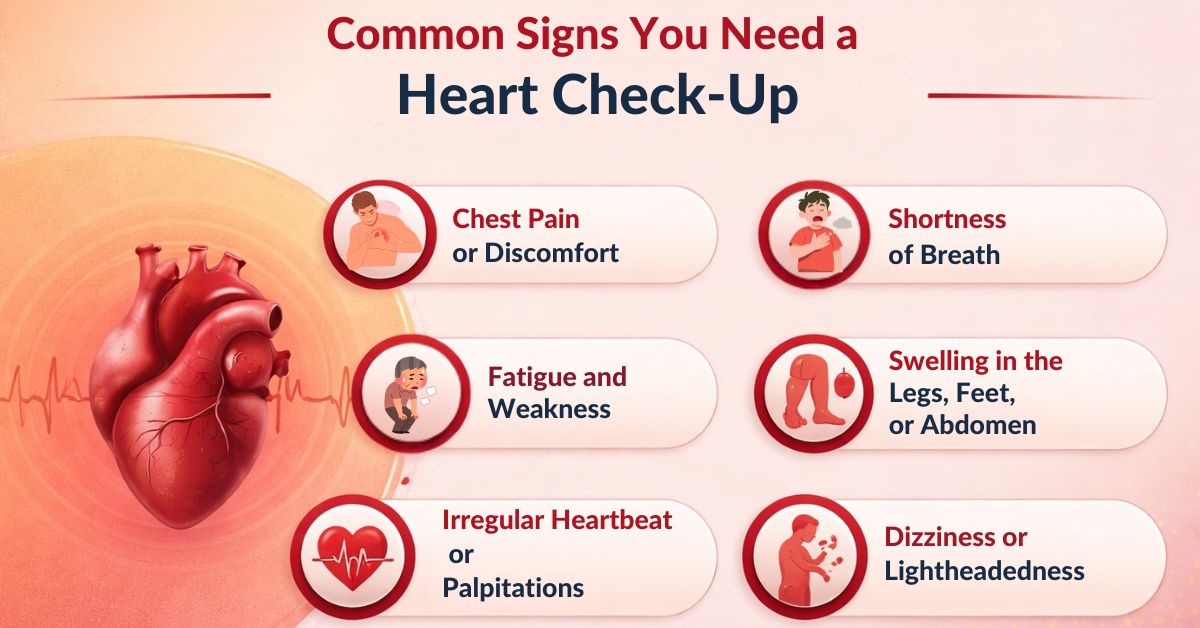
- 4. Swelling in the Legs, Feet, or Abdomen: Swelling in the legs,
ankles, or abdomen could be a sign that your heart is not pumping blood effectively.
When your heart isn't working as it should, blood can back up in certain areas of
the body, causing fluid retention. This is particularly common in the lower
extremities and can make it harder for you to move or feel comfortable in daily
activities.
- 5. Irregular Heartbeat or Palpitations: If you’ve ever felt your
heart racing or skipping beats, you may have experienced palpitations. While
occasional palpitations are common, frequent or prolonged episodes can signal a
heart rhythm disorder. An irregular heartbeat, known as arrhythmia, can lead to
complications if left untreated.
- 6. Dizziness or Lightheadedness: Feeling lightheaded or fainting
could be linked to an issue with your heart. Dizziness can occur when your heart
isn't pumping blood effectively, causing a drop in blood pressure. This can result
in a lack of oxygen in the brain, leading to dizziness or fainting spells. If you
experience these symptoms regularly, it's time for a heart check-up.
- 1. Chest Pain or Discomfort: Chest pain is one of the most
well-known symptoms of heart problems, but it doesn't always mean a heart attack.
Sometimes it can manifest as a sharp, stabbing pain or a dull ache. If you
experience chest discomfort that doesn't go away after resting or is accompanied by
shortness of breath, dizziness, or sweating, you should seek immediate medical
attention. Even mild discomfort could indicate an underlying heart condition.
- 2. Shortness of Breath: Do you find yourself out of breath during
activities you used to do with ease? Shortness of breath, or dyspnea, is a common
symptom of heart disease. It could signal that your heart isn't pumping efficiently
enough to provide oxygen to your lungs and other vital organs. If you feel winded
after walking short distances or climbing stairs, it’s time to talk to a doctor.
- 3. Fatigue and Weakness: Constant fatigue or feeling unusually weak
can sometimes be related to heart problems. If you're suddenly feeling exhausted
even after a full night's rest or find that your energy levels have significantly
decreased, it could be a sign of heart disease. Your heart might not be pumping
enough oxygen to your body, leaving you feeling drained.
- 4. Swelling in the Legs, Feet, or Abdomen: Swelling in the legs,
ankles, or abdomen could be a sign that your heart is not pumping blood effectively.
When your heart isn't working as it should, blood can back up in certain areas of
the body, causing fluid retention. This is particularly common in the lower
extremities and can make it harder for you to move or feel comfortable in daily
activities.
- 5. Irregular Heartbeat or Palpitations: If you’ve ever felt your
heart racing or skipping beats, you may have experienced palpitations. While
occasional palpitations are common, frequent or prolonged episodes can signal a
heart rhythm disorder. An irregular heartbeat, known as arrhythmia, can lead to
complications if left untreated.
- 6. Dizziness or Lightheadedness: Feeling lightheaded or fainting
could be linked to an issue with your heart. Dizziness can occur when your heart
isn't pumping blood effectively, causing a drop in blood pressure. This can result
in a lack of oxygen in the brain, leading to dizziness or fainting spells. If you
experience these symptoms regularly, it's time for a heart check-up.
Why Early Heart Disease Detection Is Crucial
The earlier you catch potential heart issues, the easier it is to treat them. Early detection
can prevent heart attacks, strokes, and other life-threatening complications. Many heart
problems, such as high blood pressure, high cholesterol, and coronary artery disease, often
develop without noticeable symptoms. Regular check-ups allow your healthcare provider to catch
these issues early, making treatment more effective.
When Should You Consider a Heart Check-Up?
Even if you don't experience any of the above symptoms, certain risk factors make it
essential to stay on top of your heart health. If you have a family history of heart
disease, smoke, are overweight, have high cholesterol, or suffer from conditions like
diabetes, it's important to have regular heart check-ups. Starting at age 40, people
should consider having an annual check-up, especially if they have any risk factors.
The Role of Bombay Hospital in Cardiac Care
At Bombay Hospital, we take heart disease awareness seriously.
With a team of highly qualified
specialists in cardiology, cardiovascular thoracic surgery, and related fields, we provide
comprehensive care for all heart conditions. Our experts are equipped to diagnose, treat, and
manage heart disease, offering personalized care for each patient.
Whether you're experiencing symptoms or looking to get a preventive check-up, our heart
specialists use advanced diagnostic tools to assess your condition accurately. We provide a
range of services, including:
- Heart Disease Screening and Risk Assessment
- ECG, Echocardiography, and Stress Testing
- Cardiovascular Surgery for Complex Heart Conditions
- Management of Hypertension, Diabetes, and Cholesterol Levels
- Post-Operative Care and Rehabilitation
We believe in offering holistic care, from prevention and diagnosis to surgery and long-term
management. Our multidisciplinary approach ensures that your heart health is in expert hands,
with a focus on improving quality of life.
Frequently Asked Questions (FAQs)
If you’re over 40 or have risk factors like high blood pressure, high cholesterol, or a
family history of heart disease, you should have a heart check-up every year. For
others, regular check-ups every 2-3 years might be sufficient.
A typical heart check-up may include an ECG (electrocardiogram), echocardiogram, stress
test, blood tests to check cholesterol and sugar levels, and a physical exam. Your
doctor may recommend additional tests based on your symptoms.
Common signs of a heart attack include chest pain, shortness of breath, nausea,
sweating, and pain radiating to the jaw, back, or arms. If you experience any of these
symptoms, seek immediate medical attention.
Yes, chronic stress can lead to high blood pressure, heart disease, and other
cardiovascular issues. Managing stress through exercise, relaxation, and healthy
lifestyle choices is crucial for heart health.
Genetics can play a role in heart disease, especially if a family member had a history
of heart attacks or heart conditions at an early age. However, lifestyle factors such as
diet, exercise, and smoking also contribute significantly to your heart health.
Take Care of Your Heart Today
Heart disease may not always show obvious symptoms, which is why regular check-ups and being aware
of your heart health is so important. If you experience any of the signs mentioned above, don't
wait—get a heart check-up and ensure that you're on the right track to a healthy heart.
At Bombay Hospital, we’re committed to providing world-class care and expert advice to help you stay
heart-healthy. With early detection, proper treatment, and a proactive approach, heart disease
doesn’t have to define your future. Take the next step today—your heart will thank you for it.