How Long Do Lungs Take to Recover After Quitting Smoking?

Introduction

Your lungs begin recovering within days after you quit smoking, but noticeable breathing improvements often take weeks or months. Coughing and shortness of breath may decrease over 1–12 months, while the risk of smoking-related diseases continues to fall over several years. Some damage, such as emphysema, may be permanent. Your recovery depends on how long you smoked, how much you smoked, and your existing lung health.

How Many Days Does It Take for Lungs to Recover After Smoking?

There is no fixed number of days for complete lung recovery. Different changes happen at different stages after your last cigarette.

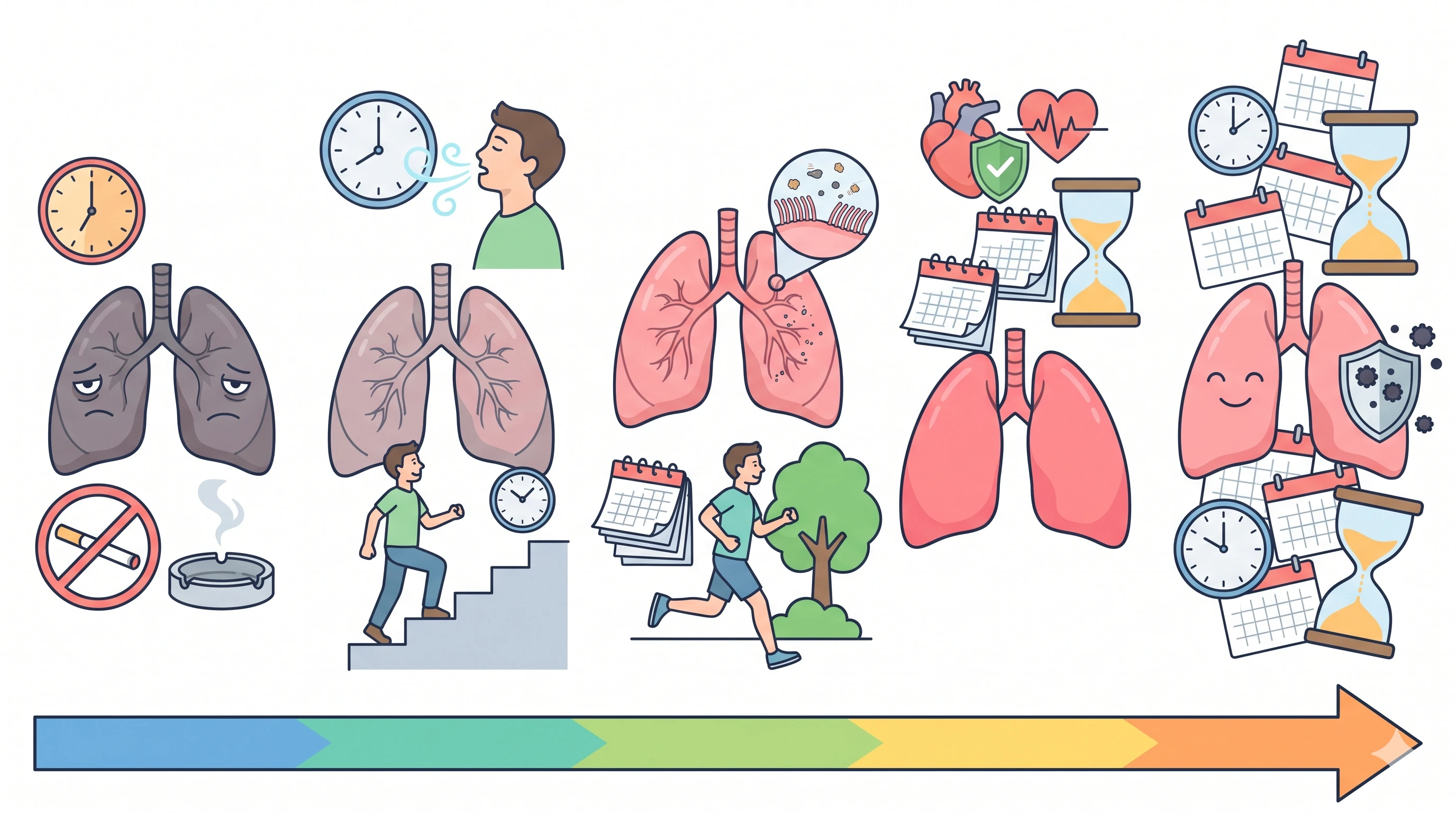
Lung recovery timeline after quitting smoking explained by a pulmonologist in Mumbai
Time After Quitting Changes in Your Body and Lungs
12–24 hours Nicotine levels in the blood fall, and carbon monoxide begins returning towards normal levels.
2 weeks–3 months Blood circulation improves, and lung function may begin improving.
1–12 months Coughing and shortness of breath often decrease as airway clearance improves.
1–2 years Heart attack risk falls sharply, although this does not mean lung tissue has fully healed.
10–15 years The added risk of lung cancer falls by about half compared with continued smoking.

These are general timelines, not guaranteed recovery dates. Some people notice better breathing within weeks, while others need longer. For more information, read "What Happens to Your Lungs When You Quit Smoking? A Timeline of Recovery."

Can Your Lungs Completely Heal After Quitting Smoking?

Your lungs can recover from certain effects of smoking, but some damage cannot be reversed.

Smoking irritates the airways and damages tiny structures called cilia, which help remove mucus and unwanted particles.

After quitting, three changes may occur:

  • Reduced inflammation: Airway irritation may gradually decrease.
  • Improved mucus clearance: Recovering cilia help remove mucus more effectively.
  • Slower lung function decline: Quitting helps protect the remaining healthy lung tissue.

Some conditions cause permanent structural damage.

For example, emphysema destroys the tiny air sacs responsible for oxygen exchange. These damaged air sacs generally cannot grow back.

Chronic obstructive pulmonary disease (COPD) can also cause lasting airflow problems.

Quitting smoking remains beneficial even when permanent damage exists. A specialist in Pulmonology can assess your breathing and identify possible complications.

What Factors Affect Lung Recovery Time?

Two people who quit smoking together may experience different recovery patterns.

The main factors include:

Smoking Duration and Frequency

Smoking 20 cigarettes daily for 15 years generally creates greater cumulative exposure than smoking five cigarettes daily for two years.

Age and Existing Lung Conditions

People without established lung disease may experience greater improvements in breathing. Asthma, COPD, and other respiratory conditions can affect recovery.

Air Pollution and Secondhand Smoke

Mumbai's traffic pollution, construction dust, and secondhand smoke can continue irritating your airways after quitting.

Overall Health

Physical fitness, nutrition, and other medical conditions may influence how you feel during recovery.

If breathing problems continue, a pulmonologist in Mumbai can help determine whether smoking has caused lasting lung damage.
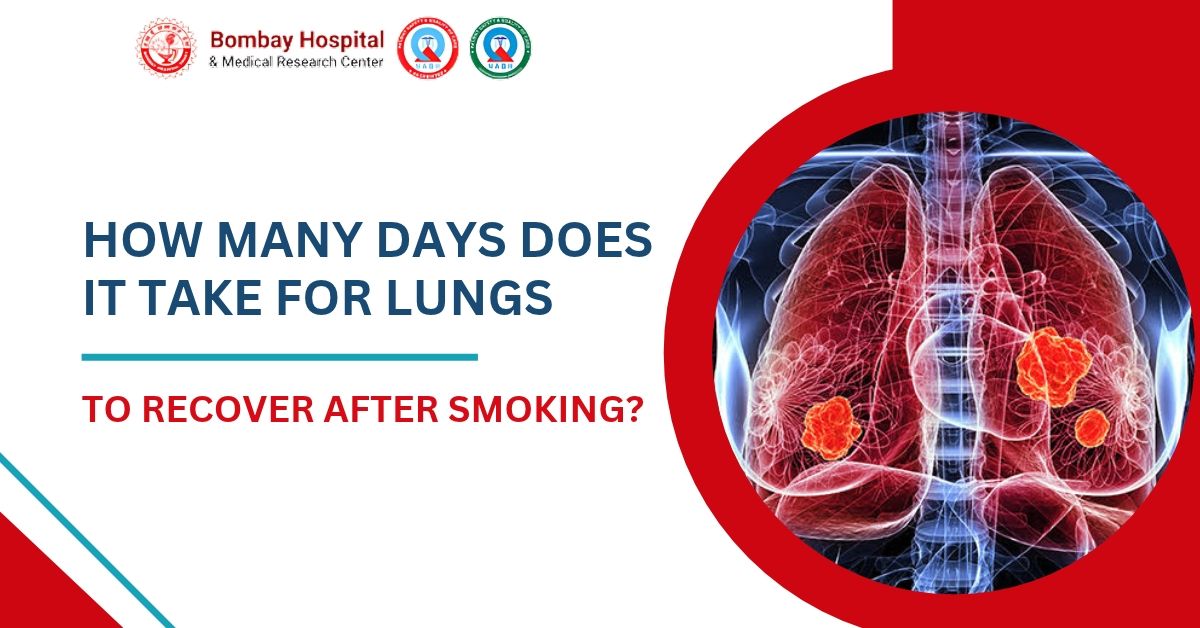
How Can You Improve Lung Health After Quitting Smoking?

There is no proven detox drink or supplement that instantly removes smoking-related lung damage.

You can support your health through practical steps.

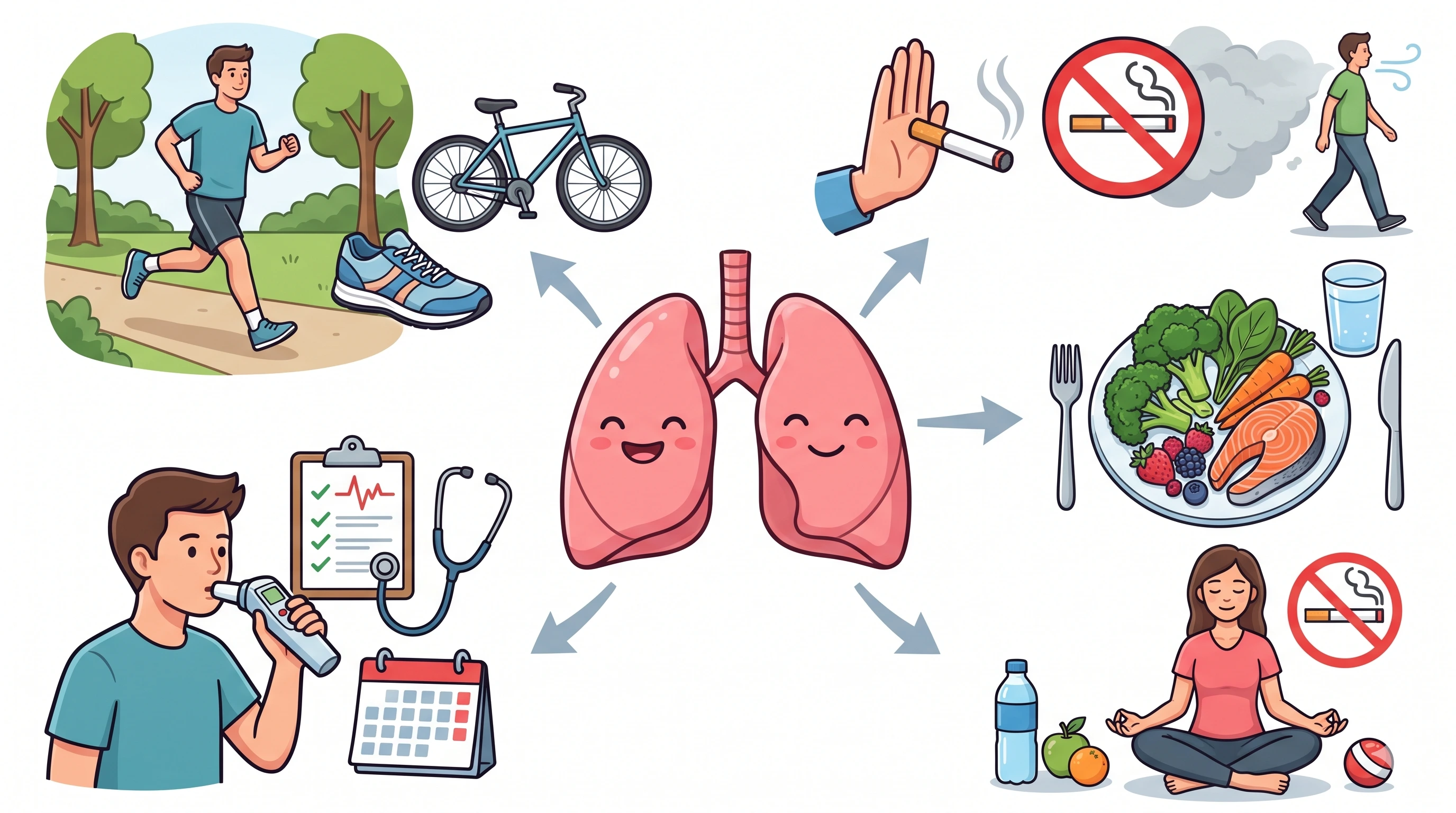
Ways to improve lung health after quitting smoking with pulmonology care in Mumbai

Start With Regular Physical Activity

Begin with short walks and increase your activity gradually. Exercise improves fitness and may reduce breathlessness during everyday tasks.

Avoid Further Smoke Exposure

Stay away from cigarettes, vaping, secondhand smoke, and unnecessary exposure to dust or fumes.

Eat Balanced Meals

Include vegetables, fruits, whole grains, and protein-rich foods. Healthy eating supports your general health but cannot reverse permanent lung damage.

Manage Nicotine Cravings

Identify situations that trigger cravings. Behavioural counselling, nicotine replacement therapy, and prescribed medicines can help you remain smoke-free.

Monitor Your Symptoms

Pay attention to changes in coughing, wheezing, and exercise tolerance. Persistent symptoms may require medical evaluation.

Is Coughing Normal After Quitting Smoking?

Some people experience increased coughing during the first few weeks after quitting.

This may happen as cilia begin recovering and mucus clearance improves. Other people notice their cough improving immediately.

A temporary cough does not always indicate a serious problem, but it should gradually settle.

Seek medical advice if you experience:

  • A cough lasting more than three weeks
  • Increasing breathlessness or wheezing
  • Repeated chest infections
  • Unexplained weight loss
  • Blood in your sputum

Severe chest pain, sudden breathing difficulty, or coughing up blood requires urgent medical assessment.

How Can a Pulmonologist Check Your Lungs After Quitting?

If you have smoked for several years, a respiratory assessment may help identify smoking-related problems.

A doctor may recommend:

  • Spirometry: Measures airflow and helps identify conditions such as COPD.
  • Pulse oximetry: Checks oxygen saturation in your blood.
  • Chest X-ray: Helps investigate certain respiratory symptoms.
  • CT scan: Provides detailed lung images when clinically necessary.

Some people with a substantial smoking history may also benefit from low-dose CT screening for lung cancer.

Not every former smoker needs imaging or repeated tests.

When Should You Consult a Pulmonologist in Mumbai?

If you continue experiencing coughing, breathlessness, wheezing, or repeated respiratory infections after quitting smoking, consider consulting a respiratory specialist. At Bombay Hospital Mumbai, patients seeking Pulmonology treatment in Mumbai can enquire about specialist assessment and appropriate investigations. When choosing a Pulmonology hospital in Mumbai, consider the availability of qualified specialists, diagnostic facilities, and follow-up care. Early evaluation can help identify respiratory problems and guide treatment.

Frequently Asked Questions

Some people notice improvement within weeks. Coughing and shortness of breath often decrease over 1–12 months, depending on existing lung health.

Yes. Quitting can improve symptoms and reduce future health risks, although established damage such as emphysema may remain permanent.

Recovering airway clearance may temporarily increase mucus removal. Persistent or worsening coughing should be assessed by a doctor.

Persistent breathlessness, wheezing, or reduced exercise tolerance may indicate lung disease. Spirometry and other investigations can help identify problems.

No. CT scans are not necessary for everyone. Screening eligibility depends on age, smoking exposure, risk factors, and medical guidance.

Conclusion

Lung recovery begins soon after quitting smoking, but improvements continue over months and years. Some damage can improve, while permanent changes may remain. Staying smoke-free, exercising regularly, and avoiding harmful exposures can help protect your respiratory health. If breathing problems continue, consult a qualified pulmonologist for assessment and personalised guidance. Quitting today can still make a meaningful difference to your future health.

Send us a message

Have any questions? We are ready to help.

List of Consultants

Avya Bansal

Dr. Avya Bansal

MD, DNB, FAPSR, MNAMS

Pulmonologist

Kapil Salgia

Dr. Kapil Salgia

MD( Chest Medicine), FCCP ( USA)

Pulmonologist

Sujeet K. Rajan

Dr. Sujeet K. Rajan

MD, DETRD, DNB (Respiratory Medicine)

Pulmonologist

Amita Nene

Dr. Amita Nene

MD

Pulmonologist

Pratibha Singhal

Dr. Pratibha Singhal

MD

Pulmonologist

ShyamSunder Tampi

Dr. ShyamSunder Tampi

MD (Gen. Medicine), DM (Pulmonary Medicine & Critical Care)

Pulmonologist

Aditya Agrawal

Dr. Aditya Agrawal

MD

Pulmonologist

Book Appointment Book Appointment