Modern life moves quickly. Work pressure, long screen time, and constant notifications often push sleep to the bottom of the priority list. Many people stay awake late to finish tasks or scroll through their phones, only to wake up tired the next day.
Poor sleep does more than make you feel sleepy. It affects your mood, focus, immunity, and overall health. Over time, lack of quality sleep can increase the risk of many health problems.
You can improve your sleep with simple daily habits. Small changes in routine can make a big difference. This blog explains practical ways to sleep better even in a busy lifestyle. If sleep problems continue despite lifestyle changes, you can visit a specialised sleep clinic in Mumbai or consult a sleep expert to identify the underlying cause and receive proper treatment.
Maintain a Consistent Sleep Schedule
Your body works on a natural clock known as the circadian rhythm. This internal system controls when you feel awake and when you feel sleepy.
Irregular sleeping hours confuse this rhythm. One night you sleep at 10 pm. Another night you sleep at 1 am. Your body struggles to adjust.
What you can do
- Go to bed and wake up at the same time every day
- Follow the same schedule on weekends
- Avoid long daytime naps
- If you nap, keep it under 30 minutes
Consistency helps your body learn when to rest. Over time, you will fall asleep faster and wake up refreshed.
Ask yourself a simple question. Do you wake up at the same time every day, or does your schedule change daily? Your answer may explain your sleep quality.
Reduce Screen Time Before Bed
Phones, laptops, and televisions produce blue light. This light signals the brain to stay alert.
Your brain releases a hormone called melatonin at night. Melatonin helps you feel sleepy. Blue light reduces melatonin production. This makes it harder to fall asleep.
Healthy digital habits
- Stop using screens at least one hour before bed
- Use night mode on devices in the evening
- Avoid checking work emails late at night
- Replace scrolling with reading or light stretching
Think about your bedtime routine. Do you fall asleep after watching videos or checking social media? This habit may be affecting your sleep more than you realize.
Create a Relaxing Night Routine
Your brain needs signals that it is time to slow down. A calm routine before bed prepares your body for rest.
Many people switch from intense work directly to sleep. The mind stays active and sleep becomes difficult.
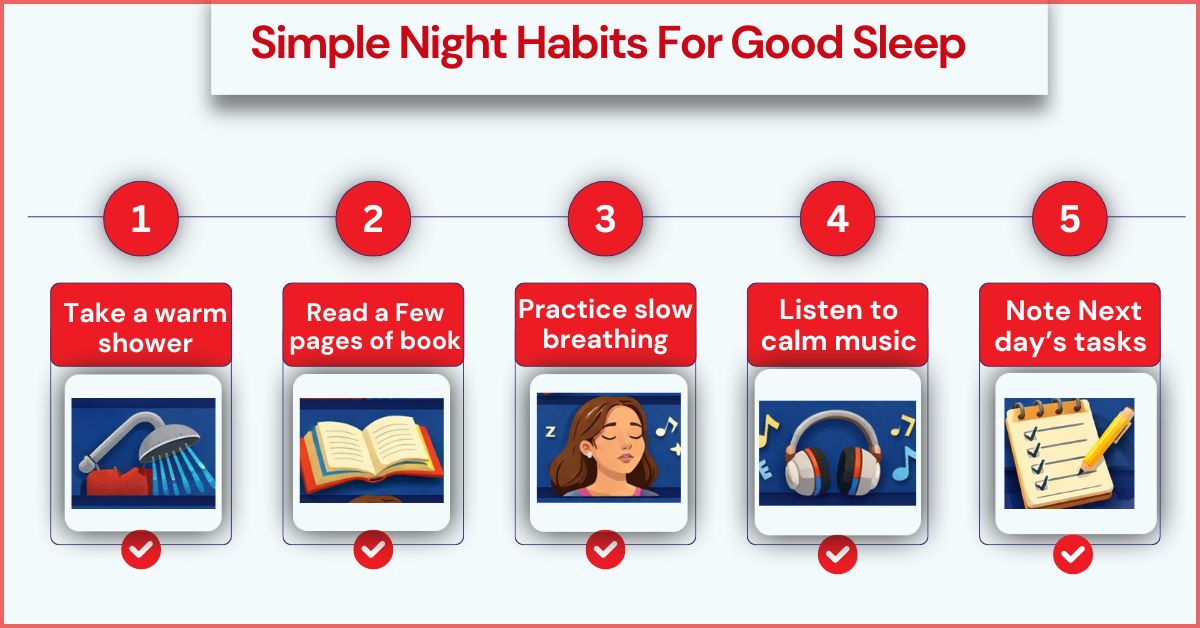
Simple night habits
- Take a warm shower
- Read a few pages of a book
- Practice slow breathing
- Listen to calm music
- Write down tomorrow's tasks
These activities help your mind shift from stress to relaxation.
Many sleep experts suggest a simple rule. Spend the last 30 minutes of the day doing something quiet and calm.
Improve Your Sleep Environment
Your bedroom should support sleep. Noise, bright lights, and uncomfortable beds can disturb rest.
Small changes in your room setup can improve sleep quality.
How to make your bedroom sleep-friendly
- Keep the room cool and comfortable
- Use dim lighting in the evening
- Block outside noise if possible
- Choose a comfortable mattress and pillow
- Remove unnecessary gadgets from the room
Some people sleep with the television on. Others keep their phones next to the pillow. These habits keep your brain alert.
Your bedroom should signal one thing to your mind: rest.
Watch What You Eat and Drink at Night
Food and drinks influence sleep more than most people realize.
Heavy meals close to bedtime make digestion active. This can make sleep uncomfortable.
Caffeine also affects sleep. Coffee, tea, energy drinks, and some soft drinks contain caffeine.
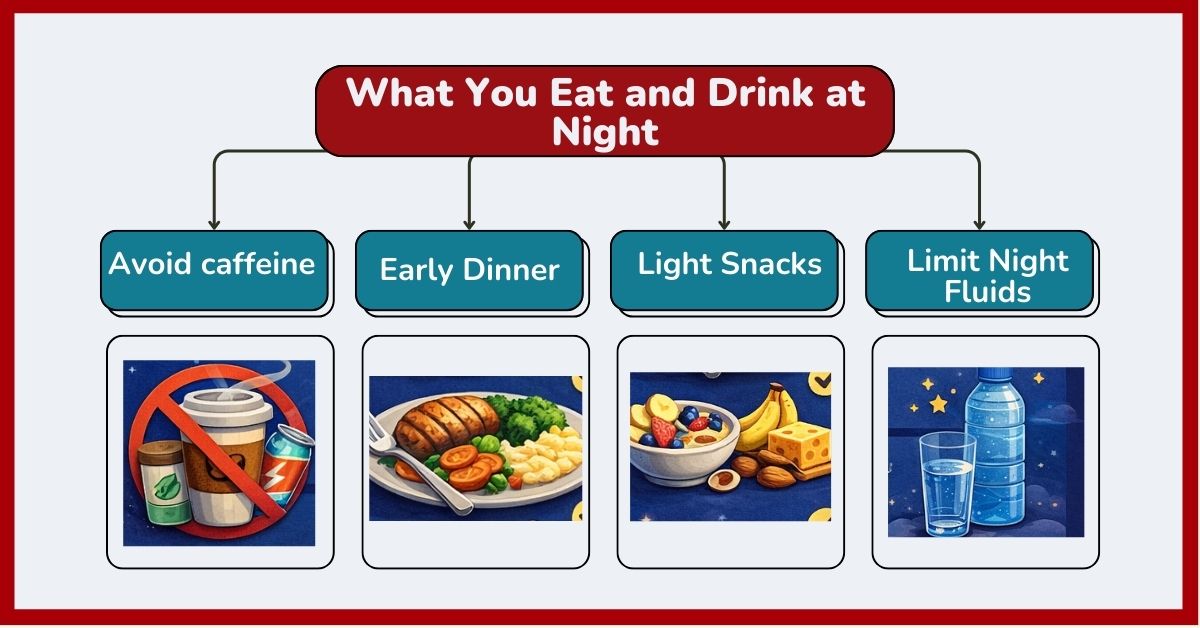
Smart evening choices
- Avoid caffeine at least six hours before sleep
- Eat dinner two to three hours before bedtime
- Choose light snacks if you feel hungry
- Drink water but avoid excessive fluids late at night
Some people feel sleepy after alcohol. Alcohol can help you fall asleep quickly, but it often disrupts deep sleep later in the night.
Your evening diet should support rest, not disturb it.
Manage Stress and Mental Overload
A busy world creates constant mental pressure. Work deadlines, financial worries, and social expectations keep the brain active.
Many people lie in bed thinking about unfinished tasks.
Sleep becomes difficult when your mind refuses to slow down.
Ways to calm the mind
- Write a short to-do list for the next day
- Practice meditation or deep breathing
- Try light stretching or yoga
- Avoid intense work discussions late at night
Even five minutes of quiet breathing can reduce mental tension.
Ask yourself this question. When you lie down at night, is your mind calm or still running through the day's problems?
Your answer reveals the role stress plays in your sleep.
Consultation at Bombay Hospital and Medical Research Centre
Mumbai stands as a centre for quality medical care not only across India but also across South Asia. The city has a long medical history. Located in South Mumbai is the Bombay Hospital and Medical Research Centre, known as one of the major medical hubs in the country.
Bombay Hospital offers medical services across many departments. These include Cardiology, Cardiovascular Thoracic Surgery, Endocrinology, Gastroentrology, Nephrology, Neurology, Neurosurgery, Paediatric Surgery, Plastic Surgery, Pulmonary Medicine, Rheumatology, Speciality care, Urology, and Oncology.
Patients who experience sleep disturbances, fatigue, breathing issues during sleep, or stress related health concerns can consult specialists at the hospital.
Patients can book an appointment by calling the hospital helpdesk or by reaching out through the official communication channels of Bombay Hospital.
Bombay Hospital
12, Vitthaldas Thackersey Marg, near Liberty Cinema, New Marine Lines,
Marine Lines, Mumbai, Maharashtra 400020.
FAQs
Most adults need seven to nine hours of sleep each night. The exact number varies from person to person. Consistent sleep matters more than occasional long sleep.
Poor sleep quality may be the reason. Stress, sleep apnea, irregular sleep timing, or excessive screen use can disturb deep sleep.
Yes. Regular physical activity helps regulate sleep patterns. Try to exercise earlier in the day. Intense workouts close to bedtime may keep you alert.
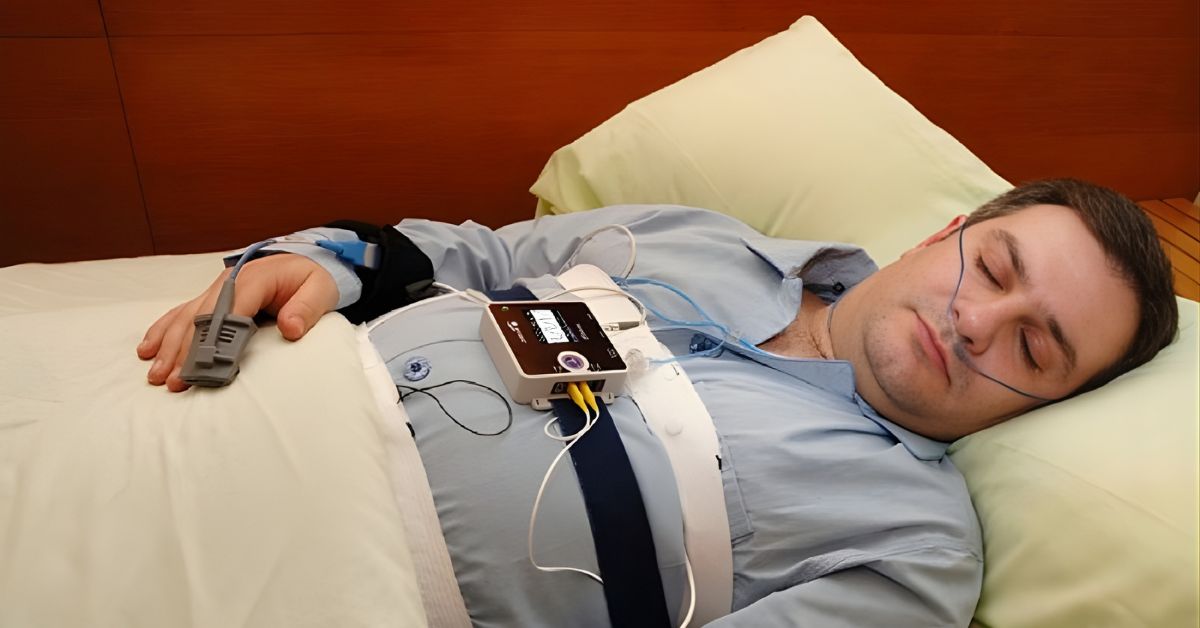
Sleep apnea is a condition where breathing stops and starts during sleep. It can cause loud snoring, fatigue, and daytime sleepiness. Medical evaluation is necessary if symptoms appear.
Yes. Blue light from screens reduces melatonin levels. This delays sleep and reduces sleep depth.
Conclusion
Good sleep supports physical health, mental clarity, and emotional balance. Many people struggle with sleep because modern life never slows down. Small changes can improve rest. Follow a regular sleep schedule. Reduce screen time at night. Build a calm bedtime routine. Create a comfortable sleep environment. Watch your evening diet and manage stress.
If sleep problems continue, medical guidance helps identify the cause. Doctors can evaluate sleep disorders and suggest treatment plans that improve long-term health. Prioritizing sleep today can protect your health for years to come.