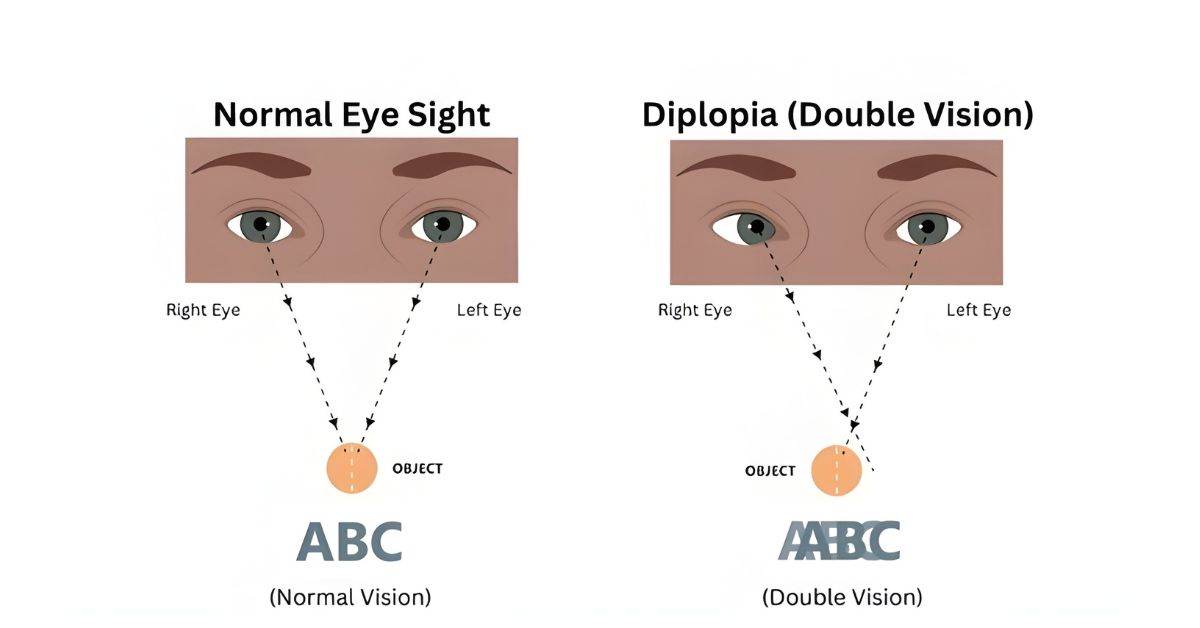
Diplopia, commonly known as double vision, is a condition where an individual perceives two images of a single object. While it may seem like a minor inconvenience, it can significantly impact one's daily life and activities. Understanding the causes, symptoms, and treatment options for diplopia is essential for those affected by the condition. This blog will delve into what diplopia is, its causes, how to recognize its symptoms, and the treatment options available. If you are experiencing diplopia, consulting anophthalmologist in Mumbai can provide you with the necessary guidance and treatment.
What is Diplopia?
Diplopia refers to the simultaneous perception of two images of a single object, which can occur either intermittently or continuously. It can be classified into two types: monocular diplopia, where double vision occurs in one eye even when the other eye is closed, and binocular diplopia, where double vision appears only when both eyes are open. Binocular diplopia is typically more common and is usually caused by an issue with the alignment of the eyes or their coordination. For those experiencing binocular diplopia, it is advisable to consult an ophthalmologist in Mumbai for accurate diagnosis and treatment options.
This condition can range from mild and temporary to severe and chronic, often affecting one's ability to drive, read, or even walk without discomfort. Diplopia can be a sign of a more serious underlying health condition, such as a neurological disorder, making early diagnosis and treatment by an ophthalmology department essential for effective management.
Causes of Diplopia
Diplopia can result from various factors, affecting either the eyes themselves or the neural pathways that control eye movement. Some common causes of diplopia include:
- Strabismus (Crossed Eyes): This is one of the most common causes of binocular diplopia. Strabismus occurs when the eyes are not properly aligned, causing them to focus on different points in space.
- Neurological Disorders: Conditions such as brain tumors, aneurysms, or strokes can affect the parts of the brain responsible for coordinating eye movement, leading to double vision.
- Diabetic Neuropathy: People with diabetes may develop nerve damage that affects the muscles controlling eye movement, resulting in diplopia.
- Trauma or Injury: Injuries to the head or eye socket can affect the eye muscles or nerves, leading to misalignment of the eyes and double vision.
- Cataracts: In monocular diplopia, cataracts can cause light to scatter as it passes through the cloudy lens, leading to double vision in one eye.
- Thyroid Eye Disease: This condition occurs when the thyroid gland causes inflammation in the tissues around the eyes, affecting eye movement and alignment.
- Multiple Sclerosis: MS can interfere with the nerve signals between the brain and eyes, leading to double vision.
- Myasthenia Gravis: This is a neuromuscular disorder that weakens the eye muscles, causing difficulty in focusing the eyes, often leading to diplopia.
Symptoms of Diplopia
The primary symptom of diplopia is the experience of seeing two images of a single object, but other symptoms may accompany it, depending on the underlying cause. Some of the most common symptoms include:
- Double Vision: The most obvious symptom, where you see two images of the same object.
- Eye Strain: Due to the misalignment of the eyes, your eye muscles may become fatigued, leading to discomfort or pain around the eyes.
- Headaches: Struggling to focus can result in headaches, as the brain works harder to correct the double vision.
- Blurred Vision: Often seen in cases of monocular diplopia, where the image appears unclear or fuzzy in one eye.
- Difficulty with Depth Perception: Diplopia can interfere with depth perception, making it difficult to judge distances accurately.
If you experience any of these symptoms, especially if they persist, it is important to seek medical attention promptly, as diplopia can be indicative of a serious underlying health issue.
Treatment Options for Diplopia
The treatment for diplopia depends on its underlying cause. A thorough examination by an ophthalmologist in Mumbai or neurologist is crucial for identifying the source of the problem. Treatment options can include:
- Corrective Lenses: For cases caused by refractive errors, such as astigmatism, corrective lenses can help eliminate double vision.
- Prism Lenses: Prism lenses are special glasses that can align the images seen by the eyes, reducing or eliminating the sensation of double vision.
- Eye Exercises: In some cases, especially with binocular diplopia caused by strabismus, eye exercises or vision therapy can help strengthen the eye muscles and improve alignment.
- Surgery: In more severe cases, surgery may be required to correct eye misalignment. Strabismus surgery, for example, repositions the muscles that control eye movement to restore proper alignment.
- Botox Injections: Botox can be used to temporarily paralyze the eye muscles, helping to correct misalignment and reduce double vision.
- Treatment for Underlying Conditions: If diplopia is caused by a neurological condition, such as multiple sclerosis or a brain tumor, treating the underlying disorder is essential for alleviating the double vision.
- Steroids or Immunosuppressive Therapy: For conditions like thyroid eye disease or myasthenia gravis, medications such as steroids or immunosuppressive drugs may be prescribed to reduce inflammation and improve eye muscle function.
- Surgical Correction for Cataracts: If cataracts are causing monocular diplopia, cataract surgery may be necessary to restore clear vision.
Consultation
Bombay Hospital and Medical Research Centre, Specializing in a range of fields such as Cardiology, Cardiovascular Thoracic Surgery, Endocrinology, Gastroenterology, Neurology, Neurosurgery, and more, the hospital is equipped with state-of-the-art facilities. If you are seeking treatment for diplopia or other ophthalmic conditions, the Bombay Hospital offers expert care through its ophthalmology department, staffed by some of the best ophthalmologists in Mumbai.
For consultations or to book an appointment.
FAQs
Yes, diplopia can be caused by serious medical conditions, including neurological disorders, brain tumors, or strokes. It's important to seek medical attention if you experience double vision.
Not always. Diplopia can be temporary, depending on the cause. For example, double vision caused by a mild injury may resolve on its own, while other causes may require long-term treatment.
An ophthalmologist in Mumbai will perform a thorough eye examination, which may include tests to check eye alignment, vision clarity, and brain function to determine the cause of diplopia.
In some cases, eye exercises may help improve eye alignment and reduce symptoms, especially for binocular diplopia caused by strabismus. However, more serious conditions may require other treatments.
While some mild cases of diplopia may improve with rest or proper eye care, it is important to consult a healthcare professional for a proper diagnosis and treatment plan.
Conclusion
Diplopia is a condition that can disrupt your daily life, but with proper diagnosis and treatment, it is manageable. From corrective lenses to more advanced treatments like surgery or medication, a variety of options are available to address the root causes of double vision. If you experience any of the symptoms of diplopia, it is essential to consult a qualified ophthalmologist in Mumbai. Early intervention can make a significant difference in your quality of life and vision. Take proactive steps to seek treatment and improve your eye health today.