Introduction
Heart disease is one of the leading causes of death worldwide, and blocked heart arteries are a
significant contributor to this condition. But what does it really mean to have blocked arteries? Is it
something only older adults face, or could it be an issue for you too? In this blog, we will clear up
common myths, provide crucial facts about blocked heart arteries, and share actionable tips to help you
prevent this life-threatening condition. Whether you're at risk or simply want to learn more, keep
reading to understand the causes, symptoms, and ways to protect your heart. For expert care and
treatment, visit a top Cardiology hospital in Mumbai.
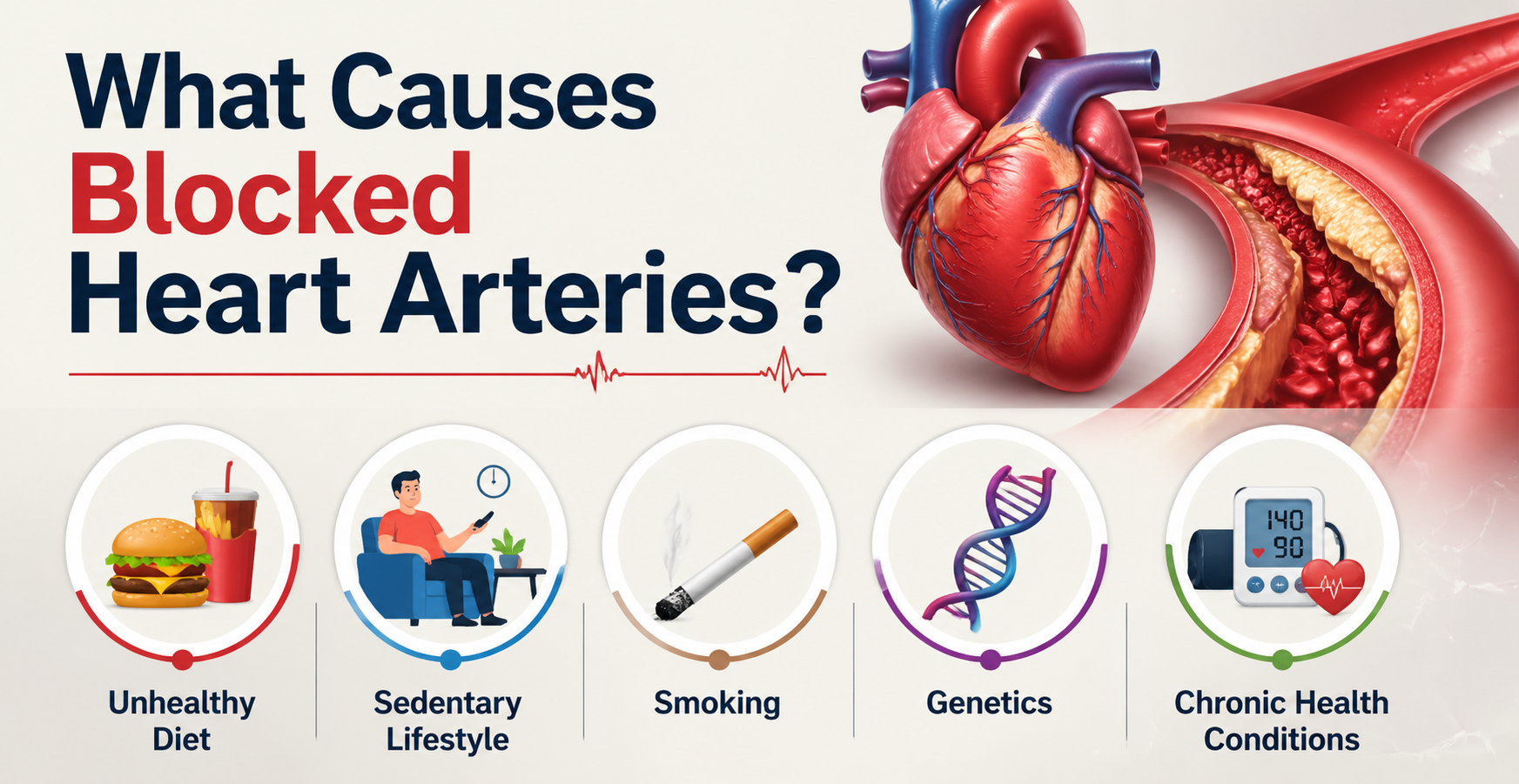
What Causes Blocked Heart Arteries?
Blocked heart arteries, or coronary artery disease (CAD), happen when fatty deposits,
cholesterol, and other substances build up in the walls of the arteries that supply
blood to your heart. This buildup forms plaque, which narrows and stiffens the arteries,
restricting blood flow. Over time, this can lead to severe heart problems, including
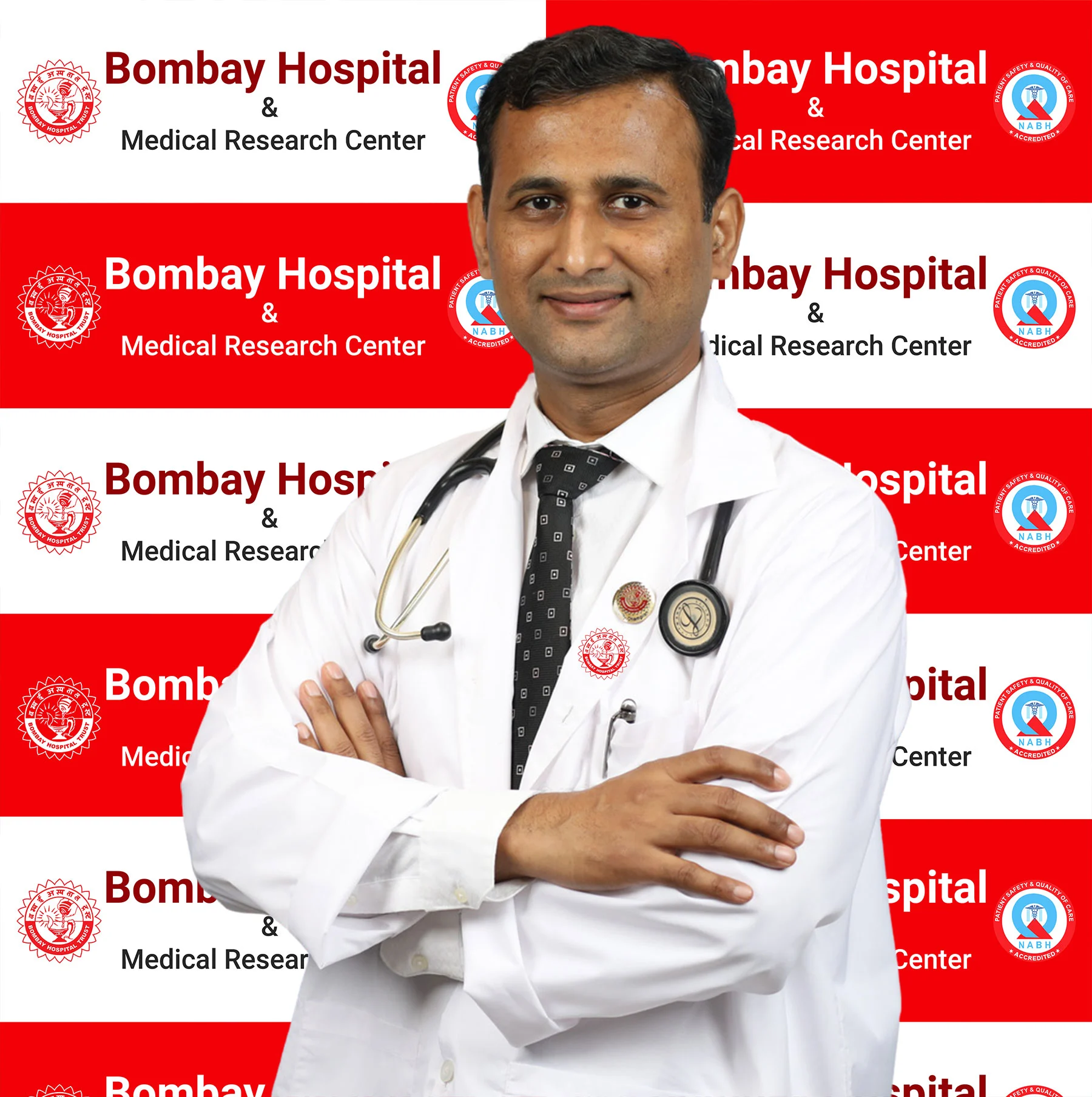
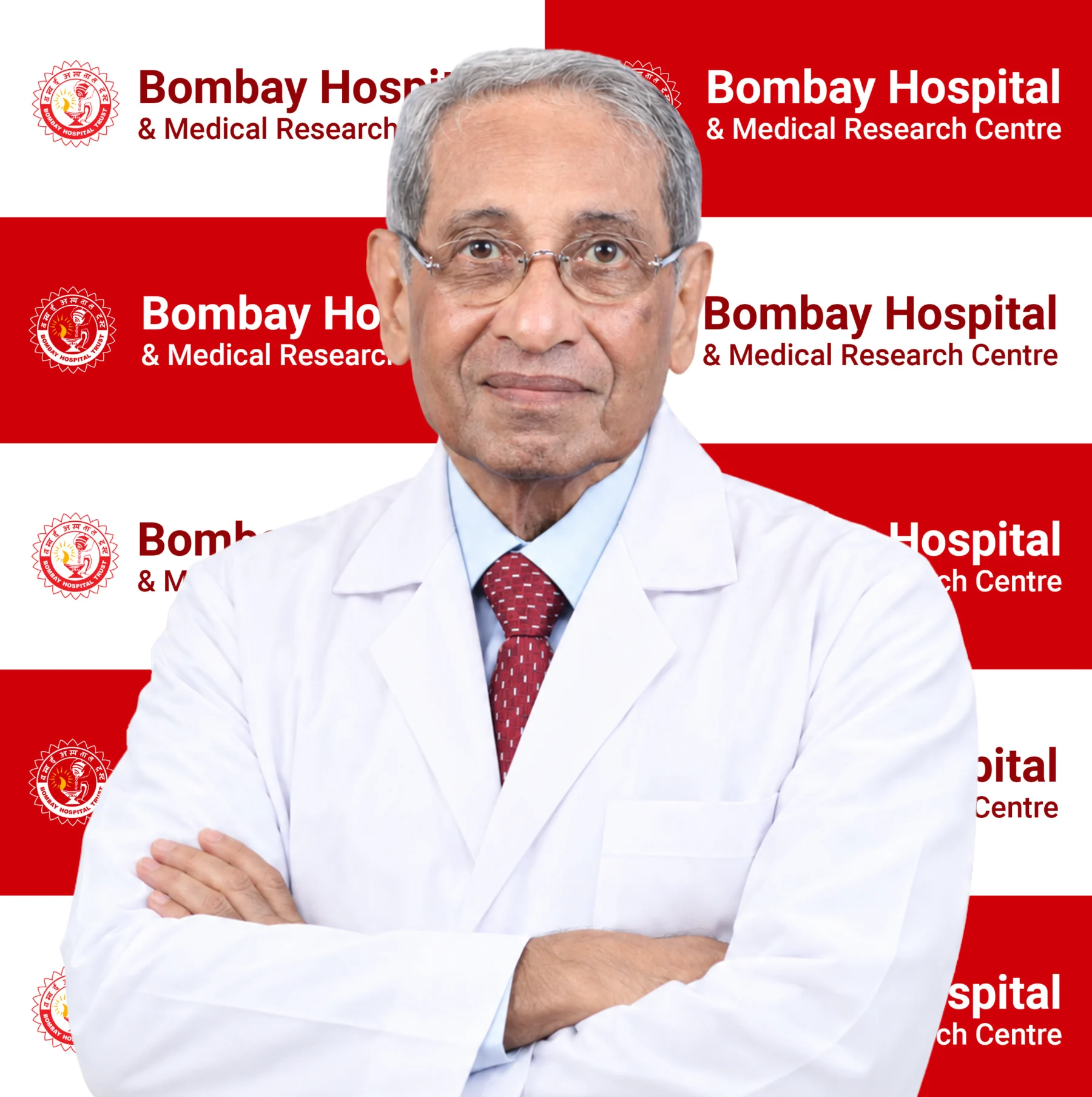
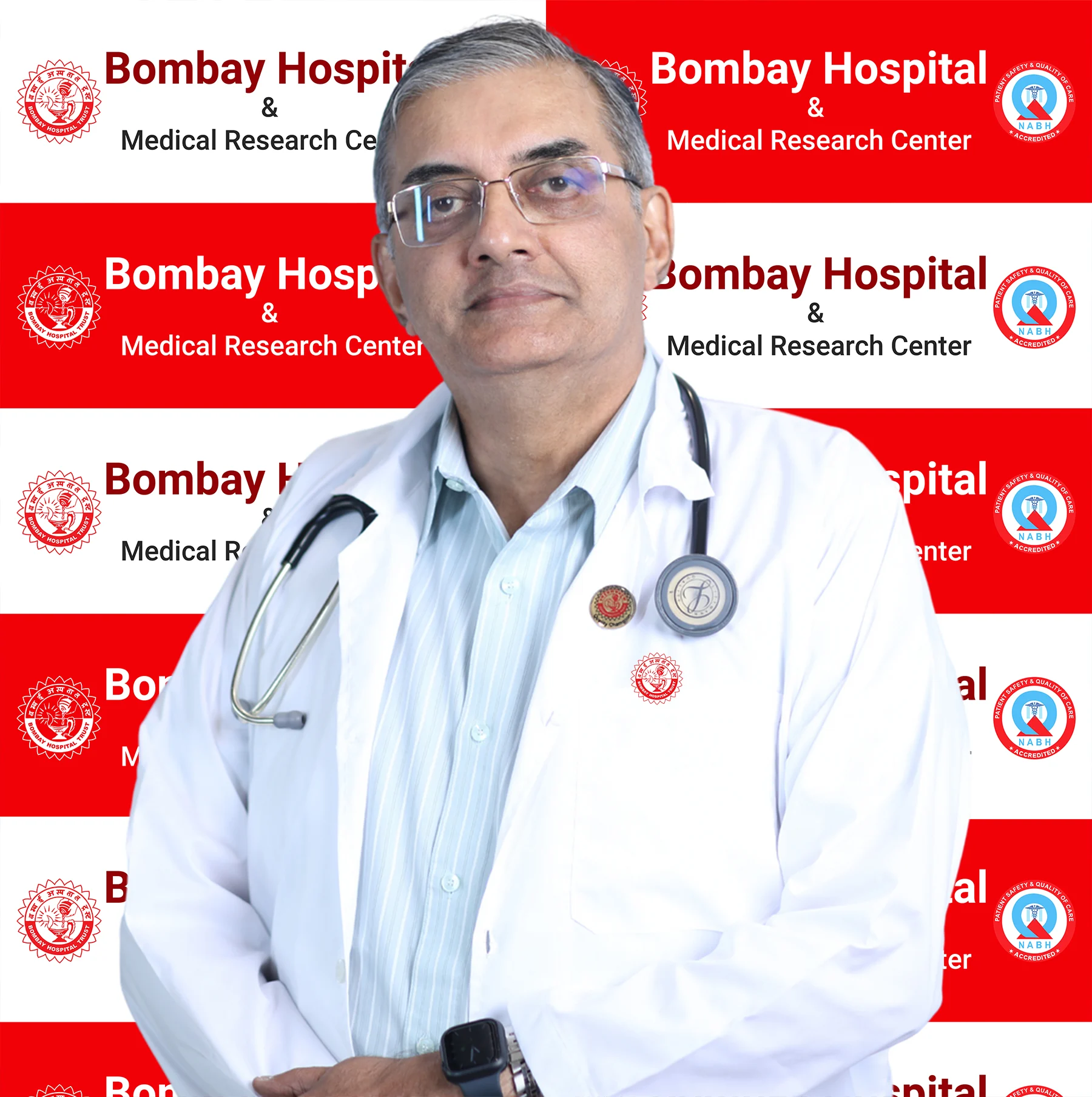
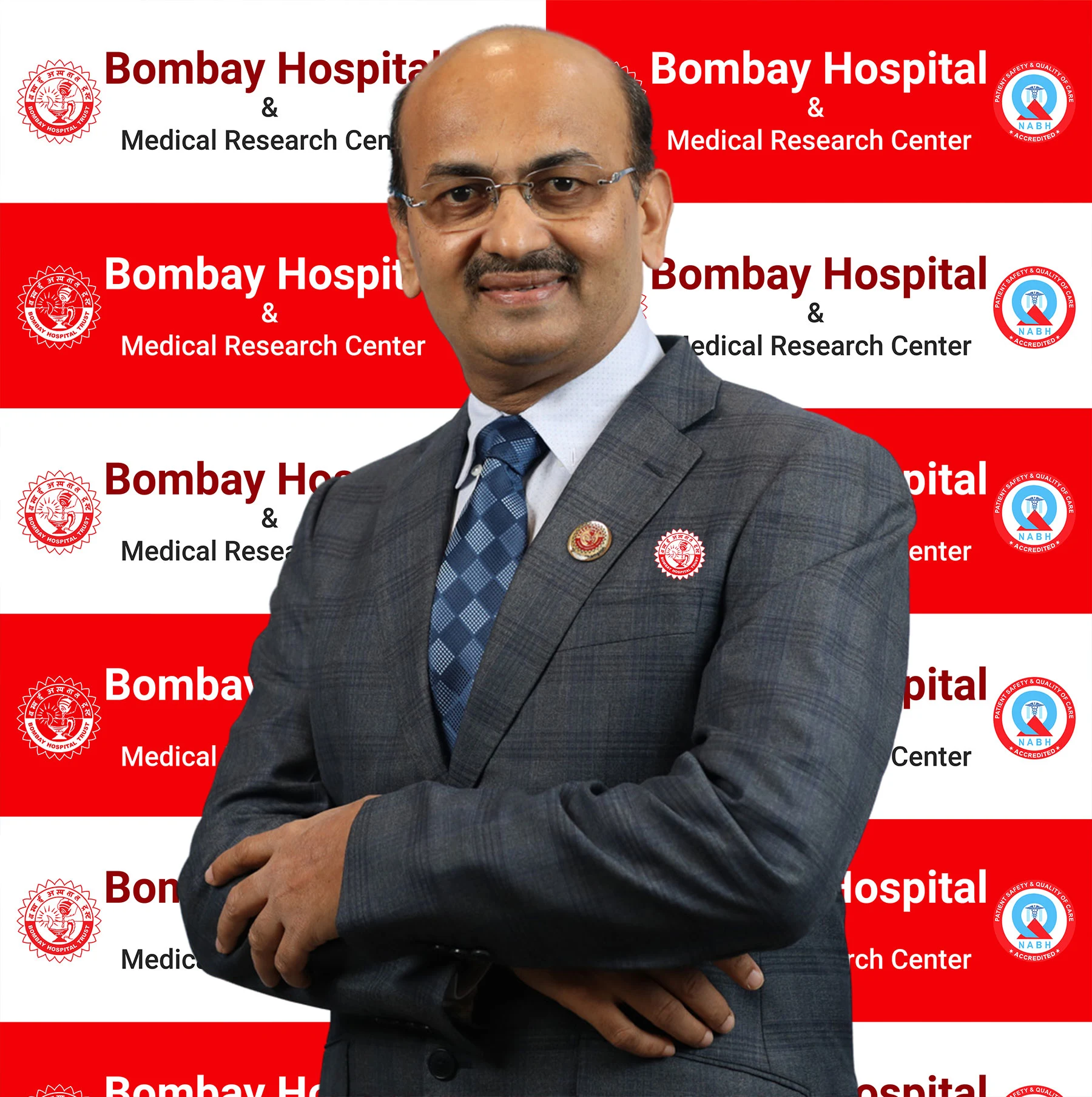
heart attacks. If you are concerned about your heart health, consulting a cardiologist
in Mumbai can help with early detection and effective treatment.
Several factors contribute to the buildup of
plaque:
- Unhealthy Diet: Eating too much saturated fat, salt, and sugar can
accelerate plaque buildup in the arteries. High cholesterol foods like red meat,
processed foods, and fried snacks contribute to this process.
- Sedentary Lifestyle: Lack of physical activity can lead to weight
gain, high blood pressure, and high cholesterol, all of which increase the risk of
blocked arteries.
- Smoking: Smoking damages the blood vessels and speeds up plaque
buildup. It also raises blood pressure and reduces the oxygen in the blood, further
stressing the heart.
- Genetics: A family history of heart disease can increase your risk.
If heart disease runs in your family, it’s essential to be extra cautious and take
preventive measures.
- Chronic Health Conditions: Diabetes, hypertension, and high
cholesterol increase the likelihood of developing blocked arteries. These conditions
damage blood vessels, making it easier for plaque to form.
Common Myths About Blocked Heart Arteries
There are many misconceptions about blocked heart arteries that can prevent people from
recognizing the risks early on. Let’s debunk some of the most common myths:
- Myth: Blocked arteries only affect older adults.
Fact: While the risk increases with age, coronary artery disease can affect
younger individuals, especially those with poor lifestyle habits or a family history of
heart disease.
- Myth: Chest pain is the only symptom of blocked arteries.
Fact: Many people with blocked arteries experience no symptoms at all in
the early stages. Other signs such as shortness of breath, fatigue, dizziness, and nausea
are also common.
- Myth: A blocked artery always leads to a heart attack.
Fact: Blocked arteries can lead to a variety of complications, not just
heart attacks. Some people with blocked arteries may experience arrhythmias, heart failure,
or even sudden cardiac arrest.
- Myth: Only people who are overweight or obese are at risk.
Fact: While being overweight is a risk factor, thin people can also develop
blocked arteries. High cholesterol and smoking play a significant role in the development of
plaque.
- Myth: Heart disease only affects men.
Fact: Both men and women are at risk for heart disease, though women may
experience different symptoms. Women may not always experience chest pain, making the
condition harder to diagnose.
Facts About Blocked Heart Arteries
Let’s take a closer look at the facts surrounding blocked heart arteries, so you can better
understand how serious the issue is and how to manage your risk:
- It Can Be Silent: Blocked heart arteries often develop without noticeable
symptoms. This condition can progress for years, with individuals not realizing they have
CAD until it leads to severe symptoms, such as a heart attack.
- It’s a Progressive Disease: Atherosclerosis, the process of plaque buildup
in the arteries, is slow. It begins with tiny deposits that grow over time. In some cases,
it can take decades for the blockages to become severe enough to cause problems.
- It Can Lead to Severe Complications: If left untreated, blocked arteries
can lead to heart attacks, stroke, or even heart failure. The decreased blood flow can
severely damage the heart muscle, making it less effective at pumping blood.
- It’s Preventable: While genetics play a role, most cases of blocked
arteries are preventable with lifestyle changes. Healthy eating, regular exercise, and
avoiding smoking can significantly reduce your risk.
- Treatment Is Available: If the arteries become severely blocked, there are
effective treatments, such as angioplasty, stent placement, and coronary artery bypass
grafting (CABG), to restore blood flow to the heart.
Prevention Tips for Blocked Heart Arteries
Preventing blocked heart arteries is possible, and it starts with adopting a heart-healthy
lifestyle. Here are some practical steps you can take to reduce your risk:
- Eat a Heart-Healthy Diet: Focus on foods that promote heart health, such as
fruits, vegetables, whole grains, and lean proteins. Avoid processed foods and foods high in
saturated fats and cholesterol. Try to incorporate heart-healthy fats like those found in
avocados, olive oil, and fatty fish.
- Exercise Regularly: Regular physical activity strengthens the heart and
improves circulation. Aim for at least 150 minutes of moderate exercise per week, such as
brisk walking, cycling, or swimming. This can help maintain a healthy weight and reduce
blood pressure.
- Quit Smoking: Smoking is one of the most significant risk factors for heart
disease. If you smoke, quitting can have an immediate positive effect on your heart health.
Within a year of quitting, your risk of heart disease decreases significantly.
- Maintain a Healthy Weight: Being overweight or obese increases your risk of
developing high blood pressure, high cholesterol, and diabetes—conditions that contribute to
blocked arteries. Achieving and maintaining a healthy weight can help reduce these risks.
- Manage Stress: Chronic stress can contribute to high blood pressure and
unhealthy behaviors like overeating or smoking. Stress management techniques like
meditation, yoga, or deep breathing exercises can help reduce the negative effects of
stress.
- Get Regular Check-ups: Regular visits to your doctor can help monitor your
cholesterol levels, blood pressure, and overall heart health. Early detection of high
cholesterol, high blood pressure, or other risk factors allows you to take steps to manage
them before they lead to blocked arteries.
Consultation at Bombay Hospital, Mumbai
Bombay Hospital and Medical Research Centre, one of the most renowned hospitals in India. Bombay
Hospital offers expert consultation across a wide range of specialties, including Cardiology &
Cardiovascular Thoracic Surgery, Endocrinology, Gastroenterology, Nephrology, Neurology &
Neurosurgery, Paediatric Surgery, Plastic Surgery, Pulmonary Medicine, Rheumatology, Urology,
and Oncology. With a team of highly skilled specialists and state-of-the-art facilities, the
hospital provides comprehensive care tailored to meet the needs of each patient.
Bombay Hospital
12, Vitthaldas Thackersey Marg, New Marine Lines,
Marine Lines, Mumbai, Maharashtra 400020.
FAQs
The most common symptoms include chest pain, shortness of breath, and fatigue. However,
it’s possible to have blocked arteries without any symptoms. Regular check-ups are
crucial for early detection.
While diet alone cannot reverse blocked arteries, it can slow down the progression of
atherosclerosis and prevent further blockages. Combining a healthy diet with exercise
can significantly reduce the risk of complications.
Not always. In some cases, medications and lifestyle changes can manage the condition.
However, severe blockages may require procedures like angioplasty or coronary artery
bypass surgery.
Chronic stress contributes to high blood pressure, which in turn increases the risk of
blocked arteries. Managing stress through relaxation techniques can help protect your
heart.
It’s recommended to check your cholesterol levels at least once every 4-6 years. If you
have risk factors such as a family history of heart disease, more frequent monitoring
may be necessary.
Conclusion
Blocked heart arteries are a serious health concern, but the good news is they are preventable and
manageable with the right lifestyle choices. By adopting a heart-healthy diet, exercising regularly,
and seeking medical care when needed, you can significantly reduce your risk of heart disease. Don’t
wait for symptoms to appear—take proactive steps today to protect your heart for a healthier
tomorrow.