Air pollution is no longer limited to industrial zones or crowded highways. It has become part of daily
life, especially in cities. You breathe it in while commuting, working, or even at home. But what is it
really doing to your lungs?
Your lungs are designed to take in clean air and supply oxygen to your body. When polluted air enters,
it can disturb this process and cause long-term damage. In this blog, you will learn how air pollution
affects your lungs, the symptoms to watch for, and when you should consult a pulmonologist in Mumbai.
What Is Air Pollution and What Does It Contain?
Air pollution is a mix of harmful particles and gases present in the air. These
pollutants come from vehicles, factories, construction sites, and even household
sources, and are a major concern in pulmonary medicine as they directly impact
lung health.
Common pollutants include:
- Particulate Matter (PM2.5 and PM10): Tiny particles that enter deep into your lungs
- Nitrogen dioxide (NO₂): Released from vehicles and power plants
- Sulfur dioxide (SO₂): Produced by burning fossil fuels
- Carbon monoxide (CO): A toxic gas from incomplete combustion
- Ozone (O₃): Forms when sunlight reacts with pollutants
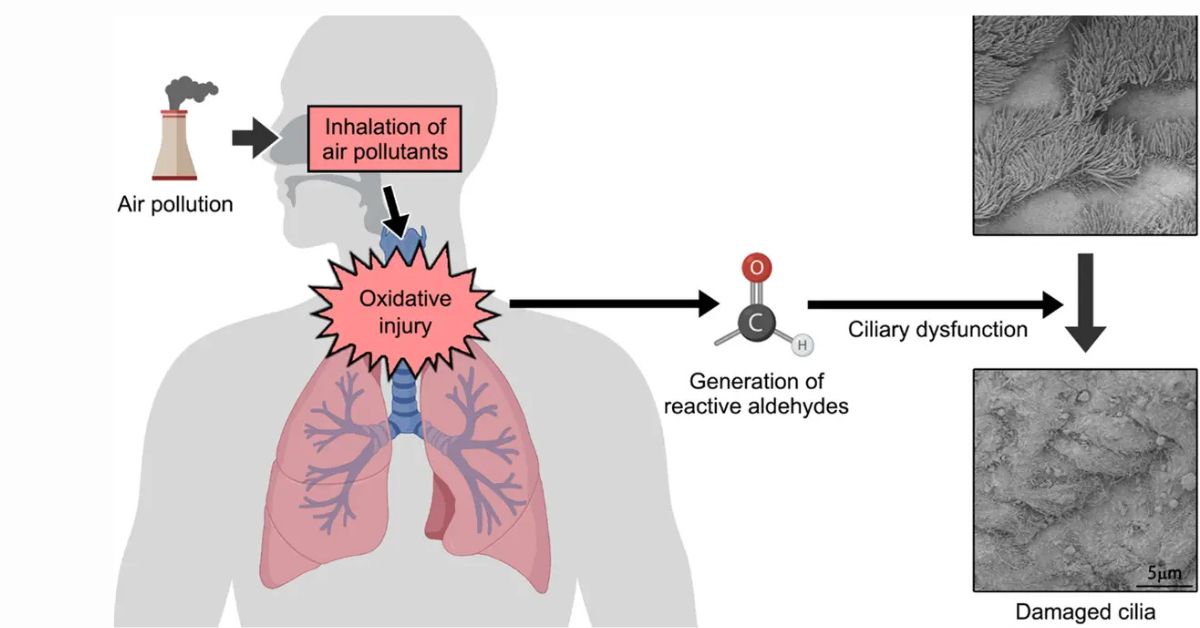
These pollutants are small enough to bypass your body's natural defenses. Over time,
they start affecting lung tissues and breathing patterns.
How Air Pollution Damages Your Lungs
Your lungs have natural filters like nasal hair and mucus. These help trap larger particles.
Fine particles, though, slip through and reach deep into the lungs.
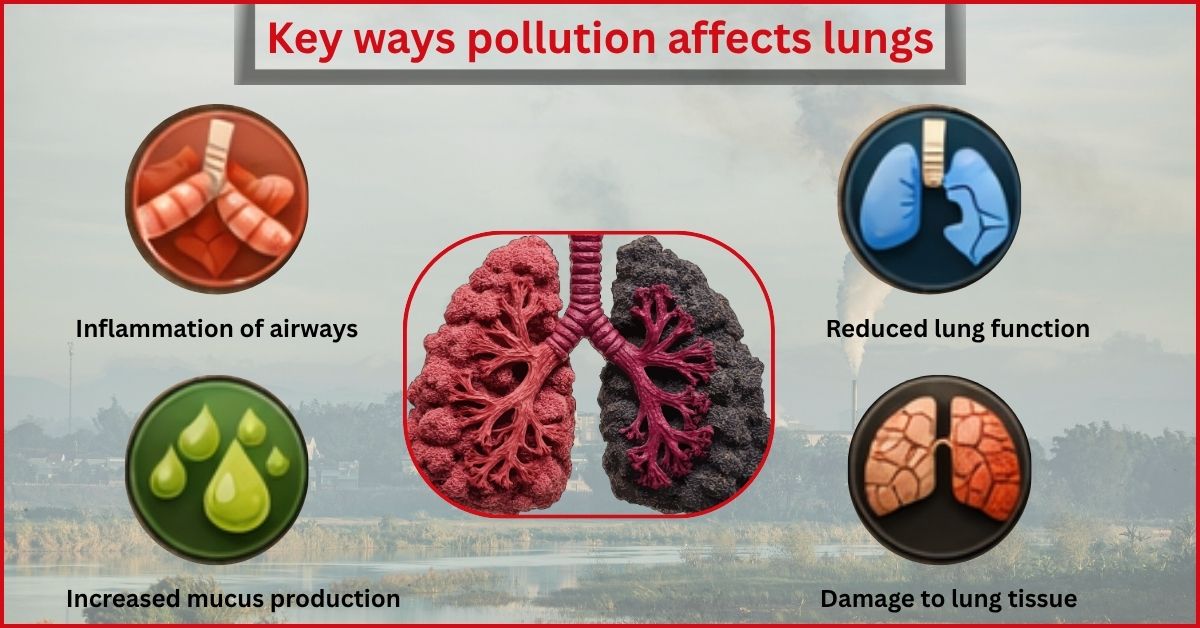
Key ways pollution affects your lungs:
1. Inflammation of airways
Polluted air irritates your airways. This leads to swelling and discomfort. You may feel
tightness in your chest or difficulty breathing.
2. Reduced lung function
Long-term exposure can reduce how well your lungs work. You may notice you get tired
quickly while walking or climbing stairs.
3. Increased mucus production
Your body produces more mucus to trap pollutants. This can lead to persistent coughing
and throat irritation.
4. Damage to lung tissue
Fine particles can damage the delicate lining of your lungs. This may lead to long-term
respiratory issues.
Respiratory Conditions Linked to Air Pollution
Air pollution does not just irritate your lungs. It can also trigger or worsen serious
respiratory diseases.
Common conditions include:
Asthma
Pollution can trigger asthma attacks. You may experience wheezing, shortness of breath, and
chest tightness.
Chronic Obstructive Pulmonary Disease (COPD)
Long-term exposure increases the risk of COPD. This condition makes it hard to
breathe and often worsens over time.
Lung infections
Polluted air weakens your immune system. This makes it easier for infections like bronchitis and
pneumonia to develop.
Lung cancer
Continuous exposure to harmful particles increases the risk of lung cancer, even in non-smokers.
Signs Your Lungs Are Affected by Pollution
You may not notice the damage right away. Symptoms often develop slowly.
Watch for these signs:
- Frequent coughing
- Shortness of breath during daily activities
- Wheezing or noisy breathing
- Chest tightness
- Burning sensation in the throat
- Increased fatigue
Do you often feel breathless after a short walk? Or notice a lingering cough that does not go
away? These could be early warning signs.
Who Is at Higher Risk?
Air pollution affects everyone, but some people face higher risks.
High-risk groups include:
- Children with developing lungs
- Elderly individuals
- People with asthma or COPD
- Smokers
- Outdoor workers exposed to pollution daily
If you fall into any of these groups, it is important to take extra precautions.
Practical Steps to Protect Your Lungs
You cannot completely avoid air pollution, but you can reduce its impact.
Here are simple steps you can follow:
1. Check air quality levels
Use apps or local reports to monitor air quality. Limit outdoor activities when
pollution levels are high.
2. Wear a mask
Use a good-quality mask like N95 when stepping out in polluted areas.
3. Improve indoor air quality
Keep windows closed during peak pollution hours. Use air purifiers if possible.
4. Stay hydrated
Drinking water helps your body clear toxins more effectively.
5. Add lung-friendly foods
Include fruits rich in antioxidants like oranges, berries, and leafy greens.
6. Avoid smoking
Smoking combined with pollution increases lung damage.
When Should You See a Pulmonologist?
You should not ignore persistent symptoms. Early care can prevent serious complications.
Consult a specialist if you notice:
- Chronic cough lasting more than 2 weeks
- Frequent breathing difficulty
- Repeated chest infections
- Sudden worsening of asthma
A pulmonologist can assess your lung function and guide you with the right treatment plan.
Introduction for Consultation
The city has a long history of advanced healthcare services. Located in South Mumbai, the Bombay
Hospital and Medical Research Centre stands as one of the key medical institutions in the
country.
Today, it offers expertise across multiple specialties including Cardiology, Cardiovascular Thoracic Surgery, Endocrinology, Gastroentrology, Nephrology, Neurology,
Neurosurgery, Paediatric Surgery, Plastic Surgery, Pulmonary Medicine, Rheumatology, Speciality,
Urology, and Oncology.
Patients can visit Bombay
Hospital in Mumbai. International patients can connect via marketing@bombayhospital.com.
Bombay Hospital
12, Vitthaldas Thackersey Marg, New Marine Lines,
Marine Lines, Mumbai, Maharashtra 400020.
FAQs
Yes, long-term exposure can damage lung tissues and reduce lung capacity. Early care can
help slow this process.
Not always. Indoor air can also contain pollutants from cooking, dust, and chemicals.
Good ventilation helps improve air quality.
You can use mobile apps or government websites that provide real-time air quality index
(AQI) updates.
Yes, masks like N95 can filter out fine particles and reduce the amount of pollution you
inhale.
Yes, even healthy individuals can experience symptoms like irritation, coughing, and
reduced lung function over time.
Conclusion
Air pollution is a daily risk that often goes unnoticed until symptoms appear. Your lungs work
constantly to keep you alive, and they need protection. Small steps like monitoring air quality,
wearing a mask, and improving indoor air can make a real difference.
If you notice any warning signs, do not ignore them. Timely consultation with a pulmonologist can
help protect your lung health and improve your quality of life.