Common Symptoms of a Stomach Ulcer
Stomach ulcers, also known as peptic ulcers, are painful sores that develop in the lining of the stomach
or the small intestine. They are more common than many people realize and can lead to serious
complications if left untreated. Recognizing the early symptoms is crucial for prompt treatment and
prevention of further complications. Gastroenterology , the branch of medicine that
deals
with digestive
system disorders, plays a key role in diagnosing and treating stomach ulcers. In this blog, we’ll dive
into the common signs of stomach ulcers, the importance of early detection, and where to seek help for
proper diagnosis and treatment.
Bombay Hospital offers expert consultation in Cardiology, Gastroenterology, Pulmonary Medicine ,
and
more, making it a trusted choice for stomach-related concerns and overall well-being.
What Is a Stomach Ulcer?
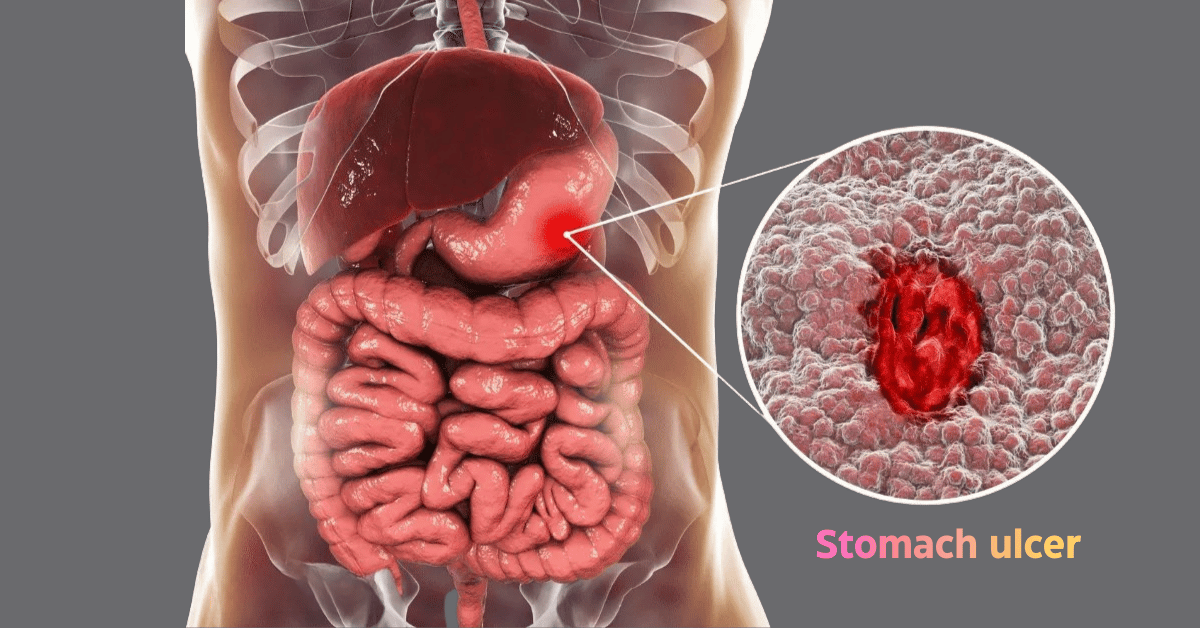
A stomach ulcer is an open sore or lesion that forms on the lining of the stomach or small
intestine. These ulcers typically occur when the balance between digestive acids and the
protective lining of the stomach is disrupted, often due to excessive acid production or
bacterial infections like Helicobacter pylori. The ulcer can cause discomfort and other
symptoms, some of which are mild but others may become severe over time.
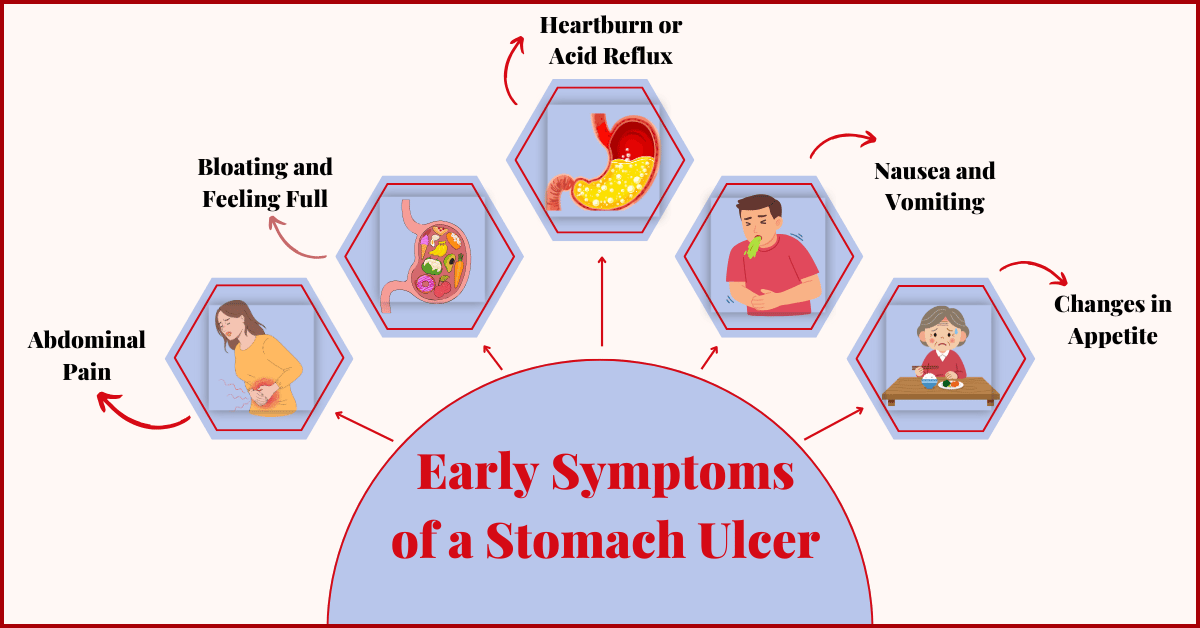
Early Symptoms of a Stomach Ulcer
Stomach ulcers can begin with subtle signs that are easy to overlook. Understanding the early
symptoms can help you seek treatment before the condition worsens.
Abdominal Pain or Discomfort
The most common symptom is a dull or burning pain in the stomach area, typically occurring a few
hours after eating or during the night. The pain may come and go, but it tends to worsen when
the stomach is empty.
Bloating and Feeling Full
People with stomach ulcers often experience bloating and feel unusually full after eating. This
sensation may be accompanied by nausea, making it uncomfortable to finish meals.
Heartburn or Acid Reflux
Frequent heartburn or acid reflux can be an indication of a stomach ulcer. The burning sensation
in the chest may be accompanied by a sour taste in the mouth, indicating that stomach acid is
flowing back into the esophagus.
Nausea and Vomiting
Some individuals with stomach ulcers feel nauseous or may vomit. In severe cases, vomiting may
contain blood or look like coffee grounds, indicating bleeding in the stomach.
Changes in Appetite
Loss of appetite is another common symptom. It may be a result of the discomfort caused by the
ulcer, which makes eating more difficult or less appealing.
Risk Factors and Causes of Stomach Ulcers
Certain factors increase the likelihood of developing a stomach
ulcer:
- Infection with H. pylori: This bacterial infection is one of the leading
causes of stomach ulcers.
- Prolonged Use of NSAIDs: Nonsteroidal anti-inflammatory drugs, such as
aspirin or ibuprofen, can irritate the stomach lining and increase the risk of ulcers.
- Excessive Alcohol Consumption: Heavy drinking can weaken the stomach
lining, making it more susceptible to ulcers.
- Smoking: Smoking increases stomach acid production and reduces the healing
process for ulcers.
- Stress: While stress itself doesn’t directly cause ulcers, it can worsen
symptoms or slow healing in people who already have ulcers.
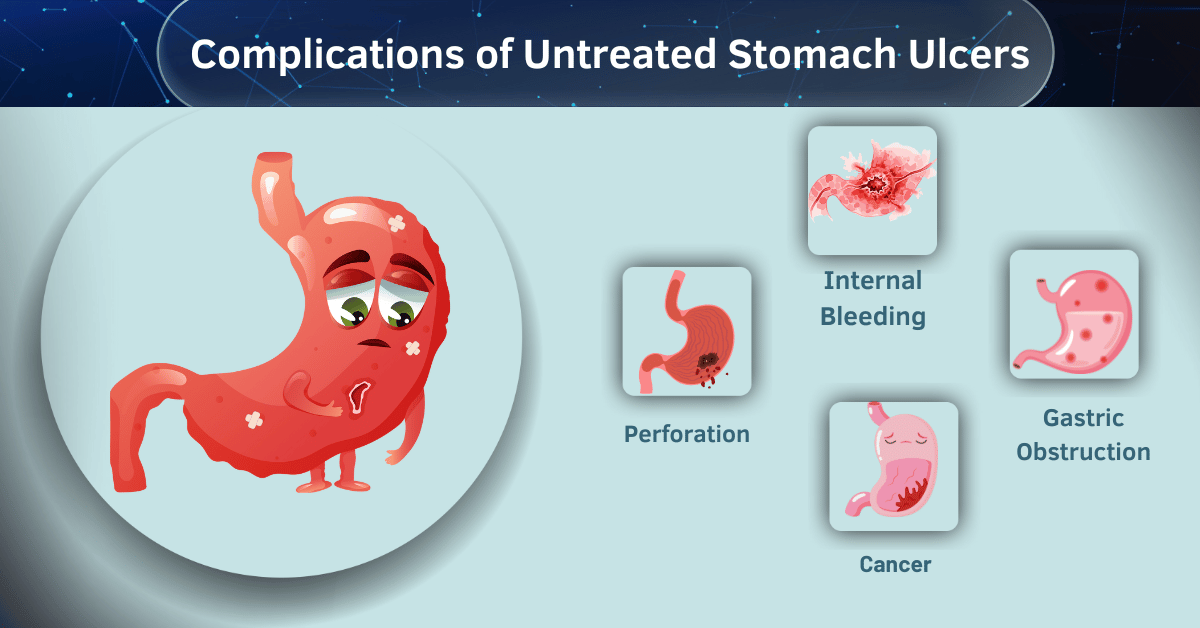
Complications of Untreated Stomach Ulcers
If left untreated, stomach ulcers can lead to severe complications:
- Internal Bleeding: One of the most serious complications, which can cause
vomiting blood or passing black, tarry stools.
- Perforation: A hole in the stomach or intestinal wall can develop, leading
to peritonitis, a life-threatening infection.
- Gastric Obstruction: The ulcer can block the passage of food, leading to
bloating, vomiting, and weight loss.
- Cancer: In rare cases, untreated ulcers caused by H. pylori infections can
increase the risk of stomach cancer.
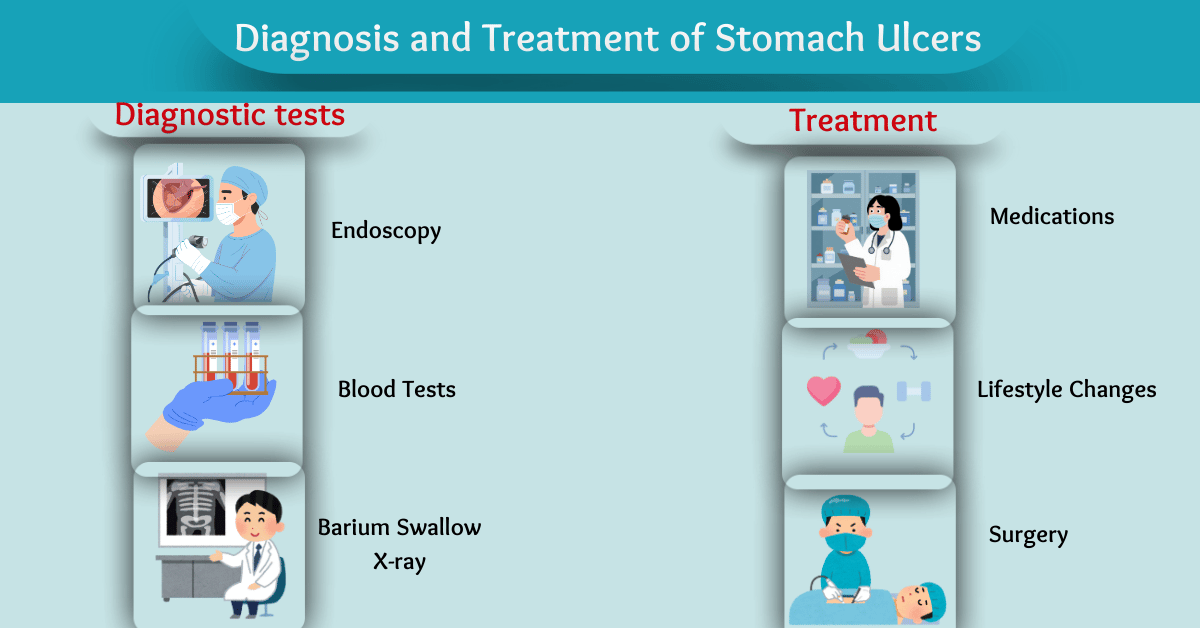
Diagnosis and Treatment
If you experience any of the symptoms mentioned, it’s important to consult with a doctor for
diagnosis and treatment. Your doctor may recommend several diagnostic tests, including:
- Endoscopy: A small tube with a camera is inserted into your stomach to
examine the ulcer.
- Blood Tests: To check for infection with H. pylori or anemia caused by
bleeding.
- Barium Swallow X-ray: This can help identify ulcers in the stomach or
duodenum.
Treatment for stomach ulcers typically includes:
- Medications: Proton pump inhibitors (PPIs), H2 blockers, or antacids to
reduce stomach acid and promote healing. If the ulcer is caused by H. pylori, antibiotics
may be prescribed.
- Lifestyle Changes: Avoiding NSAIDs, alcohol, and smoking can help reduce
irritation to the stomach lining.
- Surgery: In rare cases, surgery may be required if complications like
perforation occur.
Consulting a Specialist for Stomach Ulcers
If you suspect you have a stomach ulcer, it’s essential to seek professional medical help. Early
intervention can prevent complications and help manage symptoms effectively.
Mumbai, the centre for quality medical care, is home to some of the finest hospitals and medical
specialists in South Asia. One of the leading hospitals in the city is the Bombay Hospital and Medical
Research Centre, located in South Mumbai. The hospital has been a pioneer in providing
exceptional healthcare since its establishment in 1952. It offers world-class care in various
specialties, including Cardiology , Gastroenterology,
Nephrology, Neurology, Neurosurgery,
Oncology, and more.
To consult with a specialist at Bombay
Hospital, you can visit Hospital Directly
Bombay Hospital offers expert consultation in Cardiology, Gastroenterology, Pulmonary Medicine,
and more, making it a trusted choice for stomach-related concerns and overall well-being.
FAQs
The most common signs are abdominal pain, nausea, bloating, and heartburn. In severe
cases, vomiting blood or passing black stools may occur.
While stress doesn’t directly cause ulcers, it can worsen symptoms or slow healing in
people already affected.
Healing time depends on the severity of the ulcer and the treatment plan. Most ulcers
heal within 4 to 8 weeks with proper treatment.
Avoid spicy foods, caffeine, alcohol, and acidic foods that can irritate the stomach
lining.
You can reduce the risk by avoiding excessive alcohol, smoking, and the overuse of
NSAIDs. Managing stress and treating H. pylori infections can also help prevent ulcers.
If you experience persistent abdominal pain, nausea, or vomiting, it’s important to seek
medical attention. If you notice blood in your stool or vomit, seek immediate help.
Recognizing the early symptoms of a stomach ulcer can significantly improve your chances of
treatment and prevent serious complications. By paying attention to the warning signs, such as
stomach pain, bloating, and heartburn, you can address the issue before it worsens. Remember,
seeking professional medical advice is essential to ensure proper diagnosis and treatment.
If you experience any symptoms related to stomach ulcers, do not hesitate to consult a healthcare
professional at a trusted institution like Bombay
Hospital. Early treatment is key to maintaining your health and well-being.