What Is Liver Cirrhosis and How Can It Be Prevented?

Introduction

Liver cirrhosis is advanced scarring of the liver caused by long-term injury. Healthy liver cells are gradually replaced by scar tissue, which can affect digestion, blood filtration and other essential functions. Cirrhosis may develop without clear symptoms, so many people discover it during a routine check-up or an investigation for another health problem. Learning about its causes, symptoms, diagnosis and prevention can help you take action before serious complications develop.

What Happens During Liver Cirrhosis?

The liver can repair itself after a mild injury. Repeated inflammation changes this healing process. Instead of replacing damaged cells with healthy tissue, the liver forms bands of scar tissue. These scars disrupt the liver’s normal structure and restrict blood flow through it.

As the scarring increases, the liver may struggle to remove waste, produce proteins that help blood clot and manage nutrients. Pressure can also build up in the portal vein, which carries blood to the liver. This condition, called portal hypertension, may cause enlarged veins in the food pipe, fluid accumulation in the abdomen and an enlarged spleen.

Established cirrhosis usually cannot be completely reversed. Early treatment can still slow further damage, manage the cause and lower the risk of liver failure.

Main Causes of Liver Cirrhosis

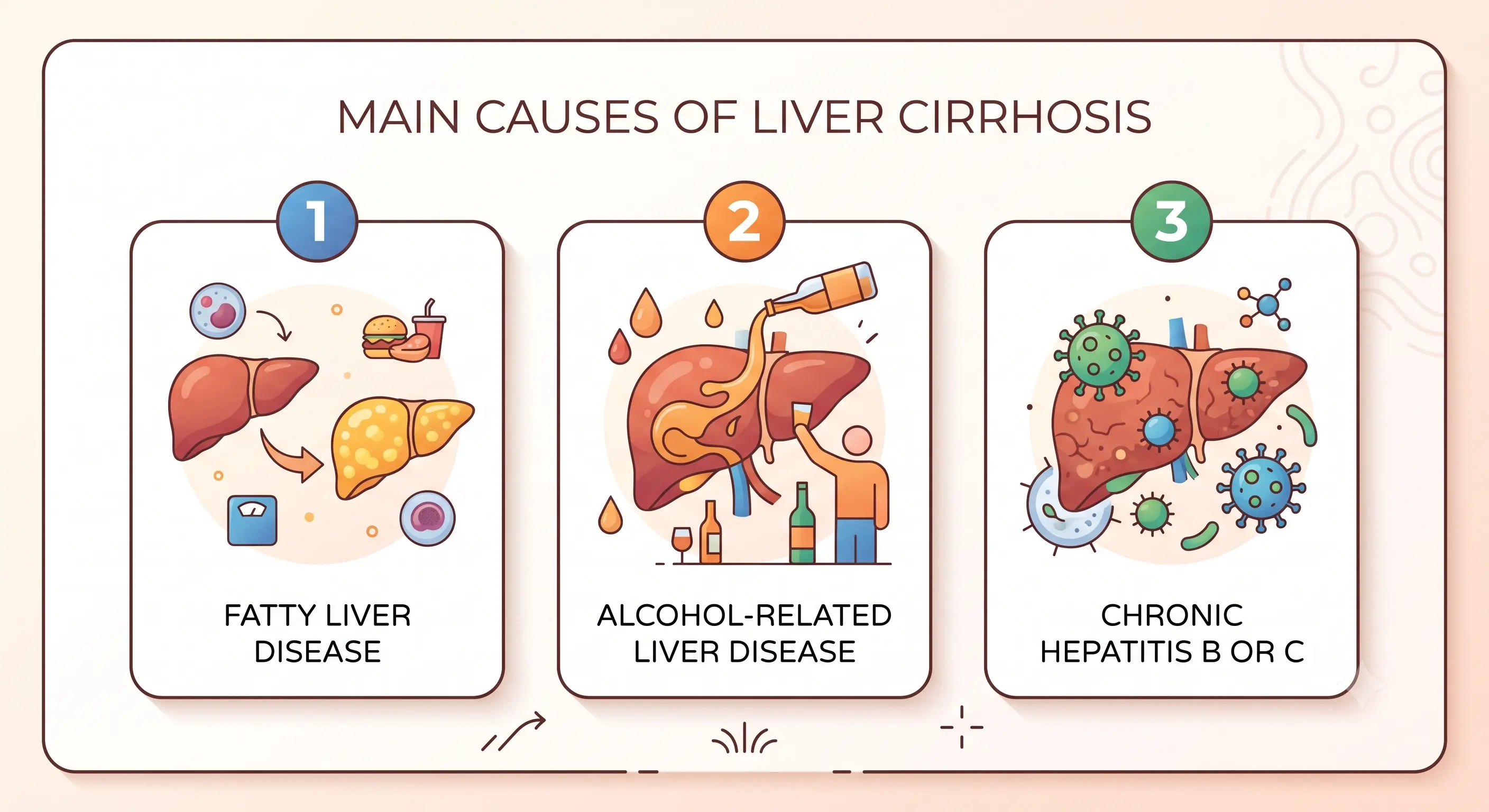
Main causes of liver cirrhosis explained by a liver specialist in Mumbai
  • Fatty liver disease
    Fatty liver disease is now a common cause of chronic liver damage. Extra fat in the liver can trigger inflammation and fibrosis. The risk rises with obesity, type 2 diabetes, high cholesterol, high blood pressure and low physical activity. Some people develop progressive inflammation that eventually leads to cirrhosis.
  • Alcohol-related liver disease
    Frequent heavy alcohol use can injure liver cells and cause inflammation. Over time, this may lead to permanent scarring. The risk differs from person to person and can increase when alcohol use occurs along with obesity, viral hepatitis or poor nutrition. Anyone with known liver disease should discuss alcohol use with a doctor.
  • Chronic hepatitis B or C
    Hepatitis B and hepatitis C can cause ongoing liver inflammation. Some people have these infections for years without symptoms. Blood testing can identify infection, and treatment can reduce the chance of progressive scarring. Hepatitis B vaccination helps prevent new infections.
  • Other medical conditions
    Autoimmune hepatitis, primary biliary cholangitis, inherited iron or copper disorders and certain medicines can also damage the liver. A doctor may need to perform several tests to identify the cause, especially when alcohol use and viral hepatitis are not responsible.

Symptoms of Liver Cirrhosis

Cirrhosis can be silent in its early stages. Possible early symptoms include:

  • Tiredness or weakness
  • Poor appetite
  • Nausea
  • Unplanned weight loss
  • Itchy skin
  • Mild discomfort in the upper right abdomen

As liver function worsens, symptoms may include yellowing of the eyes or skin, dark urine, swelling in the legs or abdomen, easy bruising and bleeding. Some people develop confusion, poor concentration, changes in sleep or unusual drowsiness because toxins are not cleared properly.

Vomiting blood, passing black stools or developing sudden confusion requires immediate medical attention. These signs may indicate internal bleeding or severe liver-related complications.

How Is Cirrhosis Diagnosed?

A doctor reviews your symptoms, medical history, alcohol intake, medicines and possible exposure to hepatitis. Blood tests may measure liver enzymes, bilirubin, albumin, clotting ability and blood cell counts. Tests for hepatitis B and C can identify viral causes.

An abdominal ultrasound can show changes in the liver, spleen and surrounding blood vessels. FibroScan or another elastography test measures liver stiffness without surgery. In selected cases, a liver biopsy helps clarify the cause or stage of damage.

Your doctor may also recommend endoscopy to check for enlarged veins in the food pipe. People with cirrhosis often need regular monitoring for liver cancer and other complications.

How Can Liver Cirrhosis Be Prevented?

  • Maintain a healthy weight
    If you have excess weight, gradual weight loss can reduce fat and inflammation in the liver. Aim for regular activity, such as brisk walking, cycling or strength exercises. Your doctor or dietitian can help you choose a realistic plan.
  • Avoid or limit alcohol
    Avoiding alcohol is the safest option when you have fatty liver disease, hepatitis or abnormal liver tests. If stopping alcohol feels difficult, ask a healthcare professional for support rather than trying to manage the problem alone.
  • Prevent hepatitis infection
    Ask your doctor whether you need hepatitis B vaccination or hepatitis testing. Do not share needles, razors or toothbrushes. Choose sterile equipment for tattoos and piercings, and practise safer sex. Screened blood products also reduce the risk of infection.
  • Use medicines safely
    Take painkillers, prescription medicines and supplements only as directed. Tell your doctor about every herbal product you use. Some “detox” products and bodybuilding supplements can cause liver injury.
  • Follow a balanced diet
    Choose vegetables, fruits, whole grains, beans, nuts and lean sources of protein. Limit sugary drinks, heavily processed foods, excess salt and frequent fried meals. If cirrhosis is already present, a dietitian can adjust your food plan to your stage of disease.

When Should You Consult a Specialist?

If you have jaundice, persistent fatigue, abdominal swelling, unexplained weight loss or abnormal liver test results, arrange a medical evaluation. A gastroenterologist in Mumbai can assess your symptoms, investigate possible digestive or liver conditions and recommend appropriate tests and follow-up care.

Many people search online for lists of the top gastroenterologists in Mumbai. However, rankings and listicles do not necessarily indicate whether a doctor has experience with your specific condition. When choosing a specialist, consider their qualifications, relevant clinical experience, communication style and access to the diagnostic tests or treatments you may need. If you need a liver specialist in Mumbai, look for a doctor with relevant experience in diagnosing and managing liver conditions. Your choice should ultimately depend on your symptoms, medical needs, recommended evaluation and comfort with the specialist.

Frequently Asked Questions

Established cirrhosis usually cannot be removed completely. Treating the underlying cause can slow progression, reduce complications and protect the liver’s remaining function.

Yes. Fatty liver can progress to inflammation, fibrosis and cirrhosis in some people. Weight management, blood sugar control, physical activity and medical follow-up can lower this risk.

No. Viral hepatitis, fatty liver disease, autoimmune conditions, inherited disorders and some medicines can also cause cirrhosis.

Doctors may use blood tests, ultrasound, FibroScan or other elastography scans. A biopsy is used only when more information is needed.

Avoid alcohol and unapproved supplements. Do not change medicines without medical advice. Your doctor may also recommend limits on salt or certain foods based on swelling, nutrition and kidney function.

Conclusion

Liver cirrhosis develops after long-term liver injury, but early care can slow its progression. Managing fatty liver disease, avoiding alcohol, preventing hepatitis, using medicines safely and attending regular check-ups can protect your liver. Do not ignore jaundice, swelling, unusual bleeding or persistent fatigue. A timely consultation with a qualified specialist can identify the cause and help you follow the right care plan.

Send us a message

Have any questions? We are ready to help.

List of Consultants

Vaibhav Somani

Dr. Vaibhav Somani

DNB (Med), DNB (Gastro)

Gastroenterologist

Gajanan A Rodge

Dr. Gajanan A Rodge

DNB (Medicine), DrNB (Gastro), MNAMS

Gastroenterologist

N.H. Banka

Dr. N.H. Banka

MD (BOM), FCPS, FACG (USA)

Gastroenterologist

Pravin Rathi

Dr. Pravin Rathi

MD, DNB, DM, MISG, FICP Gastroentrologist Hepatologist, Therapeutic Endoscopist

Gastroenterologist

Book Appointment Book Appointment