Air pollution isn't just harmful to your lungs; it can also have a serious impact on your digestive health. The pollution levels in urban areas, especially during hotter months, can irritate your gut, causing everything from discomfort to chronic digestive issues.
It’s a topic that often flies under the radar, but it's crucial to understand the ways in which polluted air affects your digestive system, and what steps you can take to protect yourself. In this blog, we will explore the connection between pollution and digestive health, how pollution exacerbates digestive conditions, and practical tips to safeguard your digestive system, especially in the heat. If you're facing digestive troubles, consulting a Gastroenterologist in Mumbai can provide valuable insights and solutions.
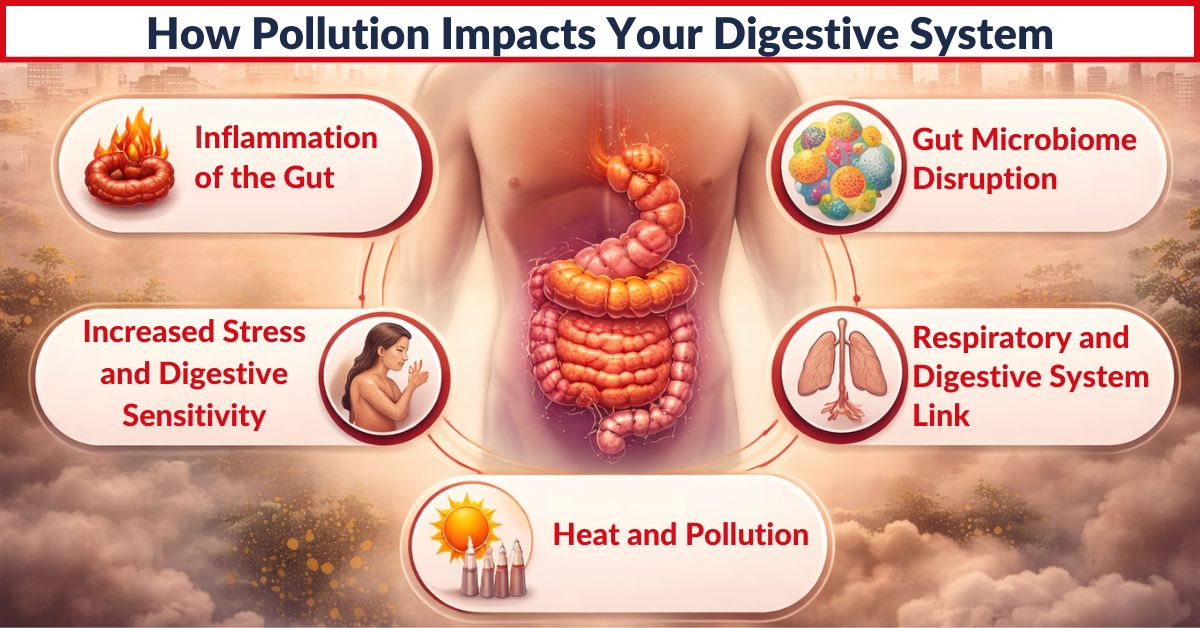
Inflammation of the Gut
Pollution, particularly fine particulate matter (PM2.5), can trigger inflammation throughout the body. When inhaled, these particles enter the bloodstream and can affect various organs, including the digestive tract. Chronic exposure to pollution has been linked to inflammation in the gastrointestinal system, which can manifest as conditions like irritable bowel syndrome (IBS), bloating, and indigestion. Inflammation can alter the gut microbiota, leading to poor digestion and other complications. For proper diagnosis and management of these issues, consulting a Gastroenterology specialist can provide the right treatment plan.
Gut Microbiome Disruption
Your gut is home to trillions of microorganisms that are vital for digestion, immune function, and overall health. Pollution can disrupt this delicate balance, affecting the beneficial bacteria in your gut. Studies have shown that air pollution alters the composition of gut microbiota, leading to an increase in harmful bacteria. This imbalance can contribute to bloating, gas, constipation, and other digestive discomforts. A compromised microbiome can also lower your body's ability to absorb essential nutrients from food.
Increased Stress and Digestive Sensitivity
High levels of pollution can increase stress levels, which in turn can worsen digestive conditions. Stress is a well-known trigger for conditions like acid reflux, gastritis, and ulcers. When exposed to polluted environments, your body reacts by releasing stress hormones such as cortisol, which can stimulate the production of stomach acid and disrupt digestion. This heightened stress response increases digestive sensitivity, making your stomach more prone to irritants, leading to discomfort and longer-term complications.
Respiratory and Digestive System Link
There’s a direct connection between your respiratory and digestive systems. Pollution-related respiratory issues, such as asthma, can cause symptoms that affect digestion as well. For example, individuals with asthma may be more susceptible to acid reflux, a condition in which stomach acid flows back into the esophagus. The chronic coughing associated with asthma can also put pressure on the stomach, leading to discomfort and bloating. The combined stress on both systems can weaken the body's ability to properly digest food.
Heat and Pollution: A Double Threat
During the hot months, pollution levels tend to rise, creating a double burden on your digestive system. The heat itself can cause dehydration, which exacerbates constipation and other digestive issues. Polluted air compounds this effect by reducing oxygen supply to the cells in your body, including those in your gut. When your digestive tract doesn't receive enough oxygen, it struggles to function properly, slowing down digestion and nutrient absorption. The combination of heat and pollution can lead to an increase in stomach irritation and even exacerbate chronic conditions like gastritis or ulcers.

1. Stay Hydrated: Drinking enough water is crucial for maintaining proper digestion, especially in the heat. Water helps soften stool, making it easier to pass and preventing constipation. To combat both heat and pollution, aim to drink at least 8-10 glasses of water each day. Add a pinch of salt to your water to replenish essential minerals lost due to heat.
2. Eat Anti-inflammatory Foods: To reduce gut inflammation caused by pollution, incorporate anti-inflammatory foods like leafy greens, berries, nuts, seeds, and fatty fish into your diet. Probiotic-rich foods like yogurt, kefir, and kimchi can also help restore balance to your gut microbiome.
3. Limit Processed Foods and Sugars: Pollution can make your digestive system more vulnerable, and consuming processed foods high in sugar and unhealthy fats can further aggravate your gut. Opt for whole foods like vegetables, fruits, lean proteins, and whole grains.
4. Consider Air Purifiers
To minimize the effects of pollution on your digestive system, consider using an air purifier in your home or office. Air purifiers can reduce the amount of harmful particulate matter in the air, creating a cleaner environment for your lungs and digestive system. This can be particularly beneficial if you live in an area with high levels of pollution.
5. Practice Mindful Eating
Pollution and stress go hand-in-hand, so practicing mindful eating can help reduce digestive issues triggered by both. Take time to chew your food thoroughly and focus on your meal without distractions. Avoid eating too quickly or in stressful situations, as this can lead to indigestion and bloating.
6. Consult a Gastroenterologist
If you experience persistent digestive issues or suspect that pollution may be affecting your gut health, don’t hesitate to consult a gastroenterologist. A specialist can perform tests to determine whether air pollution or other environmental factors are contributing to your symptoms and provide a personalized treatment plan.
If you're struggling with digestive issues and are concerned about the impact of pollution on your health, The Bombay Hospital in Mumbai offers specialized consultation in gastroenterology. Our expert gastroenterologists are experienced in diagnosing and treating a wide range of digestive conditions, including those aggravated by pollution and environmental factors.
Whether you're dealing with IBS, acid reflux, or other gut issues, we’re here to help. You can book an appointment through our website or contact our clinic directly to schedule a consultation. Our team of specialists is dedicated to providing personalized care and effective treatment plans tailored to your needs.
Pollution is not just a threat to your lungs; it can also affect your digestive system, causing discomfort and long-term health issues. By making simple lifestyle changes such as eating anti-inflammatory foods, staying hydrated, and practicing mindful eating, you can protect your digestive health from the harmful effects of pollution.
If you're experiencing persistent digestive problems, consult a gastroenterologist for personalized care and guidance. Your gut health matters, and with the right steps, you can ensure that pollution doesn’t take a toll on your digestion.
Have any questions? We are ready to help.
DNB (Medicine), DrNB (Gastro), MNAMS
Gastroenterologist
MD, DNB, DM, MISG, FICP Gastroentrologist Hepatologist, Therapeutic Endoscopist
Gastroenterologist