Thyroid and Women’s Health
The thyroid plays a major role in women’s health, especially in areas linked to Gynaecology such as hormones, menstrual cycles, fertility, and pregnancy. Many women struggle with unexplained symptoms like irregular periods, weight changes, mood swings, or difficulties conceiving without knowing that the thyroid may be involved. Thyroid disorders are common, manageable, and often overlooked until symptoms begin affecting daily life. This blog explains how thyroid health connects to periods, pregnancy, and fertility so you can understand your body better and make informed decisions.
You will learn how thyroid hormones influence your menstrual cycle, why thyroid issues affect conception, how pregnancy changes thyroid function, and what you can do to stay healthy. The goal is to offer clarity, comfort, and simple information that supports women who may be struggling with hormonal health concerns.
Can thyroid problems affect periods, fertility and pregnancy? Yes. Both an underactive thyroid (hypothyroidism) and an overactive thyroid (hyperthyroidism) can affect menstrual function and reproductive health. Untreated thyroid disease,
particularly when significant, can also increase certain pregnancy risks.
If you are experiencing persistent menstrual changes, planning a pregnancy or managing a known thyroid condition,
a thyroid specialist in Mumbai or a gynaecologist in Mumbai can help determine which assessments and treatment options are appropriate.
What is the Thyroid and Why Does It Matter?
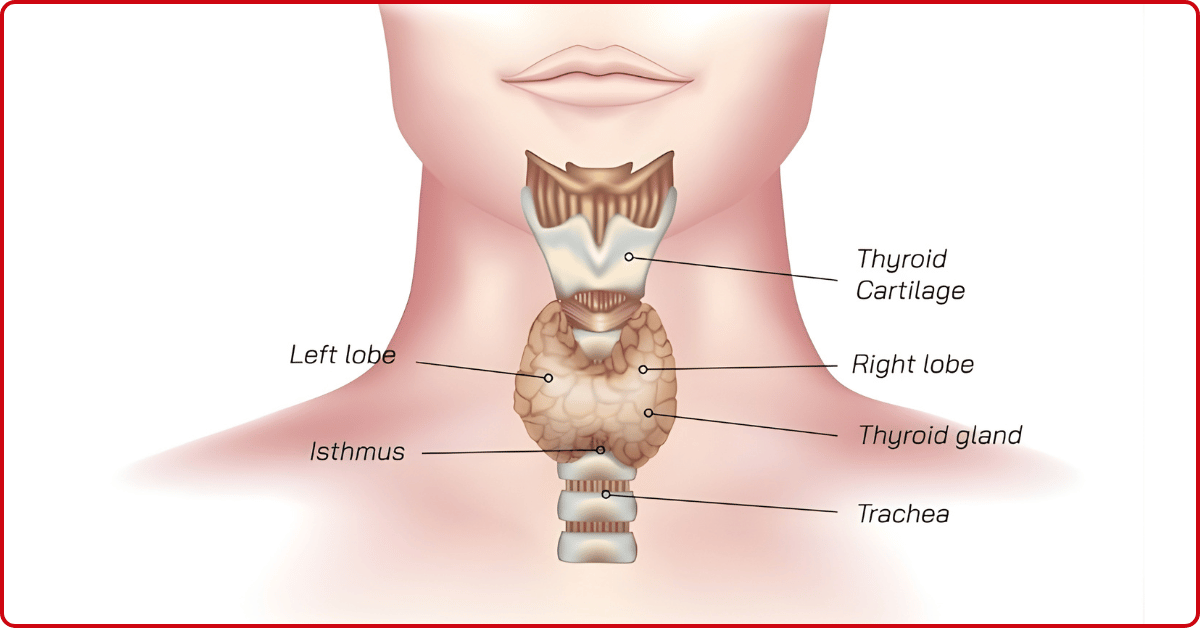
The thyroid is a small, butterfly-shaped gland at the front of the neck. It produces hormones, primarily thyroxine (T4) and triiodothyronine (T3), which help regulate metabolism, body temperature, heart rate and several other bodily functions. When the thyroid works too slowly, it causes hypothyroidism. When it works too fast, it causes hyperthyroidism.
Women are far more likely than men to develop thyroid problems. Hormonal changes during puberty, pregnancy, and menopause increase the risk. Thyroid hormones interact with reproductive hormones like estrogen and progesterone, and this connection explains why menstrual, fertility, and pregnancy issues are so common in women with thyroid disorders.
The two main types of thyroid dysfunction are:
- Hypothyroidism: An underactive thyroid
Hypothyroidism occurs when the thyroid does not produce enough hormone. Symptoms may include fatigue, sensitivity to cold, constipation, dry skin, changes in weight and menstrual irregularities.
In some women, hypothyroidism can interfere with ovulation and make conception more difficult.
- Hyperthyroidism: An overactive thyroid
Hyperthyroidism occurs when the thyroid produces excessive amounts of thyroid hormone. It can cause symptoms such as a rapid heartbeat, tremors, anxiety, heat intolerance, increased sweating and unintended weight loss.
Some women with hyperthyroidism experience lighter periods, less frequent periods or missed periods.
Both conditions require appropriate assessment. Symptoms alone cannot reliably confirm a thyroid disorder because many overlap with other medical conditions.
How Thyroid Problems Affect Menstrual Cycles
Thyroid disorders can change how often periods arrive, how long they last, and how heavy they feel. Many women do not realise their cycle changes could be linked to thyroid function.
Here are some common menstrual symptoms:
- Hypothyroidism may lead to heavy bleeding, painful periods, or frequent cycles.
- Hyperthyroidism may cause light periods, shorter cycles, or missed periods.
- Extremely low thyroid hormone levels can stop periods completely.
- Hormonal imbalance may trigger severe premenstrual symptoms.
If your periods suddenly change, especially along with fatigue, hair loss, or weight fluctuations, a thyroid check may provide answers. Treating the root cause can restore menstrual balance.
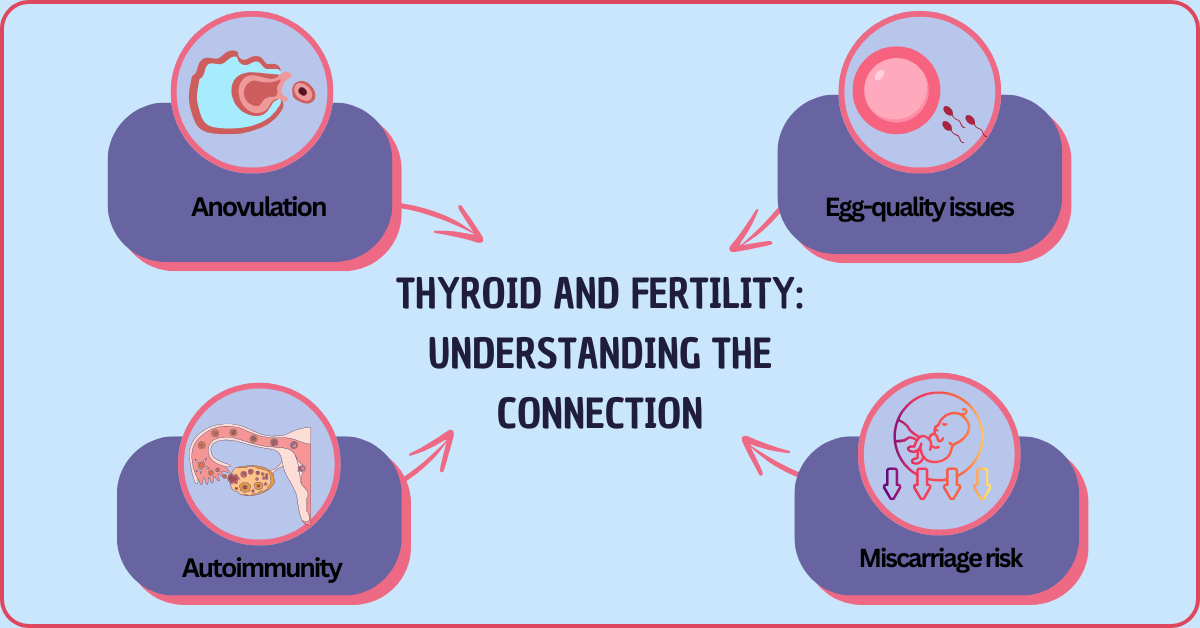
Thyroid and Fertility: Understanding the Connection
Thyroid hormones are important for ovulation. When the thyroid slows down or becomes overactive, ovulation may be delayed or irregular. This can make it harder to conceive.
Many women visit a Gynaecologist in Mumbai for fertility support and end up discovering a thyroid issue during testing.
Ways thyroid problems affect fertility:
- Lack of regular ovulation reduces chances of pregnancy.
- Hormonal imbalance affects egg quality.
- Thyroid antibodies may interfere with conception.
- Uncontrolled thyroid disease increases the risk of miscarriage.
However, having a thyroid disorder does not automatically mean that you will experience infertility.
How hypothyroidism may affect fertility
An underactive thyroid can interfere with menstrual regularity and ovulation. In some women, untreated hypothyroidism
is associated with elevated prolactin levels, which can further disrupt reproductive function.
Potential signs that warrant evaluation include irregular periods, absent periods or difficulty conceiving.
How hyperthyroidism may affect fertility
An overactive thyroid can also disturb menstrual patterns and ovulation. If thyroid hormone
levels remain uncontrolled, conception and pregnancy management may become more complicated.
What about thyroid antibodies?
Thyroid antibodies can indicate an autoimmune thyroid condition. Their presence does not necessarily mean that a woman will have difficulty conceiving or that treatment is always required.The decision to investigate or treat thyroid dysfunction depends on thyroid hormone levels, medical history, fertility circumstances and pregnancy plans.
The positive news is that most thyroid-related fertility issues are treatable. Medication and testing can help restore hormone balance and support natural conception or fertility treatment.
What should you do if you are planning a pregnancy?
If you have a diagnosed thyroid condition and are planning to conceive, discuss your thyroid levels and medications with your treating clinician before pregnancy.
A thyroid specialist in Mumbai can assess thyroid function, while a gynaecologist can evaluate menstrual irregularities or fertility concerns. When needed, both specialties can contribute to coordinated care.
Thyroid Health During Pregnancy
Pregnancy increases the need for thyroid hormones. If the thyroid cannot meet this demand, both mother and baby may be affected. Many pregnant women develop thyroid issues for the first time, while others may see older symptoms return.
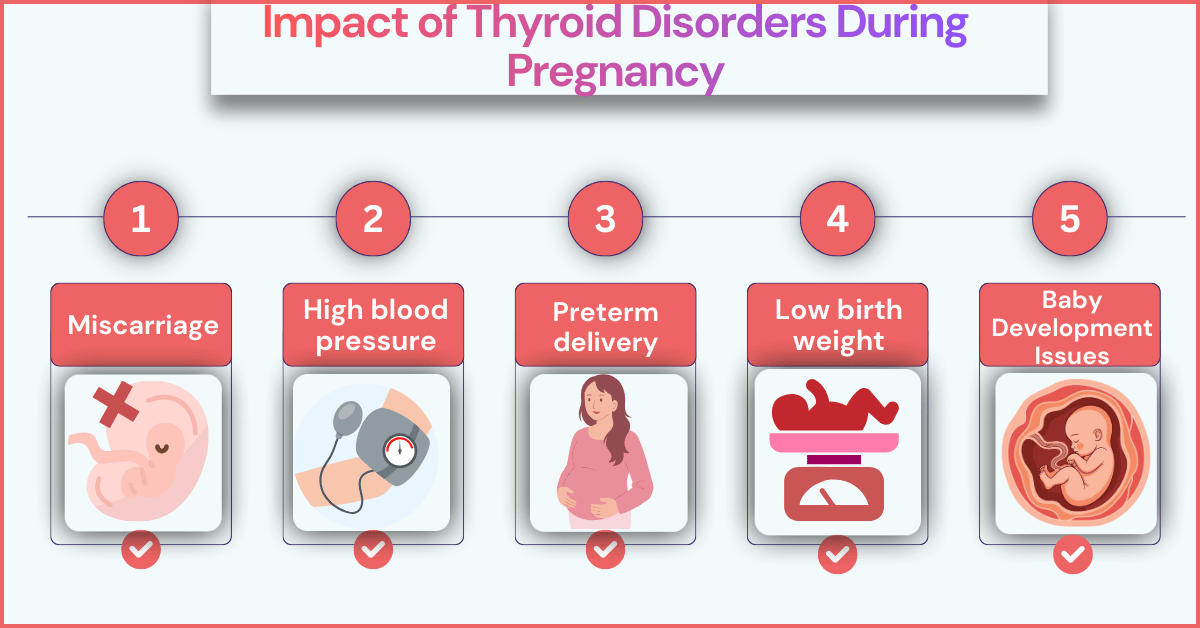
Thyroid disorders during pregnancy may lead to:
- Miscarriage
- High blood pressure
- Preterm delivery
- Low birth weight
- Developmental issues in the baby
A healthy thyroid is important for brain development in the unborn child. Regular monitoring, medication adjustments, and blood tests help reduce risk. Women with known thyroid disorders should plan pregnancies with medical guidance for best results.
Postpartum Thyroid Changes
Some women experience thyroid imbalance after childbirth. This can appear as exhaustion, hair thinning, mood swings, anxiety, or depression, and is often mistaken for regular postpartum changes.
Postpartum thyroiditis may go unnoticed without testing. Women who had thyroid issues before pregnancy may need long-term follow-up. Early diagnosis helps protect emotional health, energy levels, and hormone balance.
When Should You See a Doctor?
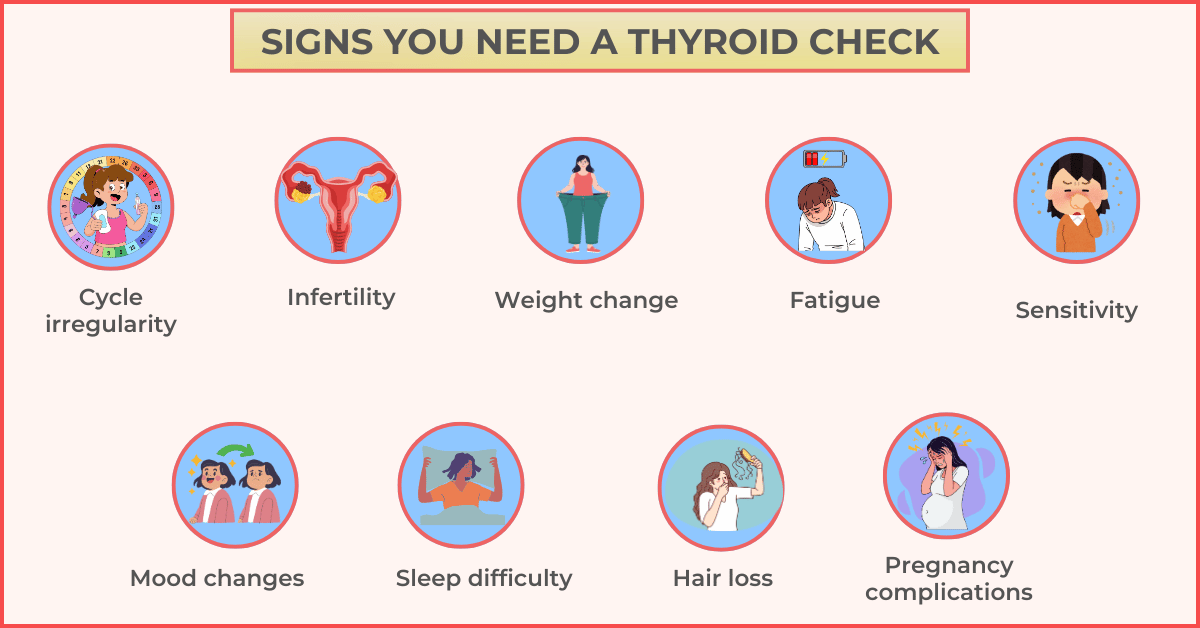
If you notice these symptoms, thyroid evaluation may help:
- Cycle irregularity
- Infertility
- Unexplained weight change
- Fatigue
- Sensitivity to heat or cold
- Mood changes
- Sleep difficulty
- Hair loss
- Pregnancy complications
Simple blood tests can confirm diagnosis, and treatment often improves symptoms within weeks.
How Are Thyroid Problems Diagnosed in Women?
Thyroid disorders are usually assessed through a combination of medical history, physical examination and blood tests.
1. Thyroid-stimulating hormone (TSH)
TSH is commonly used as an initial test to assess thyroid function. It helps the clinician understand whether the thyroid may be underactive or overactive.
2. Free T4 testing
Free T4 may be measured alongside TSH or as a follow-up test to clarify thyroid function. The results are interpreted together rather than in isolation.
3. Thyroid antibody testing
Thyroid antibody tests may be recommended when an autoimmune thyroid disorder is suspected or when the result could affect clinical decisions.
4. Additional investigations
Depending on the findings, the clinician may recommend other blood tests or thyroid imaging. Ultrasound is generally used when there is a specific concern such as a thyroid nodule or enlargement, rather than as a routine test for every thyroid hormone abnormality.
For women with menstrual irregularities or fertility concerns, additional investigations may be appropriate to assess other possible causes.
Not every patient needs every test. The choice depends on symptoms, examination findings, pregnancy status and medical history.
When Should You Consult a Thyroid Specialist or Gynaecologist?
Consider medical evaluation if you experience persistent menstrual changes, symptoms suggestive of thyroid dysfunction, difficulty conceiving or concerns about thyroid control during pregnancy.
A thyroid specialist or endocrinologist is particularly relevant when thyroid hormone levels are abnormal, medication needs adjustment or an endocrine condition requires ongoing monitoring.
A gynaecologist can assess irregular periods, abnormal menstrual bleeding, fertility concerns and pregnancy-related needs. Depending on your symptoms, you may need one specialist or coordinated care between both departments.
If you are searching for a gynaecologist in Mumbai, Bombay Hospital's Gynaecology and Obstetrics Department provides services for menstrual disorders, infertility evaluation, pregnancy care and other reproductive health concerns.
For appointments, queries, or treatment support, you may contact Bombay Hospital Mumbai.
FAQs
Yes. Thyroid imbalance may lead to irregular periods, heavy flow, light bleeding, or missed cycles. Treating the thyroid usually improves menstrual health.
It may be. Low thyroid hormones disrupt ovulation, making conception less likely. Treatment often improves fertility.
Uncontrolled thyroid levels may increase the risk of miscarriage. Women planning pregnancy should test and regulate thyroid levels.
Many women do. Medicine helps maintain safe hormone levels that support the baby’s development. Your doctor will guide dosage.
Yes. Some women develop postpartum thyroiditis or see previous symptoms return. Monitoring helps prevent long-term complications.
Conclusion
A healthy thyroid supports regular periods, fertility, and pregnancy. Understanding how your hormones work gives you control over your health and confidence in managing symptoms.
If you notice changes in energy, mood, weight, or menstrual patterns, a thyroid evaluation may help. Most thyroid disorders are treatable, and early care improves physical and emotional wellbeing.
Listening to your body and seeking professional guidance can lead to better reproductive health and a more comfortable life. For further information visit Bombay Hospital Mumbai.