Introduction
PCOS is closely linked with metabolic health, insulin resistance, and hormonal imbalance. In
clinical nutrition and Diabetology,
diet plays a central role in managing these changes. Many patients who consult a Diabetologist
in Mumbai or a Diabetes dietitian in Mumbai often report symptoms like weight gain, irregular
cycles, fatigue, and sugar imbalance.
A structured approach from a dietitian in
Mumbai focuses on correcting root nutritional issues
instead of temporary fixes. Even institutions like Bombay
Hospital Mumbai follow a medical
nutrition approach for metabolic conditions linked with PCOS and diabetes.
This blog explains what a personalized diet plan for PCOS means, how it works, and why it is
more effective than generic diets. It also covers real dietary strategies, expert guidance, and
practical food patterns.
Understanding PCOS and Metabolic Imbalance
PCOS affects insulin function and hormone regulation. When insulin levels rise, the body stores
more fat, especially around the abdomen. This is why many women struggle with weight loss even
after dieting.
A dietitian in Mumbai
often finds overlapping issues between PCOS and early insulin resistance.
This is where dietary correction becomes important.
High sugar intake, irregular meals, and processed foods worsen symptoms. A structured nutrition
plan helps reduce insulin spikes and improves hormonal balance over time.
What is a Personalized Diet Plan for PCOS?
A personalized diet plan is not a generic chart. It is designed based on:
- Blood reports
- Hormonal profile
- Lifestyle pattern
- Food preferences
- Activity levels
In cases where metabolic imbalance is complex, consultation with a Diabetologist
in Mumbai may
also be recommended.
A personalized PCOS plan focuses on:
- Stabilizing blood sugar
- Reducing insulin resistance
- Supporting hormonal balance
- Improving gut health
- Supporting healthy weight loss
Unlike general diet charts, this plan adjusts over time based on progress.
Role of Dietitian in Managing PCOS Naturally
A dietitian plays a key role in long-term PCOS management. Many women try online diets but do
not see results because PCOS is not only about calorie reduction.
A PCOS dietitian in Mumbai often uses principles like:
- Low glycemic index foods
- Balanced macronutrients
- Protein-first meals
- Controlled carbohydrate timing
A PCOS diet doctor in Mumbai may also evaluate insulin resistance severity and suggest medical
support if needed. Even in major healthcare centers like Bombay
hospital mumbai, nutrition is
considered a core part of metabolic treatment planning. The goal is not quick weight loss, but
stable hormonal recovery.
PCOS and Insulin
Resistance Connection
PCOS and insulin resistance are strongly connected. When insulin resistance increases, the body
produces more insulin, which leads to fat storage and hormonal disruption.
This is where Diabetology becomes important in understanding metabolic behavior. A Diabetologist
may evaluate fasting insulin and glucose levels to understand severity.
A Diabetes dietitian then creates a food strategy to:
- Reduce sugar spikes
- Improve insulin sensitivity
- Support fat metabolism
Diet plays a direct role in improving these markers over time.
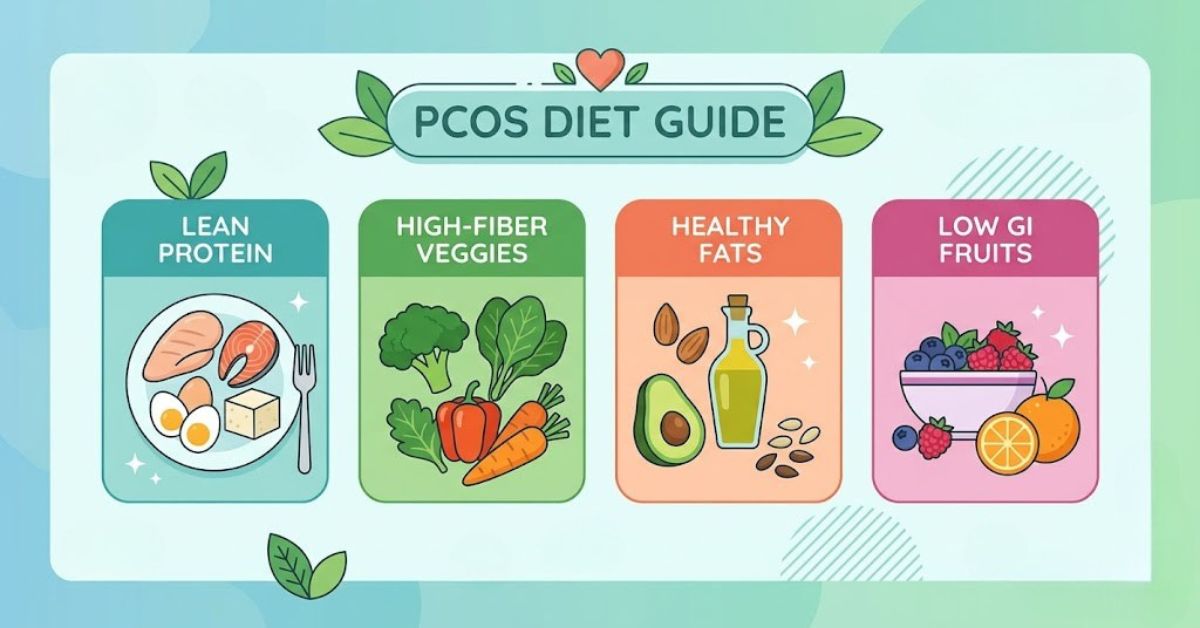
Personalized Diet Plan Strategy for PCOS
A structured PCOS diet plan focuses on real-life eating habits.
1. Balanced breakfast
Protein-rich meals like eggs, sprouts, or paneer help reduce cravings.
2. Controlled carbohydrates
Instead of refined flour and sugar, whole grains and fiber-rich foods are preferred.
3. Healthy fats
Nuts, seeds, and omega-3 sources support hormone balance.
4. Regular meal timing
Skipping meals increases insulin spikes later in the day.
5. Hydration and gut health
Water and fiber improve digestion and metabolism.
A dietitian adjusts these based on individual response.
Detox Diet vs PCOS Diet Plan
Detox diets usually focus on short-term
changes
and may not address hormonal imbalance.
A PCOS diet is different because:
- It is long-term
- It supports insulin regulation
- It avoids extreme restrictions
- It focuses on metabolic correction
A Diabetes dietitian often avoids detox-only approaches because they do not support sustained
hormonal improvement.
When Should You Consult a dietitian ?
You should consult a dietitian or a Diabetologist in Mumbai if you notice:
- Sudden weight gain
- Irregular menstrual cycles
- Persistent fatigue
- Difficulty losing weight
- Sugar cravings
A PCOS diet plan becomes more effective when guided by a trained expert. In complex metabolic
cases, support from Diabetology specialists ensures better long-term outcomes.