Why Preventive Healthcare Is Important for Every Age

Introduction

Many health problems do not appear suddenly. They often develop silently over months or years before noticeable symptoms begin. In a fast-paced city like Mumbai, busy schedules, work pressure, irregular eating habits, and lack of physical activity can gradually affect overall health.

A health checkup is not only about finding diseases. It is about understanding your current health status, identifying possible risks, and making better decisions before problems become serious. Preventive healthcare encourages people to stay aware of their health instead of waiting until symptoms interfere with daily life.

Why Regular Health Monitoring Is Important

People often visit a doctor only when they experience discomfort or visible symptoms. However, several health conditions can progress quietly during the early stages.

Regular health monitoring helps you:

  • Understand changes happening inside your body
  • Identify possible health risks early
  • Make informed lifestyle changes
  • Track improvements over time
  • Take timely medical advice when required

For example, a person who feels energetic and active may still have changes related to blood pressure, metabolism, or cholesterol without obvious warning signs. Being aware of your health allows you to take action before small concerns become bigger challenges.

How Modern Lifestyle Affects Your Health

Urban lifestyles have changed significantly. Long working hours, reduced physical movement, stress, and unhealthy food choices are becoming common among people of different age groups.

Some everyday habits that may influence health include:

  • Sedentary Routine: Many professionals spend several hours sitting at desks or working on screens. Reduced physical activity may affect weight management, muscle strength, and overall fitness.
  • Stress and Poor Sleep: Continuous stress and inadequate sleep can influence energy levels, concentration, and overall well-being. Maintaining healthy sleep habits is an important part of preventive care.
  • Unbalanced Eating Patterns: Frequent consumption of processed foods, irregular meal timings, and insufficient nutrition may impact long-term health.
  • Lack of Regular Medical Attention: Ignoring small changes in health because of busy schedules may delay necessary medical guidance.

Health Awareness Across Different Life Stages

Health priorities change as people grow older. Understanding these changes helps individuals make better choices.

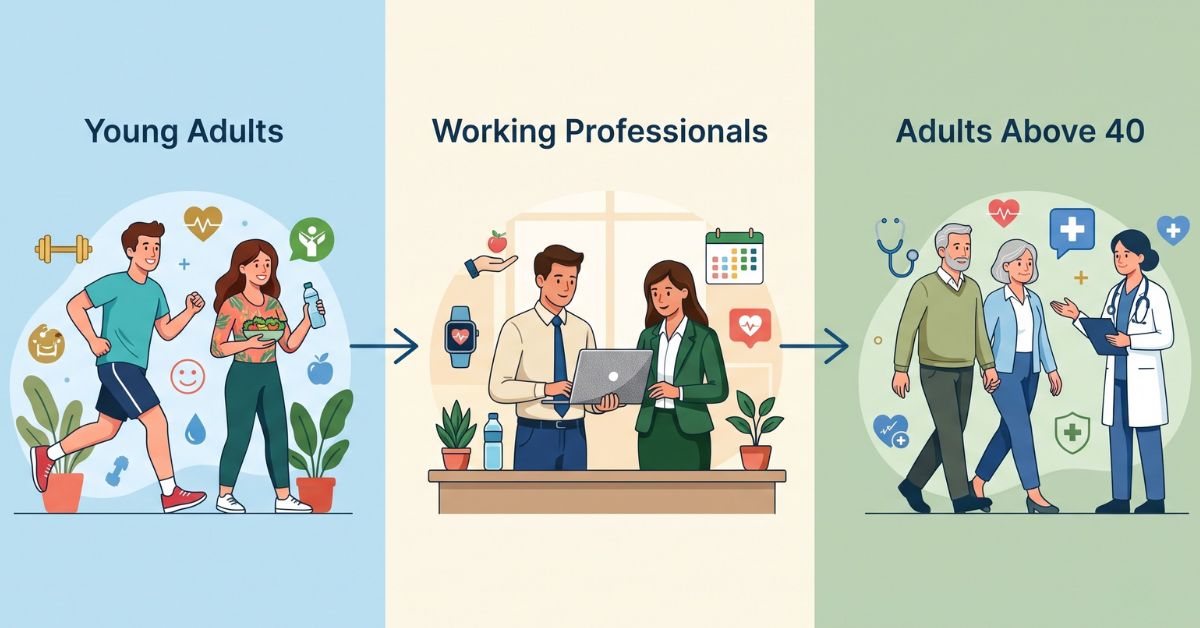
Health Awareness Across Different Life Stages

1. Young Adults

People in their 20s and early 30s often focus on careers and personal goals. However, building healthy habits during this stage creates a strong foundation for the future.

Important areas of focus include:

  • Maintaining physical activity
  • Managing stress effectively
  • Following balanced nutrition
  • Understanding personal health risks

2. Working Professionals

Busy schedules can make health a low priority. Increased responsibilities, irregular routines, and workplace stress can affect physical and mental well-being.

Maintaining awareness about health changes becomes important during this phase.

3. Adults Above 40

With increasing age, the possibility of lifestyle-related concerns may rise. Paying attention to health patterns and seeking professional advice when required can support better long-term wellness.

Family History and Personal Health Risks

Your family background can provide important information about possible health risks.

If close family members have experienced conditions such as:

  • Heart-related problems
  • Diabetes
  • Certain cancers
  • Hormonal disorders

you may benefit from discussing your health history with a medical professional.

Family history does not mean a person will definitely develop a condition. However, awareness helps in taking preventive steps at the right time.

Why Waiting for Symptoms May Not Always Be the Best Approach

Many people believe that medical attention is necessary only when they feel unwell. While symptoms are important signals, some conditions may not show clear signs in the beginning.

Preventive healthcare focuses on:

  • Awareness rather than fear
  • Early action rather than delay
  • Understanding risks before complications develop

A proactive approach helps individuals participate actively in their own healthcare journey.

Small Lifestyle Changes That Support Better Health

Healthcare is not limited to medical visits. Daily habits play a major role in maintaining wellness.

Some beneficial habits include:

  • Stay Physically Active: Regular movement supports overall fitness and helps maintain a healthy body.
  • Eat Mindfully: Choosing nutritious foods and maintaining regular meal patterns can support better health.
  • Manage Stress: Relaxation techniques, hobbies, and proper rest can improve emotional well-being.
  • Avoid Harmful Habits: Reducing tobacco, excessive alcohol consumption, and unhealthy lifestyle choices can lower health risks.
  • Stay Consistent: Small improvements maintained over time often create meaningful results.

When Should You Consider Talking to a Healthcare Professional?

You should consider medical guidance if you notice:

  • Continuous tiredness without a clear reason
  • Unexplained weight changes
  • Changes in appetite or sleep patterns
  • Persistent discomfort
  • Difficulty managing existing health concerns

Regular conversations with healthcare professionals help you understand what your body needs at different stages of life.

Preventive Healthcare at Bombay Hospital and Medical Research Centre

Bombay Hospital and Medical Research Centre has been providing advanced healthcare services with a focus on patient-centred care. With experienced specialists across multiple medical disciplines and modern healthcare infrastructure, the hospital supports individuals in understanding their health needs and receiving appropriate medical guidance.

A preventive approach allows people to remain informed, make healthier decisions, and seek expert advice whenever required.

FAQs

Preventive healthcare helps people understand their health risks, identify possible concerns early, and take appropriate steps to maintain long-term wellness.

Yes. Even people who feel healthy can benefit from understanding their current health status and maintaining awareness about possible risks.

Yes. Health priorities change with age, lifestyle, family history, and individual health conditions.

Daily habits such as physical activity, nutrition, sleep, and stress management can significantly influence overall well-being.

Yes. Family history can provide useful information about possible risks and helps doctors provide more personalised guidance.

Conclusion

Health is not something that should be addressed only after problems appear. A preventive approach helps people stay informed, recognize potential risks, and make healthier choices throughout life.

In a busy city like Mumbai, where lifestyle challenges are common, staying connected with your health is an important step toward long-term wellness. Regular awareness, healthy habits, and timely medical guidance can help you protect your health for years to come.

Send us a message

Have any questions? We are ready to help.

Book Appointment Book Appointment