As a new mother, you’re likely experiencing fatigue, mood swings, and changes in your body. But what if
these symptoms are more than just the result of sleepless nights? Postpartum thyroid dysfunction is a
condition that affects many women after childbirth, and it can significantly impact your physical and
mental well-being. In this blog, we’ll dive into the causes, symptoms, diagnosis, and treatment options
for postpartum thyroid dysfunction, and why seeking professional care in Endocrinology in Mumbai is crucial for
your recovery.
Understanding Postpartum Thyroid Dysfunction
What is Postpartum Thyroid Dysfunction?
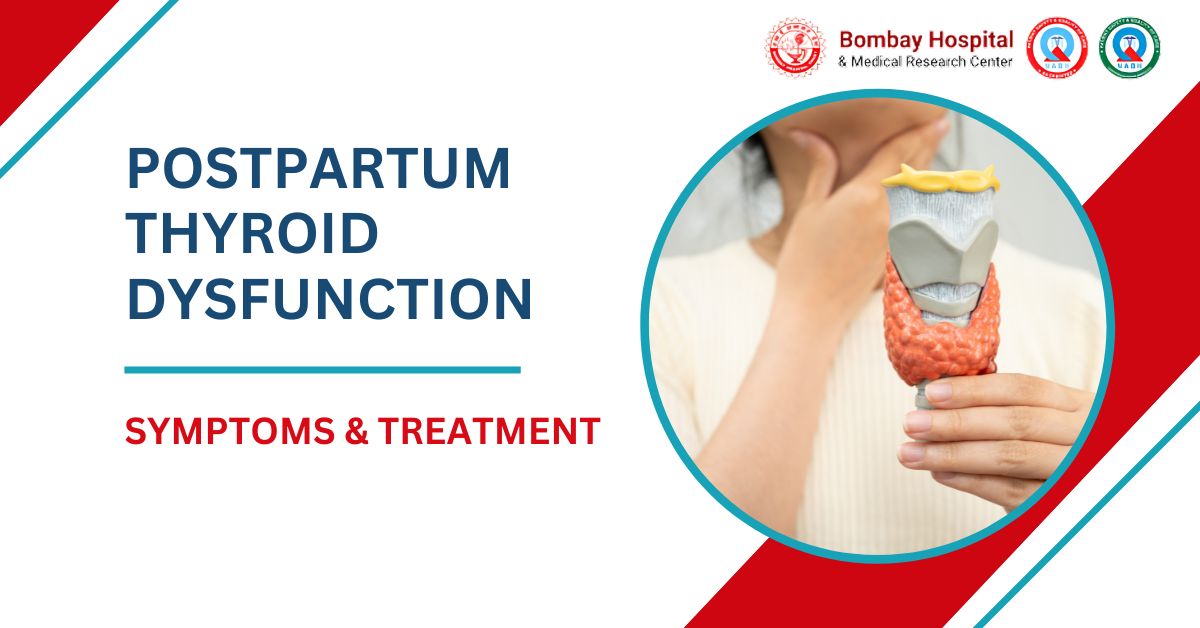
Postpartum thyroid dysfunction refers to thyroid imbalances that occur after
childbirth,
typically in the first year. The thyroid, a small gland in the neck, plays a crucial
role in
regulating metabolism through hormone production. After pregnancy, sudden shifts in
hormone
levels can lead to two main conditions: hyperthyroidism (overactive thyroid) and
hypothyroidism
(underactive thyroid). Both can leave mothers feeling drained and overwhelmed,
making it
important to recognize the symptoms early.
Why It’s Important
After giving birth, most new mothers experience some level of exhaustion and
emotional
turbulence. However, if these symptoms persist or worsen, they could signal a
thyroid issue.
Left untreated, postpartum thyroid dysfunction can lead to long-term health
problems, including
depression, weight gain, and heart issues. Recognizing the signs and seeking medical
care from
an Endocrinologist
in
Mumbai can prevent these complications and help you regain your health and
energy.
Symptoms of Postpartum Thyroid Dysfunction
Hyperthyroidism Symptoms
Hyperthyroidism occurs when the thyroid produces too much hormone, causing an accelerated
metabolism. Symptoms of hyperthyroidism include:
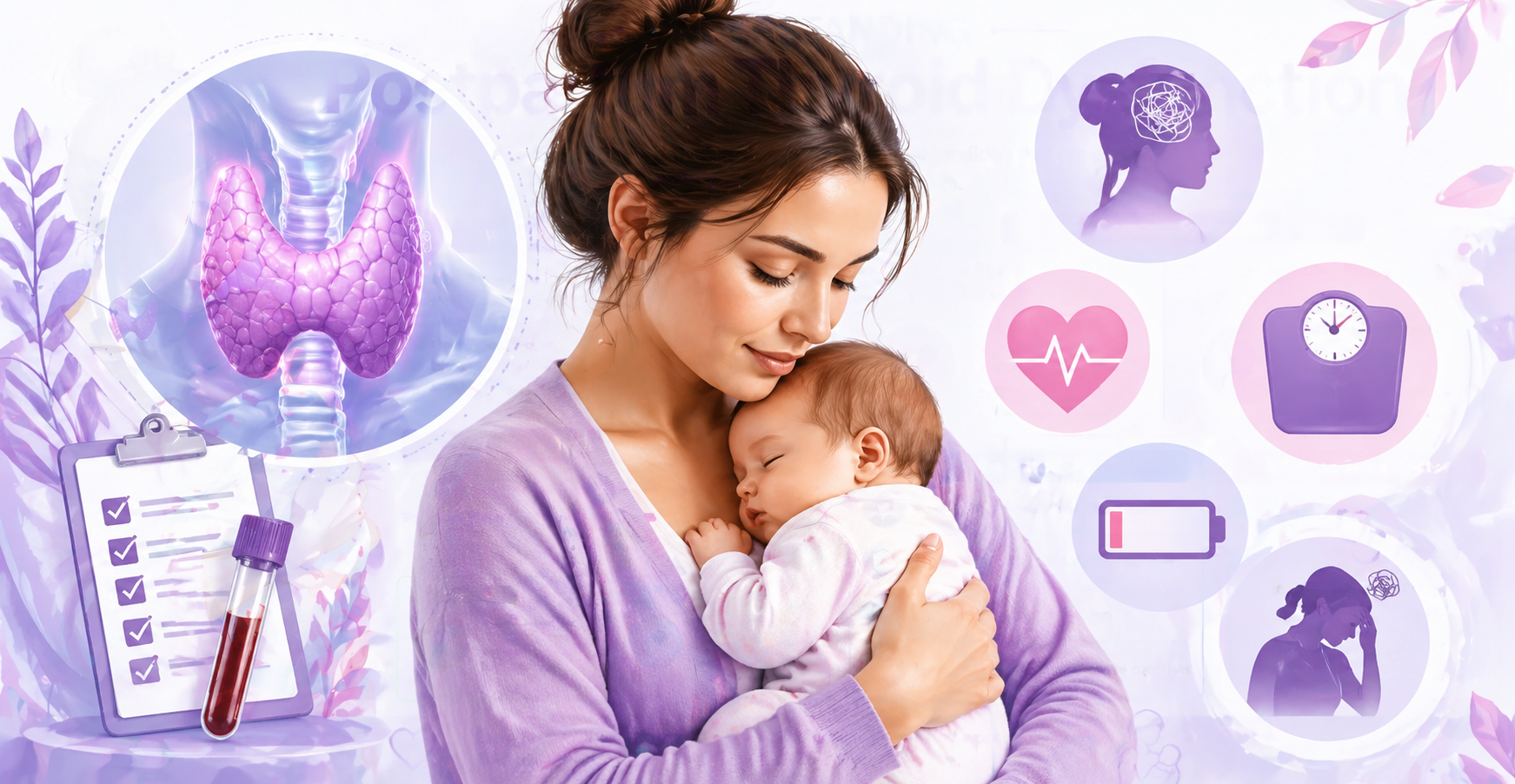
- Increased heart rate: Feeling like your heart is racing or pounding.
- Weight loss: Despite an increased appetite.
- Excessive sweating: Sweating more than usual, especially at night.
- Tremors: Shaking hands or feeling jittery.
- Irritability or anxiety: Increased nervousness or feeling on edge.
- Fatigue: Even though you might be sleeping enough, you still feel
exhausted.
These symptoms can often be confused with normal postpartum tiredness, so it’s essential to
monitor their intensity and persistence.
Hypothyroidism Symptoms
In contrast, hypothyroidism happens when the thyroid doesn’t produce enough hormones, slowing
down metabolism. Symptoms include:
- Weight gain: Gaining weight despite no change in diet.
- Fatigue: Feeling sluggish or constantly tired, even after rest.
- Cold sensitivity: Feeling cold even in warm environments.
- Dry skin and hair: Skin becoming rough and hair thinning.
- Constipation: Trouble with regular bowel movements.
- Depression: A noticeable dip in mood, leading to feelings of sadness or
hopelessness.
Hypothyroidism can severely affect a new mother’s ability to care for herself and her baby,
making it vital to address this condition promptly.
Causes of Postpartum Thyroid Dysfunction
While the exact cause of postpartum thyroid dysfunction remains unclear, several factors
contribute to its development:
- Hormonal Fluctuations: After childbirth, the body undergoes significant
hormonal changes that can trigger thyroid issues.
- Autoimmune Conditions: Women with autoimmune diseases like Hashimoto’s
thyroiditis are more prone to developing postpartum thyroid dysfunction.
- Pre-existing Thyroid Disorders: If you’ve had thyroid problems before
pregnancy, you may be at an increased risk.
- Genetics: A family history of thyroid issues increases the likelihood of
developing postpartum thyroid dysfunction.
Diagnosis of Postpartum Thyroid Dysfunction
If you’re experiencing the symptoms of thyroid dysfunction, your doctor will typically conduct
blood tests to measure your thyroid hormone levels:
- TSH (Thyroid Stimulating Hormone): An elevated TSH indicates
hypothyroidism, while a low TSH points to hyperthyroidism.
- T3 and T4: These are the thyroid hormones. Low levels suggest
hypothyroidism, and high levels indicate hyperthyroidism.
- Thyroid Antibodies: To check for autoimmune causes like Hashimoto’s
thyroiditis, which may lead to thyroid dysfunction.
These tests, along with a physical exam, will help your doctor, an experienced endocrinologist
in Mumbai, determine whether you have postpartum thyroid dysfunction and guide the
treatment
approach.
Treatment for Postpartum Thyroid Dysfunction
Treatment for Hyperthyroidism
If diagnosed with hyperthyroidism, your doctor will focus on reducing excessive thyroid hormone
levels. Treatment options include:
- Antithyroid Medications: Drugs like methimazole can help block the thyroid
from producing excess hormones.
- Beta-blockers: These medications can help manage symptoms like rapid heart
rate and anxiety.
- Radioactive Iodine: In more severe cases, radioactive iodine may be used to
destroy overactive thyroid cells.
Many women with hyperthyroidism find that their condition improves within 12-18 months
post-birth, but some may need ongoing treatment.
Treatment for Hypothyroidism
The main treatment for hypothyroidism is thyroid hormone replacement therapy. This involves
taking synthetic thyroid hormones, typically in the form of levothyroxine, to bring hormone
levels back to normal. Over time, the dosage may need to be adjusted based on regular monitoring
of thyroid function.
With appropriate treatment, most women with hypothyroidism can lead a healthy, normal life.
Consistent follow-up with your doctor ensures that the thyroid hormone levels remain stable.
Bombay Hospital offers specialized care in Cardiology, Neurology, Gastroenterology, Nephrology,
Plastic Surgery, Oncology, and many other fields. For
individuals dealing with thyroid dysfunction or any other health concerns, Bombay Hospital
provides comprehensive consultation and treatment options. You can schedule an appointment or
inquire about their services at:
Bombay Hospital
12, Vitthaldas Thackersey Marg, New Marine Lines,
Marine Lines, Mumbai, Maharashtra 400020.
Frequently Asked Questions (FAQs)
In many cases, postpartum thyroid dysfunction resolves within 12-18 months. However,
it’s crucial to monitor your symptoms and seek medical help for proper management.
Yes, it affects approximately 5-10% of women after childbirth, making it a fairly common
condition.
Symptoms usually appear within the first year after delivery, but they can develop as
early as a few weeks post-birth.
Both hyperthyroidism and hypothyroidism can impact milk production. It’s important to
manage thyroid levels to avoid complications with breastfeeding.
Yes, untreated thyroid dysfunction can lead to complications such as heart issues,
weight gain, and depression. Seeking treatment is essential for a healthy recovery.
Conclusion
Postpartum thyroid dysfunction is a condition that can seriously affect your health and well-being
after childbirth. If you are experiencing symptoms like fatigue, weight changes, or mood swings,
it’s important to consult a doctor to rule out thyroid dysfunction. Early diagnosis and treatment
can help you recover and feel like yourself again. If you are in Mumbai, Bombay Hospital offers
expert care for thyroid issues and other health concerns. Don't hesitate to seek help – your health
and happiness matter.