Dengue fever, a viral infection spread by mosquitoes, is a major health concern, particularly in
tropical and subtropical regions. In India, where the prevalence of the disease is high, awareness and
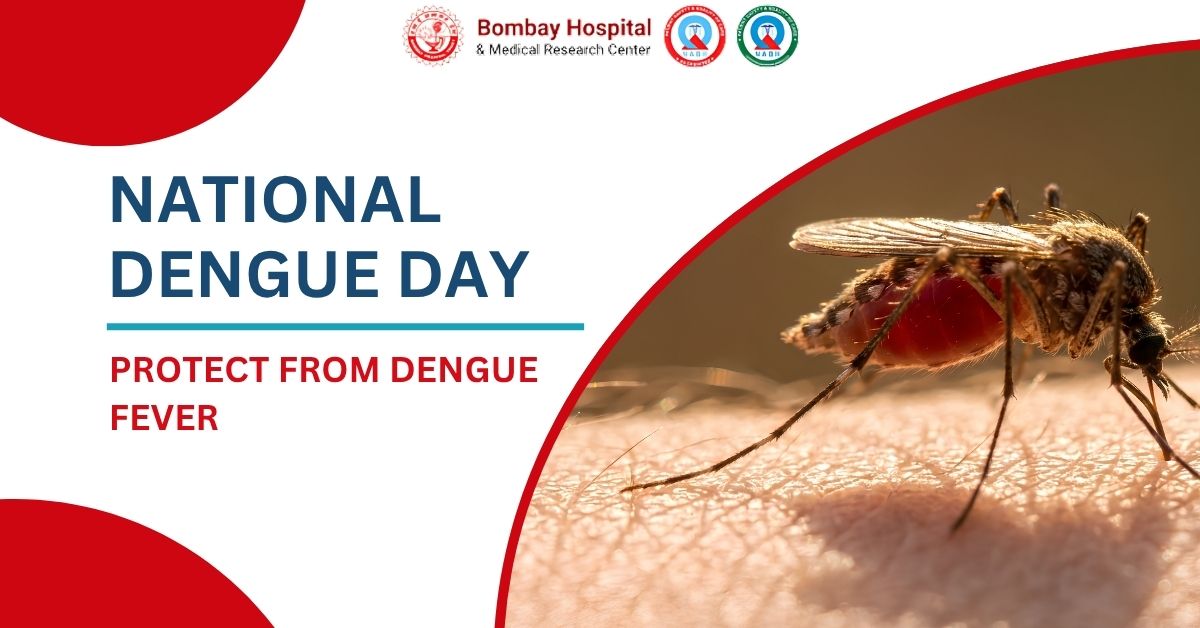
prevention are crucial. National Dengue Day, observed every year on May 16th, serves as a reminder for
everyone to take necessary precautions to protect themselves and their families from dengue fever. As
part of the efforts to combat such infections, specialists in General Medicine &
Infectious Disease play a vital role in providing diagnosis, treatment, and guidance. This blog
aims to provide valuable information on the dengue situation in India, preventive measures, and
government initiatives that can help control the spread of the disease.
Dengue Situation in India (2020–2025)
Dengue fever has been a recurring problem in India for several years, with fluctuating
case numbers. Between 2020 and 2025, the country has seen a consistent rise in dengue
cases, particularly in urban areas. The monsoon season, along with increased mosquito
breeding, contributes to these higher incidences. The Aedes mosquitoes, which transmit
the dengue virus, breed in stagnant water and are most active during the daytime. Their
presence tends to peak in the post-monsoon period, exacerbating the risk of outbreaks.
Urbanization, inadequate waste management, and poor drainage systems in cities further
increase the number of breeding sites, making dengue control a significant challenge.
Over the past few years, efforts have been made to control the spread of dengue, but
challenges remain. The increased urbanization and poor waste management systems in many
cities have led to increased breeding grounds for mosquitoes, making it harder to
control outbreaks. In such situations, a general medicine
specialist in Mumbai
may also
play a crucial role in addressing complications arising from severe dengue cases,
ensuring timely treatment and reducing the risk of further health issues.
Why Do We Observe National Dengue Day?
National Dengue Day, observed on May 16th every year, aims to raise awareness about the
importance of prevention and control of dengue fever. The day encourages citizens to take action
and adopt preventive measures, such as eliminating mosquito breeding sites and using mosquito
repellents. It also highlights the need for timely medical intervention in case of dengue fever
to avoid complications and deaths.
The significance of this day lies in its ability to bring the issue to the forefront, urging
both individuals and communities to take proactive steps in reducing the incidence of dengue.
Public health campaigns play a crucial role in educating the public on how to protect
themselves, especially during peak seasons for mosquito activity. A general medicine specialist
in Mumbai can also provide valuable insights into the impact of such diseases and the
importance
of early intervention in severe cases. By working alongside public health efforts, healthcare
professionals help ensure that the community stays informed and protected.
Preventive Measures
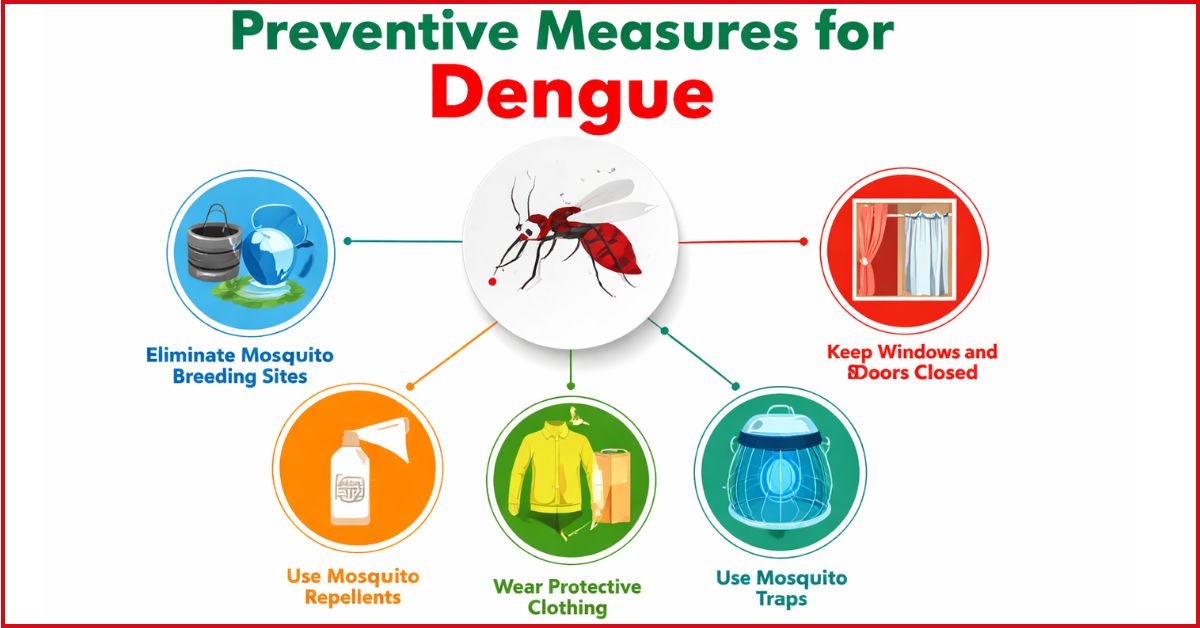
Prevention is key when it comes to dengue fever. Below are some essential preventive
measures:
- Eliminate Mosquito Breeding Sites: The Aedes mosquito breeds in
stagnant water. Ensure that all containers, such as flower pots, buckets, and old
tires, are not left with standing water. Clean your surroundings and ensure proper
drainage to prevent water accumulation.
- Use Mosquito Repellents: Apply mosquito repellent creams or sprays
on exposed skin, especially during the daytime when mosquitoes are most active.
Mosquito nets can also provide protection while sleeping.
- Wear Protective Clothing: When possible, wear long-sleeved shirts
and long pants to minimize exposure to mosquito bites. This is especially important
for individuals living in areas with a high mosquito population.
- Keep Windows and Doors Closed: Use mesh screens or nets on windows
and doors to prevent mosquitoes from entering your home.
- Use Mosquito Traps: Mosquito traps can help reduce the mosquito
population in your area, further minimizing the risk of dengue.
Other Initiatives by the Government in India
The Indian government has implemented various programs to combat the spread of dengue fever.
These initiatives include:
- Fogging and Spraying Programs: Local health authorities conduct fogging and
spraying of insecticides to kill mosquitoes in areas with high mosquito populations. This
helps in reducing the chances of outbreaks.
- Public Awareness Campaigns: National Dengue Day itself is part of a larger
effort to spread awareness about dengue fever and its prevention. The government
collaborates with health organizations to educate the public through various media channels,
including television, radio, and social media.
- Research and Development: The government supports research in finding
vaccines and treatments for dengue. Efforts are also focused on developing better diagnostic
tools for early detection of the disease.
- Collaboration with International Organizations: India collaborates with
global health organizations such as the World Health Organization (WHO) to improve dengue
control measures and enhance the capacity of healthcare facilities to handle outbreaks.
Consultation at Bombay Hospital
For those concerned about dengue fever or experiencing symptoms like high fever, severe
headache, joint pain, and rash, it is essential to seek timely medical attention. Bombay Hospital, a leading tertiary care hospital in
Mumbai,
offers comprehensive diagnostic and
therapeutic services for patients suffering from dengue and other infectious diseases. With
expertise in multiple specialties, including Cardiology, Cardiovascular Thoracic Surgery,
Endocrinology, Gastroenterology, Nephrology, Neurology, Neurosurgery, Paediatric Surgery,
Plastic Surgery, Pulmonary Medicine, Rheumatology, Urology, and Oncology, the hospital is
equipped to provide top-notch care.
To book a consultation, visit Bombay Hospital Mumbai
FAQs
The common symptoms of dengue fever include high fever, severe headache, pain behind the
eyes, joint and muscle pain, rash, and nausea. If you experience any of these symptoms,
seek medical attention immediately.
To protect your home from mosquitoes, remove any standing water from containers, use
mosquito repellents, install screens on windows and doors, and consider using mosquito
traps.
Dengue fever requires medical attention. It is important to stay hydrated and take
prescribed medications to manage symptoms, but severe cases may require hospitalization.
Yes, there is a vaccine for dengue fever, but it is currently recommended only for
individuals who have previously been infected with the virus. Consult a healthcare
provider for advice.
You can prevent mosquito bites by wearing long-sleeved clothing, using mosquito
repellent, and sleeping under a mosquito net if necessary.
Conclusion
Dengue fever continues to be a serious health threat in India, but through collective efforts,
including increased awareness and preventive measures, we can minimize its impact. By observing
National Dengue Day, we not only raise awareness but also remind ourselves of the importance of
staying vigilant in preventing dengue. If you or your family members experience symptoms of dengue,
don't hesitate to seek professional medical advice. Taking proactive steps can ensure better
protection against this dangerous disease.