Introduction
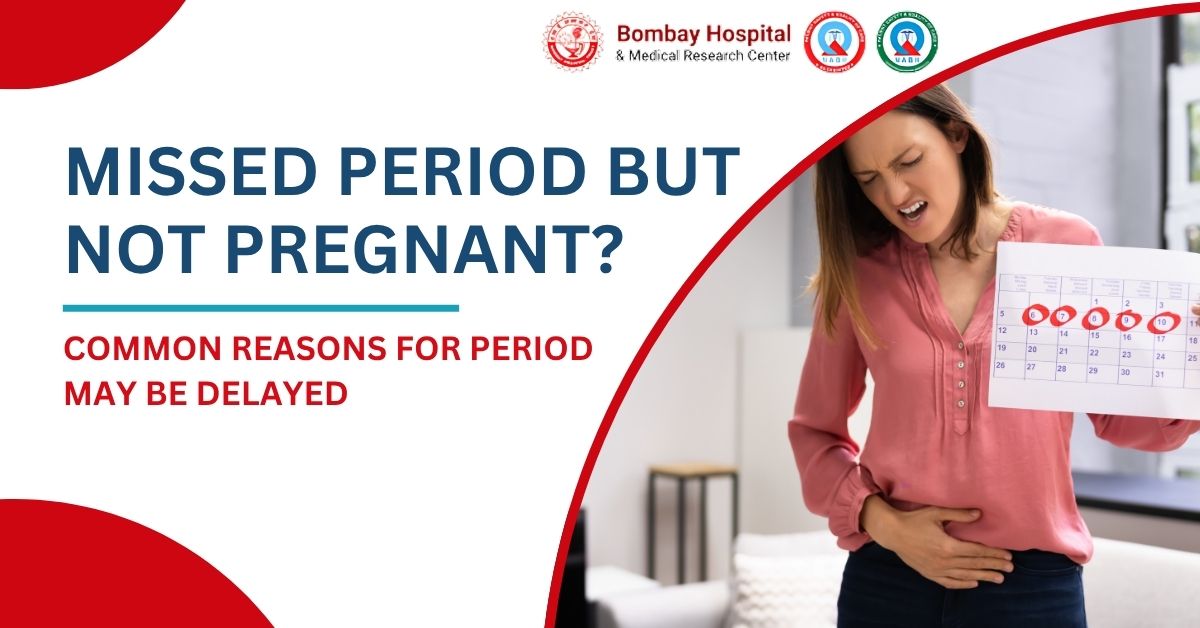
A missed period can be confusing, especially when a pregnancy test shows a negative result. Many women immediately worry about pregnancy, but several other factors can affect the menstrual cycle. Hormonal changes, stress, PCOS, thyroid problems, lifestyle changes, and certain medical conditions may delay your periods.
Understanding why your period is late can help you take the right next step. This guide explains the common reasons for missed periods, symptoms to look for, tests doctors may recommend, and when you should consult a specialist for proper care.
Period Delayed But Pregnancy Test Negative: What Does It Mean?
If your period is delayed but your pregnancy test is negative, it may happen due to changes in ovulation or hormone levels. Sometimes, a pregnancy test taken too early may not detect pregnancy hormones. If your period continues to remain delayed, repeating the test or consulting a doctor can help identify the actual reason.
A menstrual cycle depends on a balance of hormones that control ovulation and bleeding. Any disruption in this process can result in delayed or missed periods. Consulting an experienced gynaecologist in Mumbai can help determine whether the delay is related to hormonal imbalance, reproductive health concerns, or lifestyle factors.
Common Reasons Why Your Period May Be Delayed
The following are some of the common reasons why periods may be delayed or irregular:
1. Stress Can Affect Your Menstrual Cycle
Stress is one of the most common reasons for delayed periods. When you experience ongoing emotional or physical stress, your body may produce higher levels of stress hormones. These hormones can affect the signals responsible for ovulation.
Common stress-related triggers include: Work pressure, poor sleep routine, emotional stress, major lifestyle changes, and excessive physical activity. Managing stress through regular sleep, balanced nutrition, relaxation techniques, and moderate exercise may support better menstrual health.
2. PCOS Can Cause Irregular or Missed Periods
Polycystic Ovary Syndrome (PCOS) is a common hormonal condition that affects ovulation. When ovulation does not happen regularly, periods may become delayed or irregular.
Women with PCOS may experience periods occurring after long gaps, acne, increased facial hair growth, weight changes, and difficulty becoming pregnant. Proper diagnosis and treatment can help manage PCOS symptoms and improve menstrual regularity. A gynaecology doctor in Mumbai can evaluate your symptoms and recommend suitable investigations and treatment options.
3. Thyroid Problems May Affect Periods
The thyroid gland plays an important role in regulating metabolism and reproductive hormones. Both an underactive thyroid and an overactive thyroid can affect menstrual cycles.
Thyroid-related menstrual changes may include delayed periods, heavy or lighter bleeding, irregular cycles, and changes in energy levels. A doctor may recommend thyroid blood tests if your symptoms suggest a hormonal imbalance.
4. Weight Changes and Nutrition Deficiency
Sudden weight gain or weight loss can influence hormone production and affect ovulation. Very low body weight, strict dieting, or excessive exercise may reduce the hormones required for regular periods.
A balanced diet containing proteins, healthy fats, vitamins, and minerals supports overall reproductive health. Women planning pregnancy should also focus on maintaining good health before conception. With proper medical guidance and regular health checks, a healthy pregnancy after 35 can be achieved for many women.
5. Increased Prolactin Levels
Prolactin is a hormone involved in breast milk production. Higher-than-normal prolactin levels can interfere with ovulation and cause delayed or missed periods.
Possible signs of increased prolactin may include irregular periods, breast discharge without pregnancy, and difficulty with conception. Your doctor may recommend blood tests to check hormone levels and identify the underlying cause.
6. Breastfeeding and Postpartum Hormonal Changes
Women who have recently delivered a baby may experience delayed periods during breastfeeding. This happens because breastfeeding increases prolactin levels, which can temporarily prevent ovulation.
The timing of periods returning after childbirth varies from woman to woman. If periods remain absent for a long time or you experience unusual symptoms, discussing it with a doctor can provide clarity.
7. Age-Related Hormonal Changes
Hormonal changes during different stages of life can affect menstrual patterns.
Teenagers may have irregular periods during the first few years after their first period because their hormones are still adjusting. Women approaching menopause may also experience missed periods, changes in cycle length, and changes in bleeding patterns. A medical consultation can help differentiate normal hormonal changes from conditions that require treatment.
Symptoms That May Occur Along With a Missed Period
A delayed period may occur alone or with other symptoms. Pay attention to changes such as pelvic pain or cramps, sudden weight changes, acne or unwanted hair growth, excessive tiredness, unusual vaginal discharge, and heavy bleeding after a missed period. Sharing these details with your doctor helps in reaching the correct diagnosis.
How Do Doctors Diagnose the Cause of a Missed Period?
During a consultation, your doctor will review your menstrual history, lifestyle habits, medical conditions, medications, and symptoms. Depending on your condition, the evaluation may include a pregnancy test, blood tests for thyroid, prolactin, and reproductive hormones, and a pelvic ultrasound to identify conditions such as PCOS, ovarian cysts, or other reproductive health concerns. A detailed evaluation allows doctors to provide treatment based on the actual cause rather than only managing symptoms.
Treatment Options for Delayed Periods
Treatment depends on why your periods are delayed. Examples include lifestyle changes for stress-related irregular cycles, hormonal treatment for specific hormonal concerns, thyroid management when thyroid disorders are identified, and PCOS management through lifestyle changes and medicines when required. Avoid self-medicating or taking hormonal medicines without medical advice, as the correct treatment depends on your individual health condition.
Expert Consultation for Menstrual Problems
Irregular periods can happen due to several reasons, and identifying the exact cause is important for proper management. The Department of Gynaecology & Obstetrics provides evaluation and treatment for menstrual problems, hormonal disorders, pregnancy planning, and other women’s health concerns.
Women looking for specialised care can consult experienced specialists at Bombay Hospital Mumbai, where comprehensive women’s healthcare services are available with advanced diagnostic facilities and expert medical guidance. Choosing a trusted gynaecology hospital in Mumbai allows women to receive proper evaluation and personalised treatment for menstrual and reproductive health concerns.
When Should You Consult a Doctor for a Missed Period?
You should consider medical advice if your period is delayed for more than three months, your cycles frequently become irregular, you experience severe pelvic pain, you notice unusual bleeding, you have symptoms of hormonal imbalance, or you are trying to conceive and have irregular periods. Early consultation can help identify conditions like PCOS, thyroid disorders, or other hormonal concerns at the right time.
FAQs About Missed Periods
A period may occasionally be delayed by a few days due to stress, lifestyle changes, or hormonal fluctuations. If your periods are frequently delayed or absent for several months, medical evaluation is recommended.
Yes, stress can affect hormone signals responsible for ovulation. This may delay your period even when pregnancy is not the cause.
PCOS can cause very irregular periods and, in some cases, periods may stop for several months due to lack of regular ovulation. A doctor can suggest appropriate management after diagnosis.
Doctors may recommend pregnancy tests, hormone tests, thyroid tests, prolactin tests, and pelvic ultrasound depending on your symptoms.
A gynaecologist is the right specialist for evaluating delayed or irregular periods. Consulting one of the
top 10 gynaecologists in Mumbai can help you receive expert advice and appropriate treatment.
Conclusion
A missed period does not always mean pregnancy. Hormonal changes, stress, PCOS, thyroid problems, weight changes, breastfeeding, and other health conditions can affect your menstrual cycle. Tracking your periods and noticing changes in your body can help you seek timely medical advice. Women who need evaluation for delayed periods, hormonal concerns, or pregnancy planning can consult specialists at a top maternity hospital in Mumbai for complete care and guidance. Proper diagnosis and personalised treatment can help support better reproductive health.