Introduction
A stroke can affect more than movement and speech. Many stroke survivors experience changes in memory, concentration, and thinking abilities that can make daily activities difficult. Forgetting recent conversations, struggling to follow routines, or feeling mentally slower after a stroke can be concerning for patients and families. Understanding why memory loss happens after stroke, how recovery works, and when to seek expert guidance can help patients take the right steps toward better brain health.
Why Does Memory Loss Happen After a Stroke?
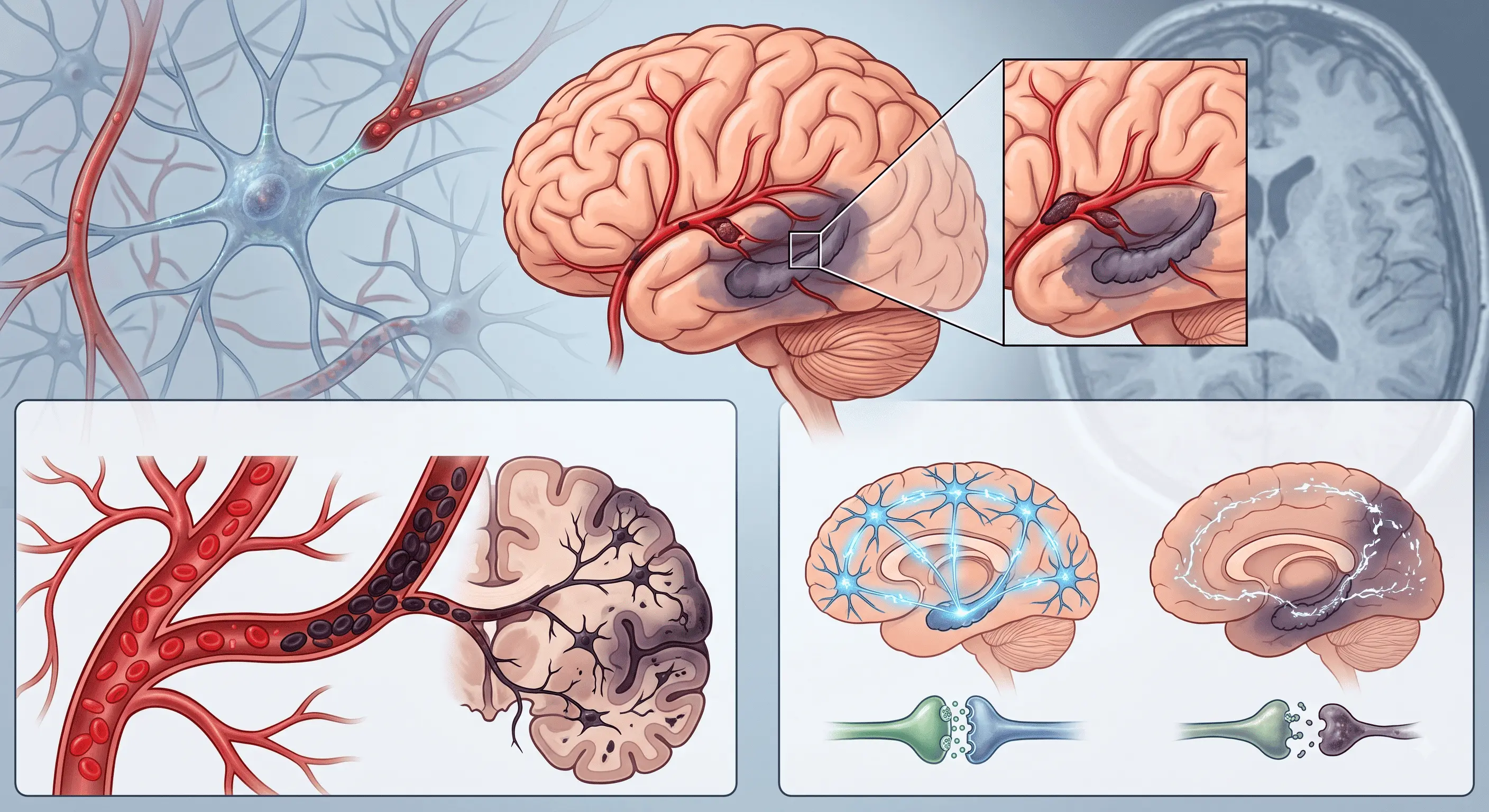
Memory loss after stroke occurs because a stroke can damage areas of the brain responsible for storing, processing, and recalling information. When blood supply to the brain is interrupted or bleeding occurs, brain cells in the affected area may not receive enough oxygen and nutrients.
The impact on memory depends on the location and severity of the stroke. Areas such as the hippocampus and other connected brain networks play an important role in learning and memory. Damage to these regions can affect a person’s ability to remember new information or recall past events.
Memory problems after stroke may occur due to:
Damage to Memory-Related Brain Areas
Different parts of the brain control different functions. If a stroke affects regions involved in memory formation, patients may find it difficult to remember names, appointments, conversations, or recent experiences.
Problems With Attention and Concentration
Sometimes, the problem is not only memory itself. After a stroke, reduced attention and concentration can make it harder to absorb new information. A person may appear forgetful because they are unable to focus properly while receiving information.
Changes in Brain Communication
The brain works through complex networks. A stroke can interrupt communication between these networks, affecting problem-solving skills, planning ability, and decision-making.
Emotional Changes After Stroke
Depression, anxiety, and emotional stress after stroke can also affect concentration and memory. Addressing these concerns is an important part of complete stroke recovery.
What Types of Memory Problems Can Occur After Stroke?
Memory changes after a stroke can vary from person to person. Some common difficulties include:
- Forgetting recent events or conversations
- Difficulty learning new information
- Repeating the same questions
- Misplacing everyday items
- Trouble managing medicines or appointments
- Difficulty planning daily activities
Some patients experience short-term memory problems, while others may have difficulty with problem-solving and organising tasks. These changes can affect independence and confidence.
Early evaluation helps Neurosurgeon understand whether the memory issue is directly related to stroke damage or other factors affecting brain function.
Can Memory Improve After a Stroke?
Many patients experience improvement in memory and cognitive abilities after a stroke, especially when they receive timely rehabilitation and medical support. Recovery depends on factors such as the affected brain area, stroke severity, overall health, and rehabilitation efforts.
The brain has the ability to adapt and create new connections through neuroplasticity. Rehabilitation focuses on helping the brain develop strategies to improve daily functioning.
Recovery approaches may include:
Cognitive Rehabilitation
Cognitive rehabilitation involves exercises and techniques that improve memory, attention, and thinking skills. Therapists may use memory exercises, task-based activities, and practical strategies to help patients manage everyday challenges.
Lifestyle Support
Healthy habits can support brain recovery. Regular physical activity, controlling blood pressure and diabetes, maintaining good sleep habits, and following a balanced diet can contribute to better overall recovery.
Regular Medical Follow-Up
Continuous monitoring helps doctors identify changes in brain function and manage factors that may increase the risk of another stroke.
How Does Neurosurgery Help in Stroke-Related Memory Problems?
Many people associate stroke recovery only with medicines and rehabilitation. In some cases, specialised evaluation through neurosurgery becomes important, especially when stroke involves bleeding in the brain, pressure caused by swelling, or conditions requiring surgical management.
A specialist evaluates brain imaging reports such as CT or MRI scans to understand:
- Type of stroke
- Location of brain injury
- Severity of damage
- Need for surgical intervention
- Long-term recovery planning
A Neurosurgery specialist in Mumbai can help patients understand the neurological impact of stroke and guide them toward appropriate treatment and rehabilitation options.
Diagnosis and Treatment Approach for Memory Loss After Stroke
A detailed assessment is necessary to understand the reason behind memory changes. During evaluation, doctors may review:
- Previous stroke history
- Symptoms and their progression
- Neurological examination findings
- Brain imaging reports
- Memory and cognitive assessments
Treatment focuses on the individual needs of the patient. Some patients may require cognitive therapy, while others may need management of underlying conditions affecting brain health.
For patients seeking advanced stroke and brain care, a neurosurgery hospital in Mumbai provides access to specialised doctors, diagnostic facilities, and multidisciplinary rehabilitation support. A detailed evaluation by a best neurosurgeon Mumbai can help create a treatment approach based on the patient’s specific condition rather than a one-size-fits-all plan.
When Should You Consult a Neurosurgeon?
Memory problems after stroke should be evaluated when they interfere with daily life. Seeking medical advice early can help identify the cause and create a suitable recovery plan.
Consult a specialist if you notice:
- Increasing forgetfulness after stroke
- Difficulty performing familiar tasks
- Confusion about time or surroundings
- Changes in behaviour
- Problems with speech, understanding, or decision-making
Choosing an experienced neurosurgeon Mumbai patients trust can help ensure proper evaluation and personalised care.
For individuals looking for comprehensive stroke management, Bombay Hospital Mumbai provides specialised medical services with experienced healthcare professionals involved in neurological diagnosis and treatment.
FAQs
Yes, memory problems are among the cognitive changes that some stroke survivors experience. The severity depends on the area of the brain affected and the extent of injury.
Yes, many patients experience improvement with proper rehabilitation, cognitive exercises, and medical care. Recovery varies depending on individual health factors and stroke severity.
Recovery timelines differ for every patient. Some improvements may appear within the first few months, while others may continue improving with long-term rehabilitation.
A neurosurgeon evaluates the brain changes caused by stroke and manages conditions where surgical or specialised neurological care may be required.
Families can help by maintaining a structured routine, encouraging rehabilitation activities, attending follow-up appointments, and providing emotional support.
Conclusion
Memory loss after stroke can be challenging, but it does not always mean permanent loss of brain function. Early evaluation, personalised rehabilitation, and expert medical guidance can help many patients improve their memory and daily independence. If you notice memory changes after a stroke, consulting a qualified specialist can help you understand the cause and explore suitable recovery options.