Human Papillomavirus (HPV) is one of the most common viral infections in the world and is a significant concern in gynecology, as certain types of HPV can lead to cervical cancer. While most people with HPV do not experience symptoms, certain strains of the virus can cause severe health problems, including cervical cancer. Understanding how HPV works and its link to cervical cancer is crucial for prevention, early detection, and treatment. In this blog, we will explore HPV, its role in cervical cancer, and how you can protect yourself from the virus. We'll also provide insights into the importance of regular screenings and vaccinations to reduce the risk of cervical cancer.
What is Human Papillomavirus (HPV)?
HPV is a group of more than 200 related viruses that can affect the skin and mucous membranes, such as the cervix, vagina, vulva, penis, anus, mouth, and throat. The virus is primarily spread through skin-to-skin contact, and it is most commonly transmitted through sexual activity.
There are two main categories of HPV:
- Low-Risk HPV – These types can cause genital warts, but they do not lead to cancer.
- High-Risk HPV – These are the types that are most commonly linked to various cancers, including cervical cancer, anal cancer, and throat cancer.
HPV infections are quite common, and most sexually active people will contract at least one type of HPV in their lifetime. In many cases, the immune system clears the infection naturally. However, if the infection persists, it can lead to abnormal changes in the cells of the cervix, which may eventually develop into cancer. A gynecologist plays a crucial role in monitoring and detecting these changes early through regular screenings, helping to prevent the progression to cervical cancer.
How Does HPV Lead to Cervical Cancer?
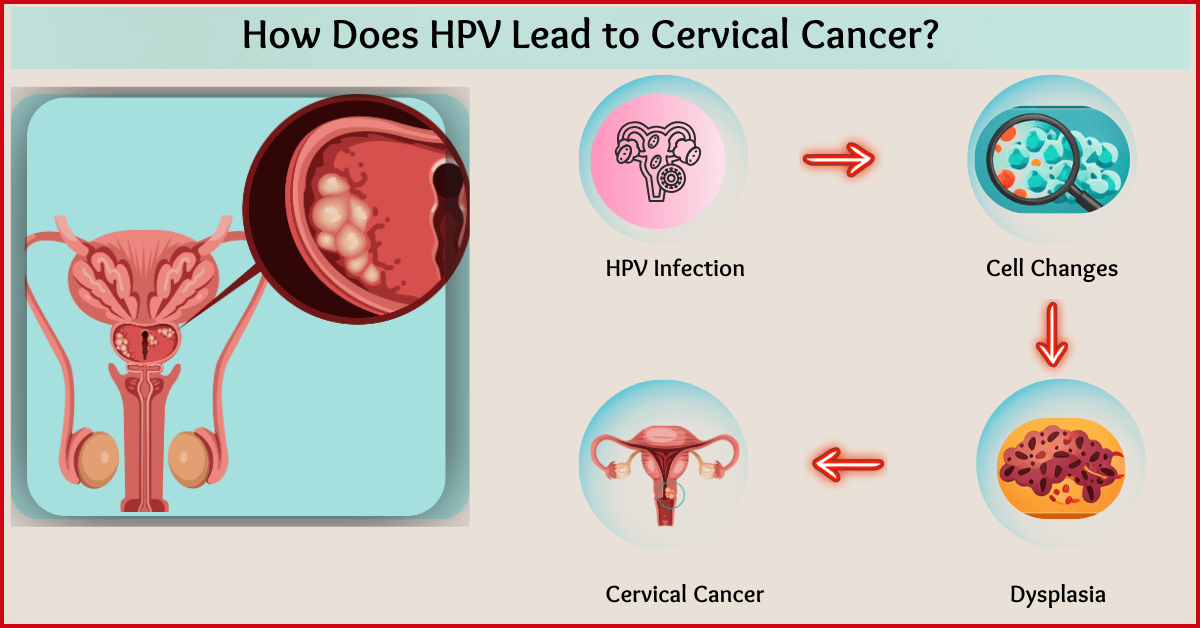
Cervical cancer is primarily caused by persistent infection with high-risk strains of HPV. Here's how it progresses:
- HPV Infection – When a person is infected with a high-risk strain of HPV, the virus enters the cells of the cervix. Most infections are temporary and the body's immune system clears them. However, in some cases, the infection persists.
- Cell Changes – Persistent HPV infections can cause changes in the cells of the cervix. These changes can be detected through a Pap smear or HPV test.
- Dysplasia – Over time, the infected cells may begin to grow abnormally, leading to a condition called dysplasia. This stage can be categorized as mild, moderate, or severe, depending on the extent of the changes.
- Cervical Cancer – If left untreated, these abnormal cells can develop into invasive cervical cancer. This process usually takes several years, which is why regular screening is crucial.
For more information and to book a consultation with a gynecologist specializing in cervical cancer and HPV-related conditions, visit Bombay Hospital in Mumbai.
Importance of Regular Screening
Early detection of abnormal cell changes through regular Pap smears or HPV testing can prevent cervical cancer. These tests can identify cell changes before they become cancerous, allowing for prompt treatment and reducing the risk of developing cancer.
The Pap smear has been instrumental in reducing cervical cancer rates globally by detecting precancerous changes in the cervix. The HPV test, which identifies the presence of high-risk HPV strains, can further enhance early detection.
HPV Vaccination: A Key Preventive Measure
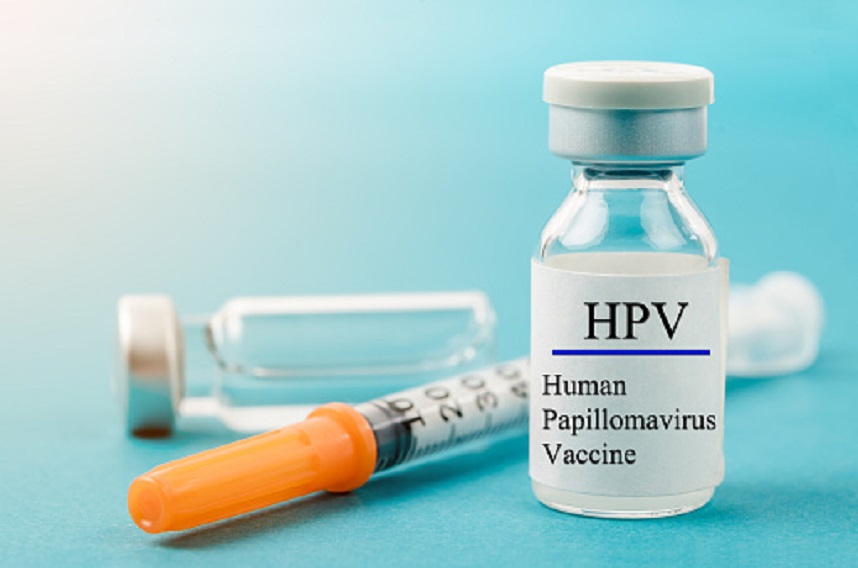
One of the most effective ways to prevent HPV-related cancers, including cervical cancer, is through vaccination. The HPV vaccine protects against the most common high-risk strains that cause cervical cancer.
- When Should You Get Vaccinated? – The HPV vaccine is typically given to children between the ages of 11 and 12, but it can be administered to both girls and boys up to the age of 26. In some cases, adults up to the age of 45 may benefit from the vaccine as well.
- How Effective Is the Vaccine? – The HPV vaccine is highly effective in preventing infections with the most common high-risk strains of HPV. It also helps reduce the risk of developing cervical cancer and other HPV-related cancers.
- Why Is the Vaccine Important? – The vaccine has been shown to significantly reduce the incidence of HPV infections and cervical cancer, making it a critical tool in public health.
What to Do If You Have HPV?
Most HPV infections do not lead to cancer, and the virus often clears on its own without any need for treatment. However, if you have a persistent infection with a high-risk strain, your gynecologist may recommend regular screening and follow-up tests to monitor for any abnormal cell changes. In some cases, treatment may be necessary to remove abnormal cells before they become cancerous.
Consultation: Your Trusted Gynecologist in Mumbai
For comprehensive care and guidance on HPV and cervical cancer, it's essential to consult a specialized gynecologist. In Mumbai, a city known for its advanced medical facilities, patients can find expert gynecologists who specialize in women's health, including HPV-related concerns. Bombay Hospital, located in the heart of South Mumbai, is a leading medical center known for its expertise in oncology, gynecology, and other specialties.
Bombay Hospital is renowned for providing world-class care across a variety of specialties, including: Cardiology, Cardiovascular Thoracic Surgery, Endocrinology, Gastroenterology, Nephrology, Neurology, Neurosurgery, etc.
For appointments, queries, or treatment support, you may contact Bombay Hospital Mumbai.
Bombay Hospital
12, Vitthaldas Thackersey Marg, near Liberty Cinema, New Marine Lines,
Marine Lines, Mumbai, Maharashtra 400020.
FAQs on HPV and Cervical Cancer
In the early stages, cervical cancer may not show any noticeable symptoms. As the disease progresses, symptoms can include abnormal vaginal bleeding, pain during sex, and unusual discharge.
HPV often does not cause symptoms. The virus is typically detected through a Pap smear or HPV test.
There is no cure for HPV itself, but the immune system often clears the virus within a couple of years. Abnormal cell changes caused by the virus can be treated to prevent cancer.
Getting the HPV vaccine, practicing safe sex, and undergoing regular screenings are the best ways to protect yourself.
Yes, the HPV vaccine is considered safe and is recommended by health organizations worldwide. It has been extensively studied and shown to be effective in preventing HPV-related cancers.
Cervical cancer is a preventable disease, and the key to prevention lies in understanding the role of HPV. By getting vaccinated, attending regular screenings, and seeking medical advice when necessary, you can take proactive steps toward protecting your health. Don't wait—consult your gynecologist for the best advice and treatment tailored to your needs.

.png)