Introduction
Polycystic Ovarian Disease (PCOD) is a common condition affecting women, often causing irregular
menstrual cycles, fertility issues, and other physical and emotional symptoms. While the exact cause of
PCOD is still not fully understood, stress has been identified as one of the significant factors that
can aggravate its symptoms. The connection between stress and PCOD is complex, and understanding how
stress impacts the body is crucial for better management of this condition. If you are looking for
expert care and advice on managing PCOD, consulting a gynaecologist in Mumbai can be an
important step. In this blog, we will explore the common symptoms of PCOD, how stress contributes to its
progression, and how you can effectively manage both.
Common Symptoms of PCOD
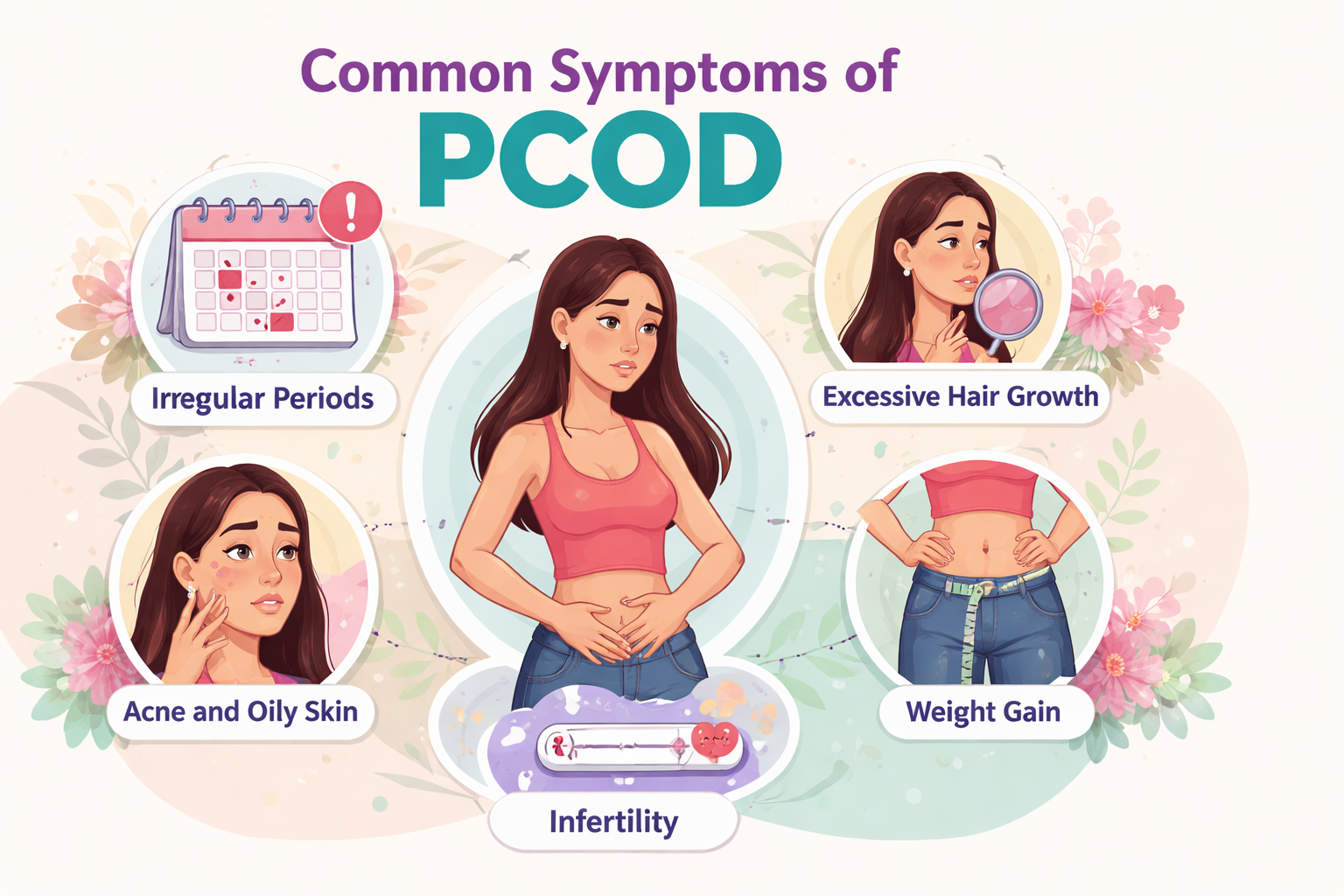
PCOD manifests in various symptoms, with each woman experiencing it differently. The
most common signs include:
- Irregular Periods: Women with PCOD often experience infrequent or
prolonged menstrual cycles, which may lead to unpredictable periods.
- Excessive Hair Growth: Increased androgen (male hormone) levels can
cause unwanted hair growth, particularly on the face, chest, or back.
- Acne and Oily Skin: Elevated hormone levels can lead to skin issues
such as acne or excess oil production, particularly around the face and shoulders.
- Weight Gain: Many women with PCOD struggle with weight gain,
particularly around the abdomen, which can further complicate managing the
condition.
- Infertility: Due to irregular ovulation, women with PCOD may face
challenges in conceiving naturally.
Understanding these symptoms helps in recognizing PCOD early and seeking proper PCOD treatment in
Mumbai, which can provide the right medical guidance and solutions to manage the
condition effectively.
Prevalence and Causes of PCOD
PCOD affects approximately 5-10% of women of reproductive age worldwide, making it one of the
most prevalent endocrine disorders. Although the exact causes are still under investigation,
genetics and lifestyle factors like poor diet, lack of exercise, and high levels of stress play
a significant role in its development.
Genetic predisposition is one factor that makes women more susceptible to PCOD. If your mother
or sister has the condition, you may be at a higher risk. Lifestyle choices, particularly those
that contribute to high-stress levels, can exacerbate hormonal imbalances in the body, leading
to PCOD symptoms.
Understanding the Relationship Between Stress and PCOD
Symptoms
Stress can affect the body in numerous ways, and its impact on hormonal balance is especially
profound for women with PCOD. Stress activates the body’s “fight-or-flight” response, releasing
stress hormones like cortisol and adrenaline. These hormones can interfere with the functioning
of the reproductive system, including the ovaries, by disturbing the balance of estrogen and
progesterone, the key hormones involved in menstruation and fertility.
Chronic stress can lead to an overproduction of cortisol, which can worsen PCOD symptoms. For
instance, higher cortisol levels can increase insulin resistance, a common issue for women with
PCOD. This can result in elevated blood sugar levels, contributing to weight gain and worsening
the hormonal imbalance associated with PCOD.
How Stress Affects Hormonal Imbalance
Hormonal imbalance is at the core of PCOD, and stress exacerbates this imbalance. Cortisol, the
body’s primary stress hormone, has been shown to interfere with the normal secretion of other
hormones involved in ovulation, such as progesterone and estrogen. This disturbance can lead to
irregular periods and ovulation problems, making it difficult for women with PCOD to conceive.
Increased cortisol also influences the production of insulin. High cortisol levels can make the
body resistant to insulin, which is a condition commonly seen in women with PCOD. Insulin
resistance increases the risk of developing diabetes and contributes to weight gain, making it
even harder to manage PCOD.
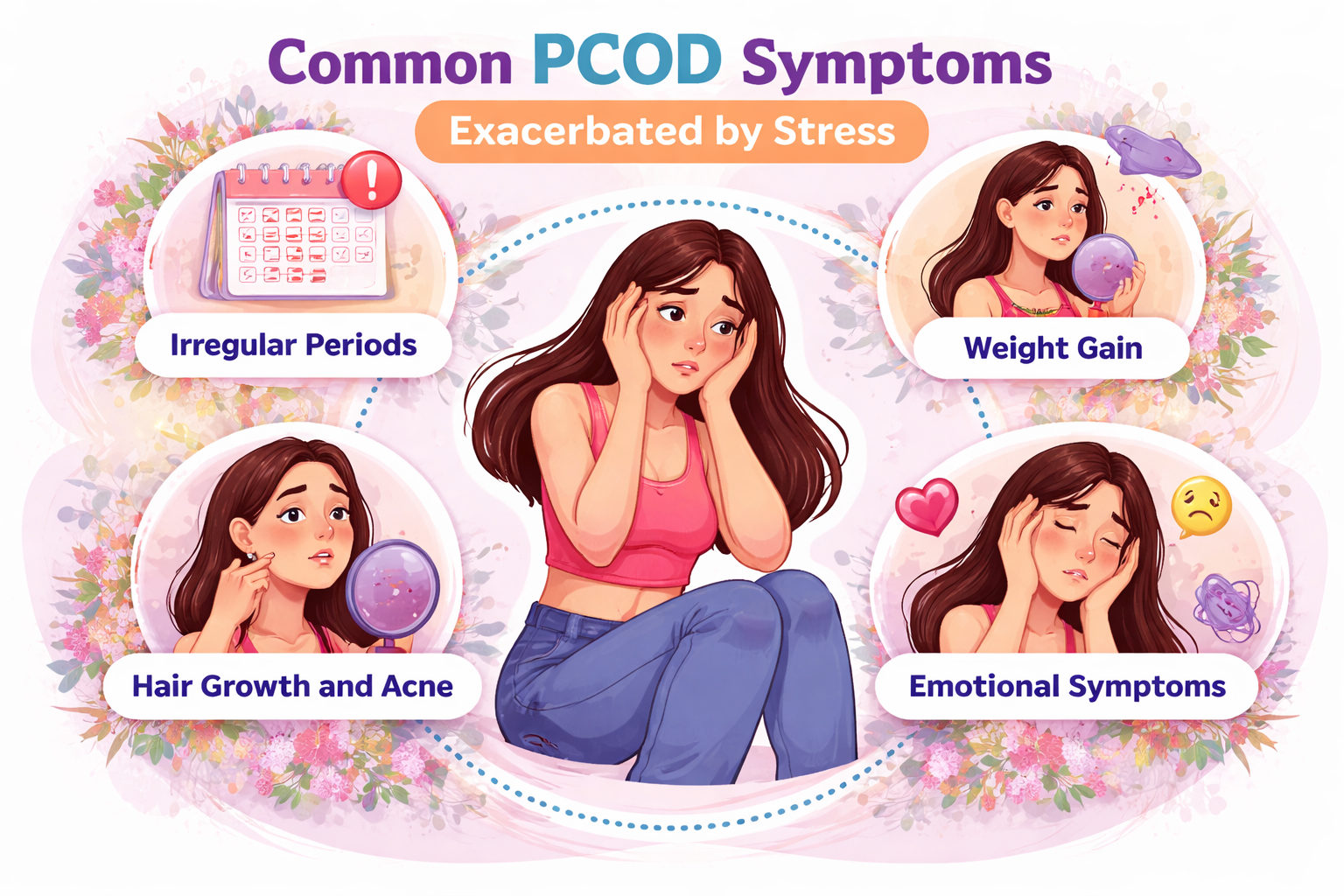
Common PCOD Symptoms Exacerbated by Stress
- Irregular Periods: Stress can make menstrual cycles even more
irregular. High cortisol levels can disrupt the regular functioning of the ovaries,
leading to missed or delayed periods.
- Weight Gain: Stress-induced cortisol production encourages fat
storage, especially around the abdomen. This makes weight management even more
difficult for women with PCOD, who are already prone to weight gain.
- Hair Growth and Acne: Stress can trigger or worsen excess hair
growth and acne due to hormonal imbalances caused by high levels of cortisol and
androgens (male hormones).
- Emotional Symptoms: Women with PCOD are often more susceptible to
emotional symptoms such as anxiety, depression, and mood swings. Stress can amplify
these emotional challenges, making it difficult to cope with the physical symptoms
of PCOD.
Psychological Effects of PCOD Symptoms
Beyond the physical symptoms, PCOD can have significant psychological effects. The visible
symptoms like acne and excessive hair growth can impact a woman’s self-esteem and body image. In
addition, the challenges with fertility can create emotional strain, leading to feelings of
inadequacy and frustration. The hormonal imbalances caused by stress can further worsen these
emotional effects, making it harder for women with PCOD to cope.
Managing the emotional side of PCOD is just as important as managing the physical symptoms.
Stress can exacerbate feelings of depression and anxiety, creating a vicious cycle that can
worsen both the psychological and physical symptoms.
Effective Ways to Cope with Stress and Manage PCOD Symptoms
- Regular Exercise: Physical activity can help reduce stress by releasing
endorphins, the body’s natural mood lifters. Exercise also helps regulate hormones, improve
insulin sensitivity, and promote weight loss, all of which are beneficial for managing PCOD.
- Healthy Diet: A balanced diet rich in fruits, vegetables, whole grains, and
lean proteins can help regulate blood sugar levels and promote overall well-being. Avoiding
processed foods and sugar can help reduce insulin resistance and manage PCOD symptoms.
- Mindfulness and Relaxation Techniques: Practices like yoga, meditation, and
deep breathing can help manage stress by calming the mind and reducing cortisol levels.
These techniques also help improve sleep quality, which is often disrupted by stress.
- Adequate Sleep: Stress can disrupt sleep patterns, which in turn can worsen
PCOD symptoms. Getting 7-8 hours of quality sleep each night helps regulate hormone
production and reduces stress levels.
- Cognitive Behavioral Therapy (CBT): For women struggling with emotional
distress caused by PCOD, therapy can be a helpful tool. CBT helps address negative thought
patterns and provides strategies to cope with the emotional impact of the condition.
Seeking Professional Help for Stress and PCOD
If stress is significantly affecting your PCOD symptoms, it’s important to seek professional
help. A healthcare provider specializing in endocrinology can help identify the best treatment
options for your condition. They may recommend medications to regulate hormone levels, improve
insulin sensitivity, or treat anxiety and depression.
In addition, counseling or therapy can be beneficial for managing the emotional and
psychological aspects of PCOD. A therapist can guide you through stress-management techniques
and help you develop healthier coping strategies.
At The Bombay Hospital, we offer expert consultation and
treatment for conditions like PCOD. Our
specialists in endocrinology, gynecology, and mental health are equipped to provide personalized
care for managing both the physical and emotional aspects of PCOD.
Consultation at The Bombay Hospital
For a comprehensive approach to managing PCOD, consult with our specialists at The Bombay Hospital, Mumbai. We provide expert care in a
range of specialties, including endocrinology, gynecology, and mental
health. To book an appointment or learn more about our
services, visit our website or contact us at the clinic’s location.
FAQs
While stress alone doesn’t cause PCOD, it can exacerbate the symptoms, including
hormonal imbalances, irregular periods, and weight gain.
Stress can interfere with the effectiveness of PCOD treatment by causing hormone
imbalances and making it harder to manage symptoms like weight gain and acne.
Yes, regular exercise is effective for reducing stress, improving insulin sensitivity,
and regulating hormones, all of which can help manage PCOD.
A healthy diet, regular exercise, mindfulness techniques, and adequate sleep are key to
managing both stress and PCOD symptoms.
Yes, if stress is significantly impacting your PCOD symptoms, it's important to consult
a doctor who can provide tailored treatment and stress-management strategies.
Conclusion
Stress plays a significant role in the progression of PCOD, affecting both the physical and
emotional well-being of women. By understanding the relationship between stress and PCOD, you can
take proactive steps to manage your symptoms. Through regular exercise, a healthy diet, and
stress-management techniques, you can alleviate the effects of stress and improve your quality of
life. Seeking professional help is essential for a comprehensive approach to managing PCOD. Don't
let stress control your life—take action today for better health tomorrow.