Are you feeling constantly stressed, anxious, or fatigued, despite your efforts to relax? You might be
dealing with high cortisol levels. Cortisol is a hormone produced by the adrenal glands that plays a
vital role in the body’s stress response, regulating metabolism, blood sugar levels, and inflammation.
However, when cortisol levels remain elevated for long periods, they can lead to various health issues,
including weight gain, sleep disturbances, and mood changes.
This blog will help you understand the causes and symptoms of high cortisol levels, so you can recognize
them early and take proactive steps to manage your health effectively. For expert guidance, the field of
Endocrinology plays a crucial role in
diagnosing and treating hormone imbalances, including cortisol-related issues.
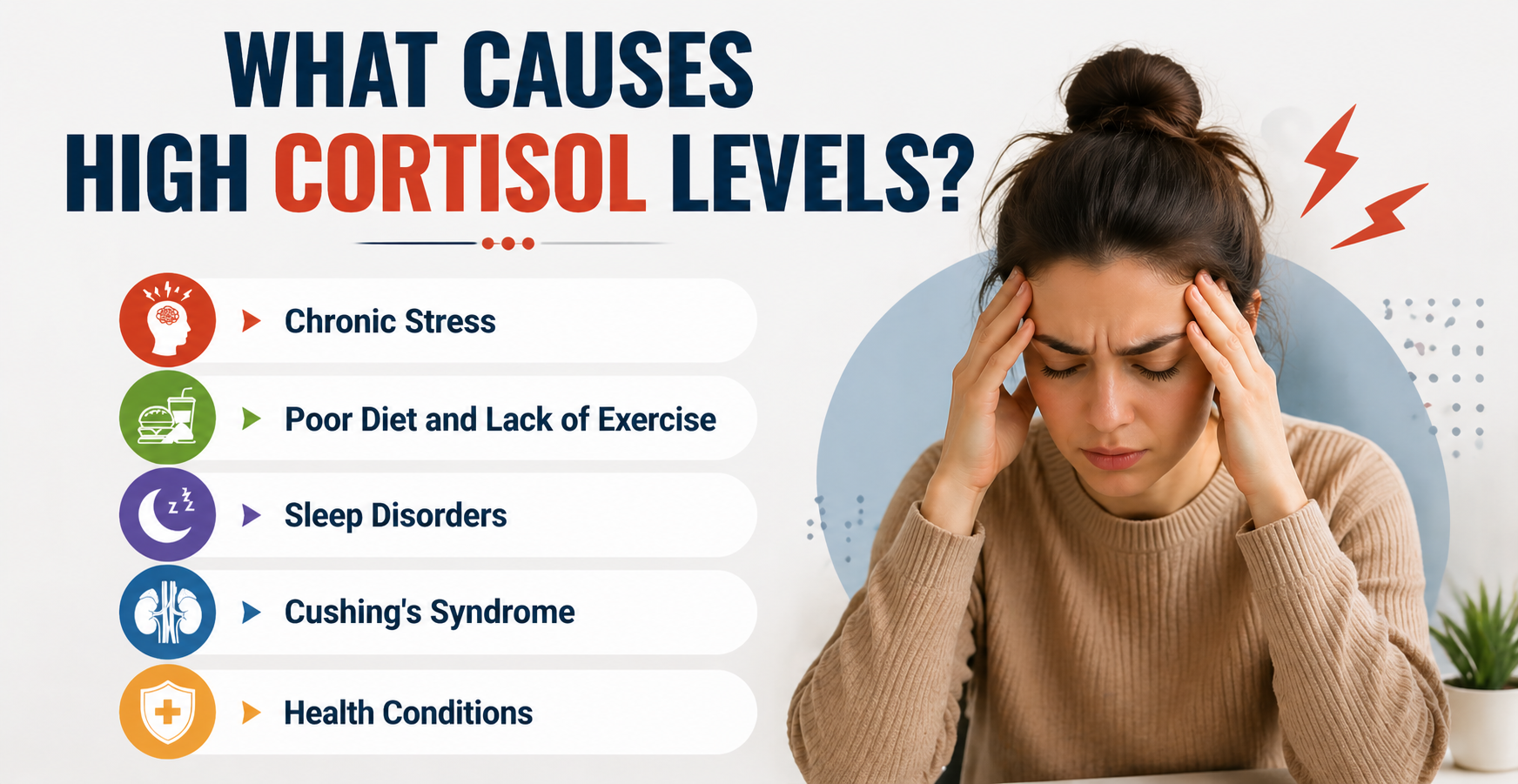
What Causes High Cortisol Levels?
Chronic Stress
The most common cause of high cortisol levels is chronic stress. Work pressure,
financial
troubles, personal struggles, and even prolonged exposure to social media can keep your
body in
a constant state of stress, leading to an overproduction of cortisol.
Poor Diet and Lack of Exercise
A diet high in sugar and unhealthy fats, combined with a sedentary lifestyle, can
trigger
elevated cortisol levels. High-fat and processed foods, in particular, can cause
inflammation
and imbalance in the body’s hormone regulation.
Sleep Disorders
Cortisol is crucial for regulating your sleep-wake cycle. If you experience poor-quality
sleep
or chronic sleep deprivation, it can cause a spike in cortisol levels, leading to
further
fatigue and stress.
Cushing's Syndrome
Cushing’s syndrome is a rare condition where prolonged exposure to high cortisol levels can
occur due to medications like corticosteroids or a tumor in the adrenal glands. It can have
serious long-term effects on your health.
Health Conditions
Conditions such as anxiety, depression, obesity, or polycystic ovary syndrome (PCOS) can disrupt
cortisol regulation, leading to higher than normal levels of this hormone. If you are
experiencing these conditions, consulting an Endocrinologist in
Mumbai can help you understand
how they may be affecting your cortisol levels and overall hormone balance.
Symptoms of High Cortisol Levels
Weight Gain
Elevated cortisol levels lead to fat accumulation around the abdominal area. This belly fat is
harder to burn and is associated with an increased risk of diabetes, heart disease, and high
blood pressure.
Sleep Disturbances
When cortisol levels remain high, it can interfere with your body’s ability to fall asleep or
maintain a restful sleep cycle. If you wake up feeling unrefreshed despite a full night of
sleep, high cortisol might be the culprit.
Mood Changes
Cortisol affects mood regulation. Persistent high cortisol levels can result in irritability,
anxiety, and depression. If you feel constantly on edge, this may be due to imbalanced cortisol
levels.
Fatigue
Even though high cortisol keeps your body in a constant state of alertness, it can also cause
fatigue. You may feel tired all the time, regardless of how much rest you get.
Weakened Immune System
Excess cortisol suppresses your immune system, making you more vulnerable to infections and
illnesses.
Managing High Cortisol Levels
Stress Management
Managing stress is crucial. Techniques like deep breathing exercises, meditation, and yoga can
help reduce cortisol levels and improve your overall sense of well-being. Regular mindfulness
practices have been proven to lower cortisol and enhance mood.
Exercise
Moderate exercise such as walking, swimming, or cycling can help regulate cortisol levels.
However, be cautious with intense workouts, as they can increase cortisol levels if done
excessively.
Healthy Diet
Focus on a balanced diet rich in whole foods, such as vegetables, fruits, lean proteins, and
whole grains. Avoid processed foods, excessive sugar, and caffeine to keep cortisol levels in
check.
Adequate Sleep
Aim for 7-9 hours of quality sleep per night. Create a relaxing bedtime routine and avoid
screens and caffeine before bed to help regulate cortisol production.
Therapy or Counseling
If stress, anxiety, or depression is contributing to high cortisol, speaking with a therapist or
counselor can help. Cognitive-behavioral therapy (CBT) is particularly effective in managing
stress and anxiety, reducing the impact of cortisol on the body.
For individuals experiencing symptoms of high cortisol, it is essential to seek medical
consultation. Bombay Hospital in Mumbai is renowned for
providing quality healthcare in multiple
specialties. The hospital’s expert team, including specialists in Endocrinology, Cardiology, and
Neurology, offers comprehensive care
for managing
conditions related to high cortisol levels.
FAQs on High Cortisol Levels
If you’re experiencing symptoms like unexplained weight gain, fatigue, or sleep issues,
it’s worth consulting a doctor for a cortisol test.
Chronic stress, poor sleep, and certain medical conditions can all trigger high cortisol
production.
Yes, excess cortisol can lead to mood swings, anxiety, and irritability.
Stress management, regular exercise, a balanced diet, and quality sleep are the best
natural ways to lower cortisol.
If you’re experiencing symptoms like persistent fatigue, unexplained weight gain, or
mood changes, a doctor can help assess your cortisol levels.
Conclusion
High cortisol levels can have a profound impact on your health. By recognizing the symptoms early,
adopting a healthier lifestyle, and managing stress effectively, you can keep cortisol levels in
check and avoid long-term health complications. If you're experiencing any of the signs mentioned
above, don't hesitate to consult a healthcare professional for guidance and support. Take control of
your health today for a better tomorrow.