Fruits for Diabetes: Healthy Choices, Portion Sizes, and Foods to Limit

Introduction

Many people with diabetes avoid fruits because they believe fruits may increase blood sugar levels. The truth is that most people with diabetes can include fruits as part of a balanced diet when they choose suitable options and control portions. Fruits provide fibre, vitamins, minerals, and antioxidants that support overall health. This guide explains which fruits are better choices for diabetes, which fruits require portion control, and how personalised nutrition advice can help manage blood sugar levels.

Can People With Diabetes Eat Fruits?

Yes, people with diabetes can eat fruits.

The focus should be on:

  • Choosing whole fruits instead of juices
  • Controlling portion sizes
  • Understanding carbohydrate content
  • Monitoring blood sugar response

Fruits such as mangoes, bananas, grapes, and chikoo are not completely forbidden but may require careful portion management depending on your blood sugar control.

A personalised plan from a diabetes specialist in mumbai can help you understand which fruits fit your health requirements.

How Do Fruits Affect Blood Sugar in Diabetes?

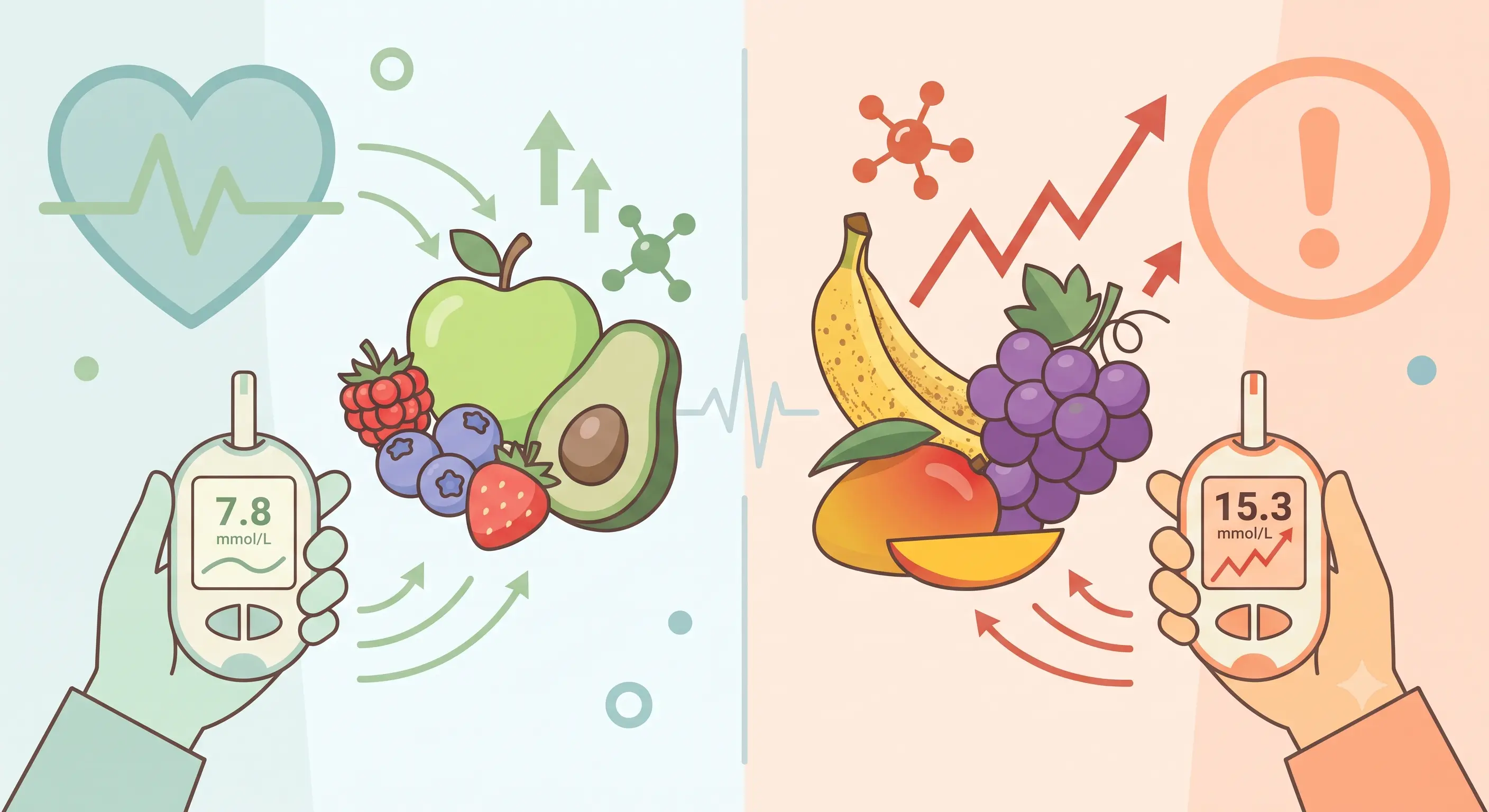
How fruits affect blood sugar levels in diabetes explained by a diabetologist in Mumbai

Fruits contain natural sugar called fructose, but they also provide fibre. Fibre slows digestion and may reduce the speed at which sugar enters the bloodstream.

The effect of a fruit depends on several factors:

  • Type of fruit
  • Portion size
  • Ripeness of the fruit
  • Overall meal pattern
  • Diabetes control
  • Physical activity level

The glycaemic index (GI) is one measure used to understand how quickly carbohydrates may raise blood glucose. Fruits with lower GI values generally cause a slower rise in blood sugar compared with high-GI foods. The GI alone does not decide whether a fruit is suitable. The quantity you eat and your overall diet pattern also matter.

A diabetes doctor evaluates these factors before recommending dietary changes.

Best Fruits for Diabetes

1. Apple

Apples are a popular choice for people managing diabetes because they contain fibre, especially when eaten with the skin.

The fibre content may help slow digestion and support better blood sugar management. A small or medium apple can be included as part of a balanced meal plan.

2. Guava

Guava contains fibre and vitamin C. It can be a suitable fruit option because it provides nutrients without adding excessive carbohydrates when eaten in the right quantity.

Eating whole guava is better than consuming guava juice because the fibre remains intact.

3. Berries

Strawberries, blueberries, and raspberries contain fibre and antioxidants. They are often preferred because they generally contain fewer carbohydrates compared with many sweeter fruits.

They can be added to meals such as unsweetened yoghurt or combined with nuts for a balanced snack.

4. Papaya

Papaya provides fibre, vitamins, and minerals. A controlled portion of papaya can be included in a diabetes-friendly eating plan.

5. Orange

Whole oranges contain fibre and water content, which can help with fullness. Eating the whole fruit is better than drinking orange juice because juice contains less fibre.

6. Pear

Pears provide fibre and can be included as part of a healthy diet when consumed in appropriate portions.

Fruits to Eat in Moderation When You Have Diabetes

Some fruits contain higher amounts of natural carbohydrates. This does not mean you must completely avoid them. Portion size and blood sugar monitoring are important.

  • Mango: Mango is one of the most common concerns among people with diabetes, especially during summer. Mango contains natural sugar, so eating large portions may increase blood glucose levels. A small portion may be included for some people depending on their diabetes control.
  • Banana: Bananas provide potassium and energy but contain carbohydrates that can affect blood sugar. The portion size, ripeness, and timing of consumption matter. Your healthcare provider can guide you based on your individual needs.
  • Grapes: Grapes are small and easy to overeat. Eating a measured portion can help prevent excessive carbohydrate intake.
  • Chikoo (Sapota): Chikoo contains natural sugar and carbohydrates. People with diabetes should consume it carefully and consider their overall meal plan.

A Diabetes dietitian in Mumbai can help create a practical fruit plan based on your glucose levels, food preferences, and lifestyle.

Fruits and Foods to Limit in Diabetes

Instead of focusing only on avoiding specific fruits, it is important to understand which forms of fruit may affect blood sugar more quickly.

  • Fruit Juices: Fruit juices often contain concentrated sugar and less fibre compared with whole fruits. For example, eating an orange provides fibre, while drinking orange juice may deliver sugar faster without the same fibre benefit.
  • Packaged or Canned Fruits With Added Sugar: Fruits stored in sugar syrup contain added sugars and may not be suitable for regular consumption.
  • Large Portions of Dried Fruits: Dates, raisins, and other dried fruits contain concentrated natural sugars because most water content is removed. Small quantities may sometimes fit into a meal plan, but portion control is important.

How Much Fruit Can a Person Eat With Diabetes?

There is no single fruit quantity that works for everyone with diabetes.

Your ideal fruit intake depends on:

  • Blood glucose levels
  • HbA1c results
  • Medications
  • Activity level
  • Weight goals
  • Other health conditions

For example, a person with controlled diabetes and regular physical activity may have different dietary needs compared with someone experiencing frequent sugar fluctuations.

A diabetology doctor in Mumbai can review your health information and guide you towards suitable food choices.

Common Mistakes People Make While Eating Fruits With Diabetes

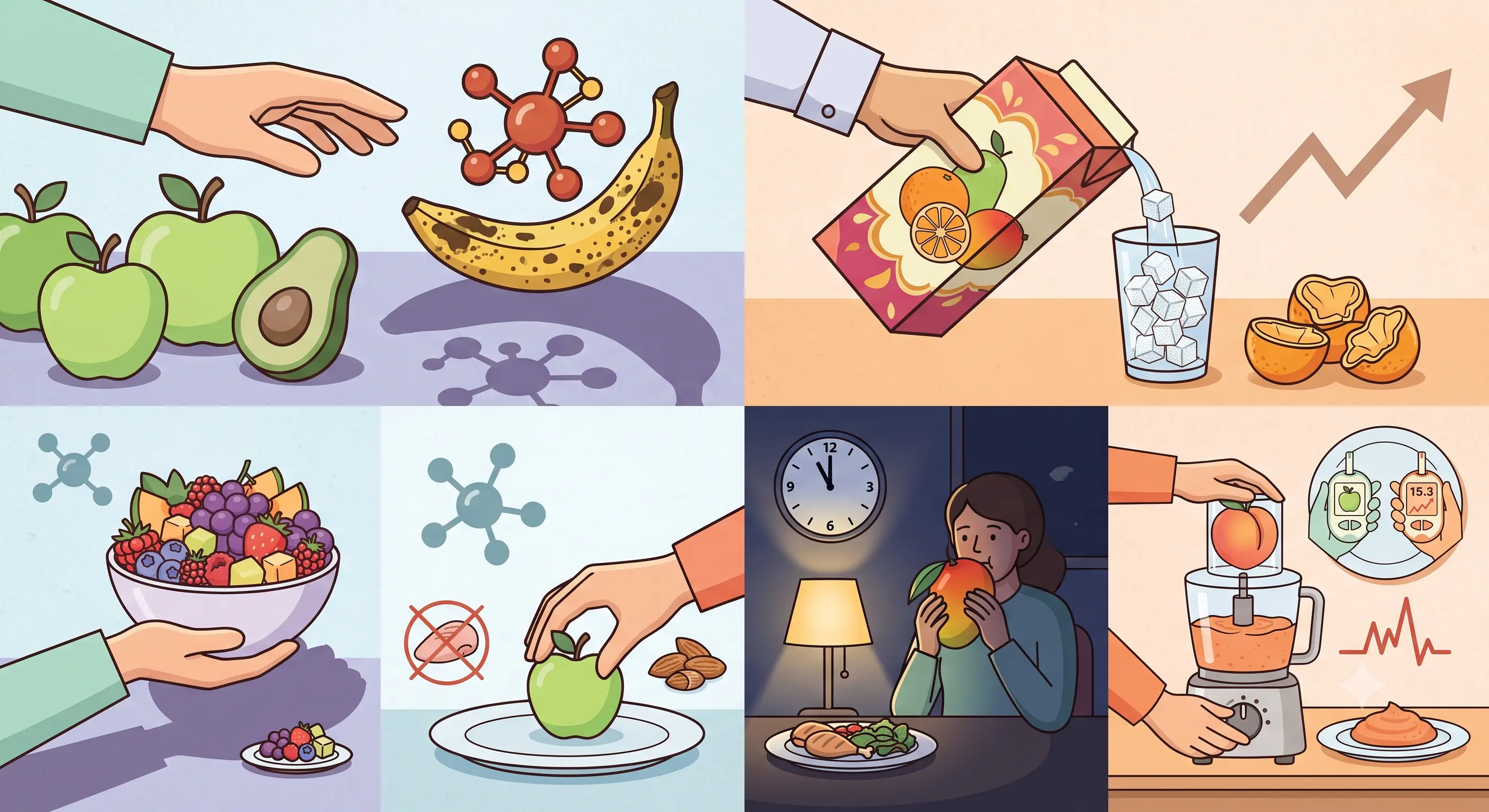
Common mistakes while eating fruits with diabetes explained by a diabetes specialist in Mumbai
  • Replacing Meals With Fruits: Fruits provide nutrients but do not replace a complete balanced meal containing protein, healthy fats, and other essential nutrients.
  • Drinking Fruit Instead of Eating It: Whole fruits generally provide more fibre compared with juices.
  • Eating Large Portions Because Fruits Are Healthy: Healthy foods can still affect blood sugar when eaten in excess.
  • Ignoring Personal Blood Sugar Response: Two people may respond differently to the same fruit. Monitoring your glucose can help understand your body's response.

Diabetes Nutrition Care at Bombay Hospital

Managing diabetes involves more than avoiding sugar. It requires a complete approach that includes medical evaluation, nutrition planning, medication review, and lifestyle guidance.

At Bombay Hospital, diabetes care focuses on personalised assessment and long-term management. Patients receive guidance based on their health condition, glucose levels, and lifestyle requirements. Consulting an experienced diabetologist in Mumbai can help you make informed decisions about your food choices while maintaining better blood sugar control.

Consultation for Personalised Diabetes Diet Planning

Every person with diabetes has different nutritional needs. Factors such as age, activity level, medication, and blood sugar patterns influence which foods are most suitable.

A qualified dietitian in Mumbai can help you create a realistic meal plan that includes healthy foods while supporting your diabetes goals. Nutrition expert helps you understand how food choices affect your health and how to manage diabetes in daily life.

FAQs

Yes, many people with diabetes can include fruits daily. The type of fruit, portion size, and overall diet pattern should be considered.

Fruits such as apples, guava, berries, papaya, oranges, and pears are commonly included in diabetes-friendly diets when eaten in suitable portions.

Yes, some people with diabetes may eat mango in controlled portions. The amount depends on blood sugar control and individual dietary requirements.

Banana is not completely avoided in diabetes. Portion size and ripeness should be considered because bananas contain carbohydrates.

Whole fruits are usually a better choice because they contain fibre. Fruit juices may raise blood sugar faster due to concentrated sugar content.

Conclusion

Fruits can be a part of a healthy diabetes management plan when chosen carefully and eaten in appropriate portions. Instead of completely avoiding fruits, focus on understanding their nutritional value and how they affect your blood sugar. A personalised approach from an experienced diabetes specialist in mumbai can help you make better food decisions and maintain long-term health. With the right guidance, you can enjoy a balanced diet while managing diabetes effectively.

Send us a message

Have any questions? We are ready to help.

List of Consultants

Shishir Kumar

Dr. Shishir Kumar

MBDA (Lond), DTMAH (Liverpool)

Diabetologist

A. Gokani

Dr. A. Gokani

MD

Diabetologist

Rahul Baxi

Dr. Rahul Baxi

MD

Diabetologist

Book Appointment Book Appointment