How Can Cardiovascular Disease Be Managed in People with Diabetes?

Introduction

Many people with diabetes focus mainly on controlling blood sugar levels but often overlook their heart health. Long-term high blood sugar can affect blood vessels and increase the risk of cardiovascular problems such as heart attack, stroke, and artery disease. Early identification of risk factors and proper management can help protect your heart. A planned approach involving blood sugar control, healthy lifestyle changes, regular screening, and specialist care plays an important role in reducing heart-related complications.

This blog explains how cardiovascular disease is managed in people with diabetes, which warning signs you should know, and how expert guidance from a diabetology specialist can support long-term health.

Why Does Diabetes Increase the Risk of Cardiovascular Disease?

People with diabetes have a higher chance of developing cardiovascular problems because elevated blood glucose levels can gradually damage blood vessels.

When blood sugar remains high for a long period, it can:

  • Damage the inner lining of blood vessels
  • Increase inflammation in the body
  • Affect cholesterol levels
  • Promote the buildup of fatty deposits inside arteries
  • Increase the chances of blood pressure-related complications

Diabetes often occurs along with other conditions such as high blood pressure, high cholesterol, and obesity, which can further increase heart disease risk.

How Does Diabetes Affect Your Heart?

Diabetes affects heart health in several ways. High glucose levels can make arteries less flexible and contribute to a condition called atherosclerosis, where plaque builds up inside blood vessels.

Insulin resistance, which is common in type 2 diabetes, may also affect how your body processes fats and cholesterol. This can lead to higher levels of harmful cholesterol and increase the workload on your heart. People with diabetes may also experience heart problems without obvious symptoms. This makes regular monitoring and preventive care important, even when you feel healthy.

What Are the Warning Signs of Heart Problems in Diabetes?

Some people with diabetes may have fewer noticeable symptoms of heart disease. You should consult a healthcare professional if you experience:

  • Chest pain, pressure, or discomfort
  • Shortness of breath during normal activities
  • Unusual tiredness or weakness
  • Dizziness or fainting episodes
  • Pain spreading to the arm, jaw, shoulder, or back
  • Excessive sweating without an obvious reason

If you notice these symptoms, timely medical evaluation can help identify the cause and prevent serious complications.

How Is Cardiovascular Disease Managed in People with Diabetes?

Know How to manage Cardiovascular Disease with Diabetes at Bombay Hospital Mumbai

Management depends on your blood sugar levels, heart health, medical history, and existing risk factors. A personalized approach helps address both diabetes control and cardiovascular protection.

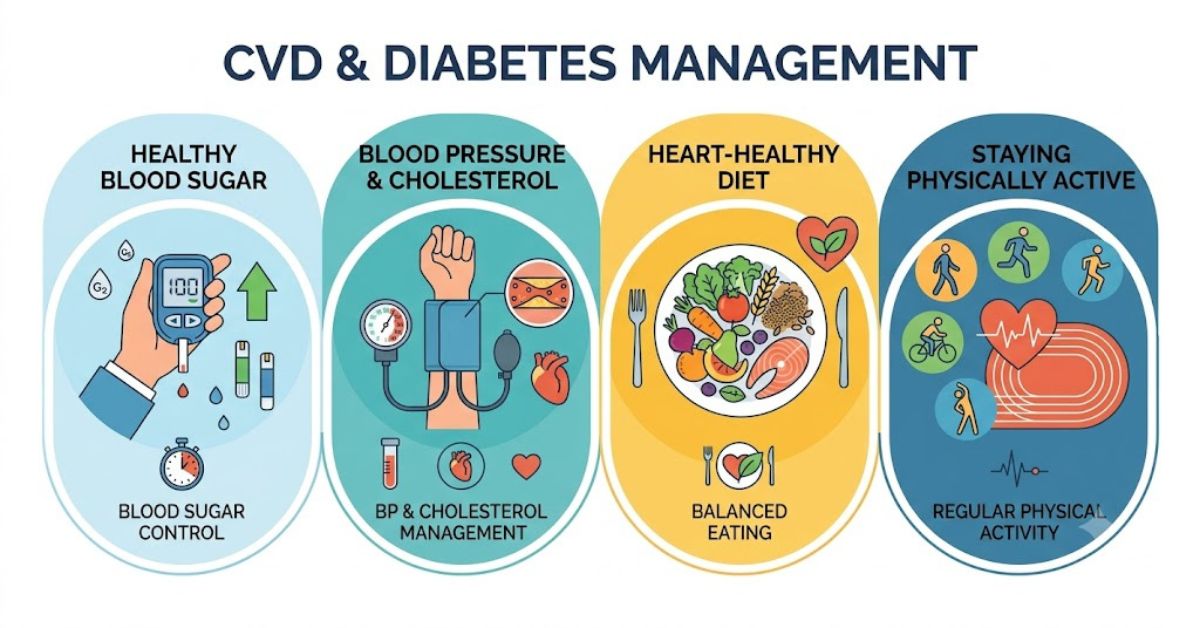
1. Maintaining Healthy Blood Sugar Levels

Good glucose control is one of the key steps in reducing diabetes-related complications. Your doctor may recommend:

  • Regular HbA1c monitoring
  • Diabetes medicines based on your condition
  • Lifestyle modifications
  • Periodic health evaluations

A diabetes doctor Mumbai can assess your current diabetes management plan and suggest changes if required to improve long-term outcomes.

2. Managing Blood Pressure and Cholesterol

High blood pressure and unhealthy cholesterol levels can increase strain on the heart. Doctors may recommend:

  • Regular blood pressure monitoring
  • Cholesterol testing
  • Medicines when required
  • Dietary and lifestyle improvements

Keeping these factors under control reduces the chances of developing serious cardiovascular complications.

3. Following a Heart-Healthy Diet

Nutrition plays an important role in diabetes and heart care. A balanced eating plan may include:

  • Vegetables and fibre-rich foods
  • Whole grains
  • Lean protein sources
  • Healthy fats in appropriate amounts
  • Reduced intake of processed foods and excess sugar

An expert Diabetes dietitian in Mumbai can help create a personalized meal plan that supports blood sugar control and heart health according to your lifestyle.

4. Staying Physically Active

Regular physical activity helps improve insulin sensitivity, maintain healthy body weight, and support heart function.

Depending on your health condition, your doctor may suggest activities such as:

  • Walking
  • Cycling
  • Swimming
  • Strength exercises

Your exercise routine should be planned according to your age, fitness level, and medical conditions.

Which Tests Help Monitor Heart Health in People with Diabetes?

Regular screening helps identify cardiovascular risks before major complications develop. Your doctor may recommend:

Blood Tests

  • HbA1c test for average blood sugar control
  • Lipid profile for cholesterol levels
  • Kidney function tests

Heart Evaluations

Depending on your symptoms and risk profile, your doctor may suggest:

  • ECG
  • Echocardiogram
  • Stress test
  • Other cardiac evaluations when required

Early assessment allows doctors to create a suitable prevention and treatment plan.

Role of Diabetologist and Cardiologist in Heart Care

Managing diabetes-related heart risks often requires expert medical guidance. A diabetologist in Mumbai focuses on diabetes control, prevention of complications, and personalised treatment planning.

For patients with heart-related symptoms or increased cardiovascular risk, consultation with a cardiologist in Mumbai can help evaluate heart function, blood pressure, cholesterol levels, and other cardiac concerns. A heart specialist in mumbai can provide appropriate evaluation and treatment for conditions affecting the heart and blood vessels, especially when diabetes increases cardiovascular risk. People looking for specialised diabetes care can consult experienced specialists at a trusted diabetology hospital in Mumbai, where diabetes management and complication prevention are addressed together.

How Can You Reduce Your Risk of Heart Disease with Diabetes?

Along with medical care, daily habits play an important role in protecting your heart.

You can support your heart health by:

  • Taking medicines as prescribed
  • Monitoring blood sugar regularly
  • Maintaining a healthy weight
  • Avoiding smoking
  • Managing stress
  • Getting regular health checkups
  • Following a balanced diet

Small but consistent changes can make diabetes management more effective.

Consultation for Diabetes and Cardiovascular Risk Management

If you have diabetes and want to understand your risk of heart disease, a specialist consultation can help identify important health factors. During evaluation, doctors review your blood sugar records, blood pressure, cholesterol levels, lifestyle habits, family history, and existing medical conditions.

A consultation with a top diabetologist Mumbai can help you understand personalised strategies for diabetes control and prevention of heart-related complications. Many patients also seek guidance from specialists listed among the top 10 diabetologist Mumbai for comprehensive diabetes care.

FAQs

Diabetes can damage blood vessels over time and increase the risk of high blood pressure, cholesterol problems, and artery blockage.

Good diabetes management can reduce cardiovascular risk. Maintaining healthy blood sugar levels, following a balanced diet, exercising regularly, and taking prescribed medicines can support heart health.

The frequency depends on your age, duration of diabetes, symptoms, and other risk factors. Your doctor can recommend appropriate screening based on your condition.

Not everyone with diabetes requires regular cardiology visits. People with heart symptoms, abnormal test results, or higher cardiovascular risk may benefit from consultation with a cardiologist.

Yes. A suitable diet can help manage blood sugar, cholesterol, and body weight. A personalized plan from a qualified nutrition expert can support better diabetes and heart management.

Conclusion

Cardiovascular disease management in people with diabetes requires continuous monitoring, healthy lifestyle choices, and timely medical support. Controlling blood sugar, managing blood pressure and cholesterol, and identifying heart risks early can help prevent serious complications. Consulting experienced diabetes specialists and following a personalised care plan can help you protect your heart while effectively managing diabetes.

Send us a message

Have any questions? We are ready to help.

List of Consultants

Shishir Kumar

Dr. Shishir Kumar

MBDA (Lond), DTMAH (Liverpool)

Diabetologist

A. Gokani

Dr. A. Gokani

MD

Diabetologist

Rahul Baxi

Dr. Rahul Baxi

MD

Diabetologist

Book Appointment Book Appointment