Baby Vaccination
Your baby’s immune system is still developing during the first few years of life. This makes infants
more vulnerable to infections such as measles, hepatitis B, pneumonia, polio, and whooping cough. Timely
vaccination helps protect your child before these illnesses become serious.
Many parents often feel confused about which vaccines are needed and when each dose should be given.
Understanding the baby vaccination schedule can help you stay prepared and avoid missing important
doses. If you are looking for expert guidance in Pediatrics, consulting an experienced Pediatrician in Mumbai
or a trusted child
specialist in Mumbai can help you make informed decisions for your child’s health.
At Bombay Hospital Mumbai, parents receive access to advanced
pediatric care, vaccination counselling,
preventive healthcare services, and specialist consultations for infants and children.
Why Is Baby Vaccination Important?
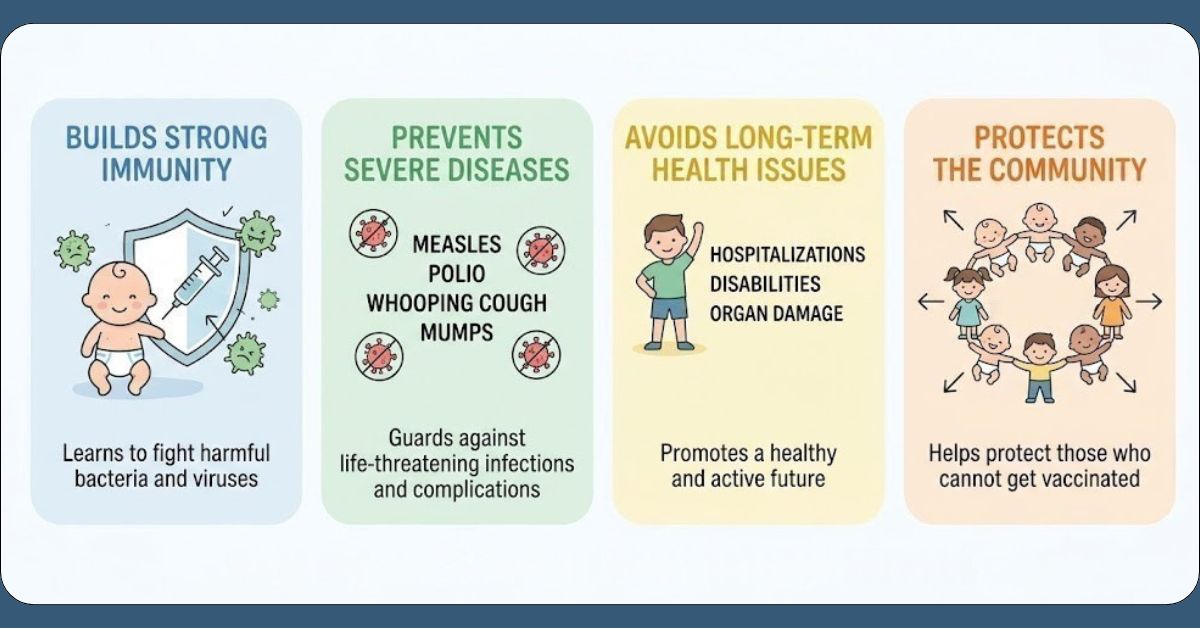
Baby vaccination protects infants from diseases that can affect growth, brain development,
breathing, and overall health. Vaccines train your baby’s immune system to fight infections
safely and effectively.
Some vaccine-preventable diseases may lead
to:
- Severe lung infections
- Brain infections
- Paralysis
- Liver disease
- Hearing loss
- Long-term complications
For example, rotavirus infection can cause severe diarrhoea and dehydration in
babies. Measles
may lead to pneumonia and brain inflammation. Polio can permanently affect movement and muscle
strength. Following the correct infant immunisation schedule lowers these risks and helps your
baby grow safely.
Which Vaccines Are Given at Birth?
Your newborn receives the first set of vaccines soon after delivery. These vaccines offer early
protection during the most sensitive stage of life.
Vaccines Given at Birth
| Age |
Vaccines |
| Birth |
BCG, OPV, Hepatitis B |
What Do These Vaccines Protect Against?
- BCG vaccine helps protect against severe tuberculosis
- OPV protects against polio
- Hepatitis B vaccine lowers the risk of liver infection
Most hospitals recommend completing these vaccines before discharge.
What Is the Vaccination Schedule for Babies at 6, 10, and 14
Weeks?
The first few months are important because babies are highly vulnerable to infections during
this stage.
Vaccination Schedule for Infants
| Age |
Recommended Vaccines |
| 6 Weeks |
DTP, IPV, Hib, Rotavirus, PCV |
| 10 Weeks |
Second doses of DTP, IPV, Hib, Rotavirus, PCV |
| 14 Weeks |
Third doses and booster protection |
Diseases Covered During This Stage
These vaccines help protect against:
- Diphtheria
- Tetanus
- Whooping cough
- Polio
- Pneumonia
- Meningitis
- Severe diarrhoea
Many parents prefer combination vaccines because they reduce the number of injections during
each visit.
Which Vaccines Are Given Between 6 Months and 2 Years?
As babies become more active, they come into contact with more people and environments. This
increases exposure to infections.
Vaccines Between 6 Months to 12 Months
| Age |
Vaccines |
| 6 Months |
Influenza vaccine |
| 9 Months |
Measles, MMR |
| 12 Months |
Hepatitis A, Chickenpox |
Vaccines Between 15 Months to 24 Months
| Age |
Vaccines |
| 15-18 Months |
DTP Booster, IPV Booster, MMR Booster |
| 18-24 Months |
Typhoid vaccine |
Booster doses strengthen immunity and improve long-term protection.
What Happens If Your Baby Misses a Vaccine?
Many parents panic after missing a vaccine appointment. In most cases, your child can still
continue vaccination through a catch-up schedule.
Doctors usually recommend:
- Booking the missed dose as early as possible
- Continuing remaining doses without restarting the entire series
- Consulting a Pediatrician in Mumbai for updated guidance
Avoid delaying vaccines for long periods because gaps in immunisation may increase infection
risk.
Are Optional Vaccines Important for Babies?
Some vaccines are strongly recommended even though they may not be part of every national
immunisation program.
Common Optional Vaccines
- Influenza vaccine
- Chickenpox vaccine
- Typhoid conjugate vaccine
- Hepatitis A vaccine
- Meningococcal vaccine
A child specialist in Mumbai may recommend optional
vaccines depending on your child’s health
condition, travel plans, school exposure, and risk factors.
What Are the Common Side Effects After Vaccination?
Most babies develop mild and temporary symptoms after vaccination. These reactions usually
improve within one or two days.
Common Side Effects
- Mild fever
- Pain at injection site
- Swelling or redness
- Fussiness
- Sleepiness
Tips for Parents After Vaccination
- Continue regular feeding
- Keep your baby hydrated
- Use a cold compress for swelling
- Follow medicine advice given by your doctor
Contact your doctor immediately if your baby develops breathing difficulty, persistent high
fever, unusual crying, or severe allergic reactions.
How Can Parents Prepare for Vaccination Visits?
Vaccination appointments become easier when parents stay organised.
Practical Tips for Parents
Keep a Vaccination Record
Maintain your baby’s immunisation card carefully. It helps track all upcoming doses.
Follow Appointment Dates
Set reminders for future vaccinations to avoid delays.
Ask Questions Freely
Speak openly with your doctor about vaccine safety, side effects, and optional vaccines.
Comfort Your Baby
Holding, feeding, or calming your baby before vaccination may reduce stress.
Parents can contact the hospital directly to book
appointments and receive guidance regarding
baby vaccination schedules and paediatric healthcare services.
FAQs about Baby Vaccination in Mumbai
All newborn vaccines are important because each protects against different serious
infections such as tuberculosis, polio, and hepatitis B.
Yes. Doctors often give combination vaccines safely during the same visit to reduce the
number of injections.
Yes. Mild fever after vaccination is common and usually improves within 24 to 48 hours.
Consult your doctor as early as possible for a catch-up vaccination schedule.
Most premature babies receive vaccines according to their actual birth age unless the
doctor advises changes.
Conclusion
Following the correct baby vaccination schedule protects your child from serious infections during
the early stages of life. Timely immunisation supports healthy growth, stronger immunity, and safer
development. Staying informed about vaccine schedules, booster doses, and optional vaccines can help
parents make better healthcare decisions for their children. Consulting an experienced Pediatrician
in Mumbai or visiting Bombay Hospital Mumbai for Pediatrics care and vaccination guidance can help
ensure your baby receives the right protection at the right time.