Does your parent repeat questions, forget recent conversations or struggle with familiar tasks? These changes may be more than normal ageing. Dementia affects memory, thinking, behaviour and daily life. Alzheimer’s disease is its most common cause, but the terms are not interchangeable. This guide covers symptoms, diagnosis, treatment, lifestyle measures and family support.
Dementia is an umbrella term for conditions that cause decline in memory, thinking, behaviour and daily functioning. It is a syndrome. Alzheimer’s disease, vascular dementia and Lewy body dementia are among its causes. Alzheimer’s is the most common cause of dementia, accounting for about 60–70% of cases.
Alzheimer’s is a progressive brain disorder. Abnormal proteins called amyloid and tau build up and damage brain cells. Not all dementia is Alzheimer’s - the terms are related but not interchangeable. Alzheimer’s may begin as mild cognitive impairment and later progress to dementia. This distinction helps doctors select the right care plan.
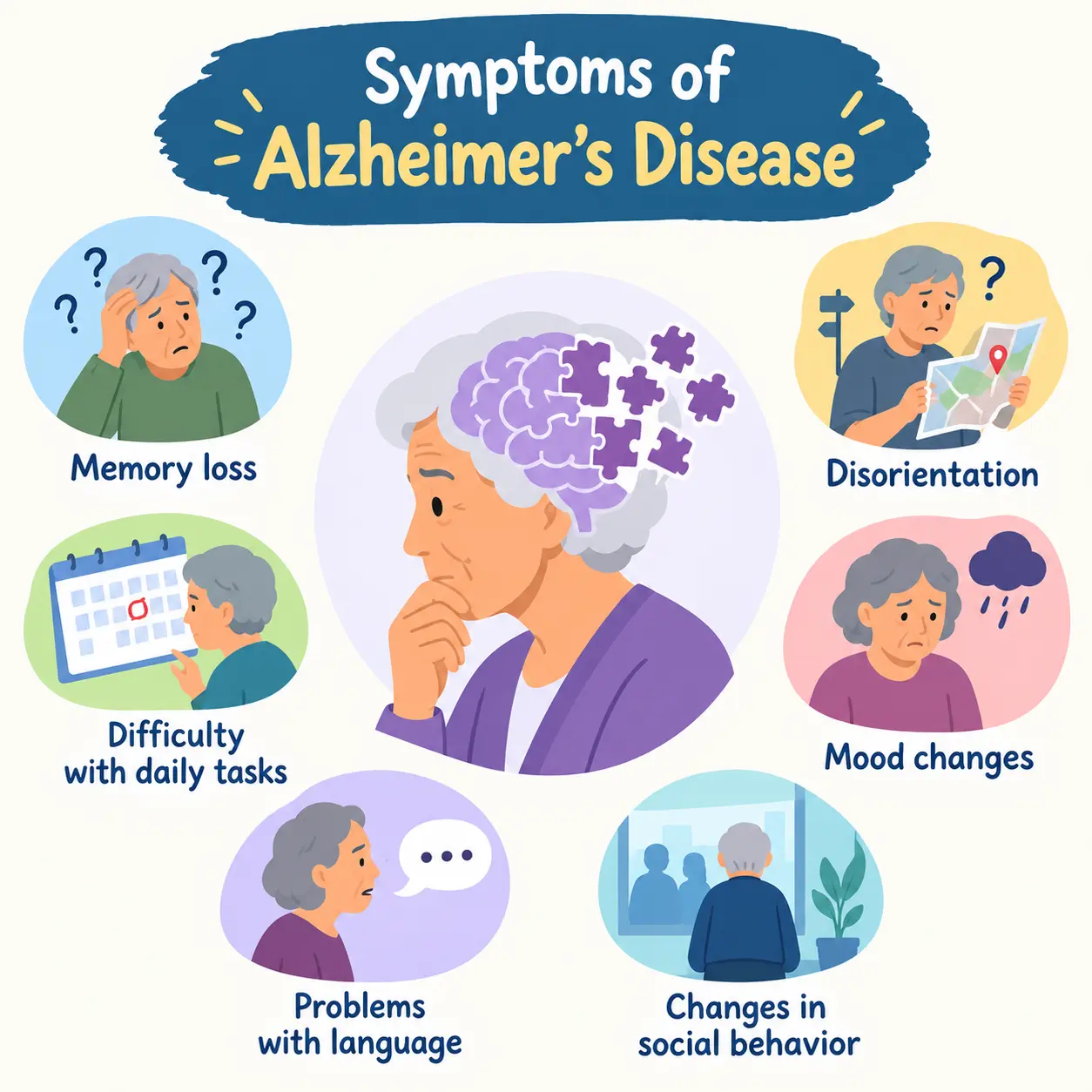
Alzheimer’s gradually affects several areas of thinking and daily life:
Occasional forgetfulness alone does not confirm dementia. Concern increases when symptoms persist, worsen or affect independence or safety. Getting lost, missing payments or leaving a cooker unattended warrants assessment. Sudden confusion needs prompt medical attention because stroke, infection, low blood sugar or another urgent condition may be responsible.
A neurologist takes a history from the person and, when possible, a family member. The consultation reviews symptom onset, sleep, mood, medicines, medical illnesses and daily tasks. Cognitive tests assess memory, attention, language and problem-solving.
Blood tests may identify thyroid disease or vitamin deficiencies. MRI or CT scans can show stroke, bleeding, hydrocephalus or other structural problems. Selected cases need cerebrospinal fluid testing or amyloid PET imaging. A scan alone does not establish the diagnosis.
Early diagnosis supports care planning, safety decisions, treatment of other illnesses and access to support.
No treatment reverses Alzheimer’s disease, but suitable care can preserve function, reduce distress and support independence. Cholinesterase inhibitors such as donepezil, rivastigmine or galantamine may help people with mild to moderate Alzheimer’s disease. Memantine may be considered for moderate to severe disease. Doctors select medicines after reviewing health conditions, drug interactions and side effects.
Recent years have brought anti-amyloid medicines such as lecanemab and donanemab. These monoclonal antibodies help remove amyloid plaques and may slow progression in selected people with confirmed early Alzheimer’s disease, including mild cognitive impairment or mild dementia. They are not cures and do not restore lost memory. Treatment involves repeated intravenous infusions, high costs and close MRI monitoring.
These medicines can cause amyloid-related imaging abnormalities, known as ARIA, involving brain swelling or small brain bleeds. Doctors review MRI findings, blood-thinning medicines and bleeding risk. Regular MRI scans help detect problems early. Access and experience may vary in India, with much evidence from international trials. Medicines do not replace daily support. Keep routines predictable, improve lighting, remove trip hazards and supervise cooking or medicines. Treat hearing and vision problems. Calm reassurance often works better than arguing.
Lifestyle factors may reduce risk or delay cognitive decline. Proper restorative sleep supports brain processes that clear amyloid. Keep a regular sleep schedule and seek help for loud snoring or breathing pauses. Regular walking, yoga or aerobic activity supports fitness and brain blood flow.
Social engagement can reduce isolation. Reading, puzzles, music and learning new skills after retirement keep the brain active. A balanced diet with vegetables, fruit, whole grains, pulses, nuts, fish and healthy fats is linked with lower risk.
Control blood pressure, diabetes and cholesterol. Avoid tobacco, limit alcohol and maintain a healthy weight.
Arrange a consultation when memory or behaviour changes last several weeks, worsen over time or interfere with daily activities. Before the appointment, note examples, the symptom timeline, medicines and previous illnesses. If you are looking for the best neurologist Mumbai, check the doctor’s training, experience with memory disorders, hospital support and access to investigations. Searches for top neurologists in Mumbai may provide names, but your final choice should match the patient’s needs. A specialist can explain suitable Neurology treatment after an individual assessment.
Dementia describes a decline caused by several brain conditions, while Alzheimer’s disease is its most common cause. Persistent changes in memory, language, planning, orientation, mood or daily activities deserve attention. Early assessment can identify treatable contributors and guide medicines, lifestyle care, safety planning and caregiver support. Speak with a qualified neurologist so your family can make informed decisions and help the person maintain the best possible quality of life.
Have any questions? We are ready to help.
MD (Bombay), FAMS (India), MRCP (UK), FRCP (London), FRCP NEUROLOGY (Canada), DIPLOMATE AMERICAN BOARD OF NEUROLOGY & PSYCHIATRY
Neurologist
DM (AIIMS, New Delhi) Epilepsy Training: King's College Hospital, London
Neurologist
MD, DNB (Paediatrics), DM (Neurology) Fellowship in Child Neurology (Mumbai)
Neurologist
MD Medicine, DM Neurology ( Gold Medalist)
Neurologist